Long-haul kit
Long-haul flight essentials
The short list that measurably improves a long flight, plus what to keep at your feet.
Top pick: Trtl Travel Pillow
Pillows, adapters, power banks and the rest of the long-haul kit - chosen for people who fly long, not for people who photograph luggage.
Travel essentials lists are usually where affiliate sites go to pad. You know the format: forty items, no order, every one of them linked, nothing said about which three actually matter. This section is built the other way round. There are four things that measurably change a long flight - what you sleep on, what you wear on your legs, whether your devices stay charged, and whether your plugs fit - and everything else is preference.
So there is a page per audience and a page per category, and each one tells you what to skip. A neck pillow is a real upgrade for a side sleeper and close to useless for someone who sleeps upright; that distinction does more for you than another twenty product links would.
A two-hour domestic hop needs almost none of this. The gear becomes worth carrying somewhere around the five-to-six hour mark, and becomes genuinely important past ten, when dehydration, cabin noise and the inability to sleep start compounding. Long-haul flight essentials is the page organized around that trip specifically, including what to keep in the seat pocket versus the overhead bin.
The other real difference is the bag. On a long flight everything you will want during the flight has to live in your under-seat bag, because the overhead bin is effectively sealed once the lights go down. That makes the personal item bag part of your comfort kit, not just part of your luggage.
The travel essentials for women and travel essentials for men pages exist because the searches exist and the answers genuinely differ - in bag sizing and strap design, in what goes into the toiletry kit, and in which comfort items get used. They are not a single list with the photos swapped, and if they ever read that way we have written them badly.
Long-haul kit
The short list that measurably improves a long flight, plus what to keep at your feet.
Top pick: Trtl Travel Pillow
Best travel pillow
Travel pillows sorted by sleeping position: side, forward and upright all need different support.
Top pick: Trtl Travel Pillow
Best compression socks
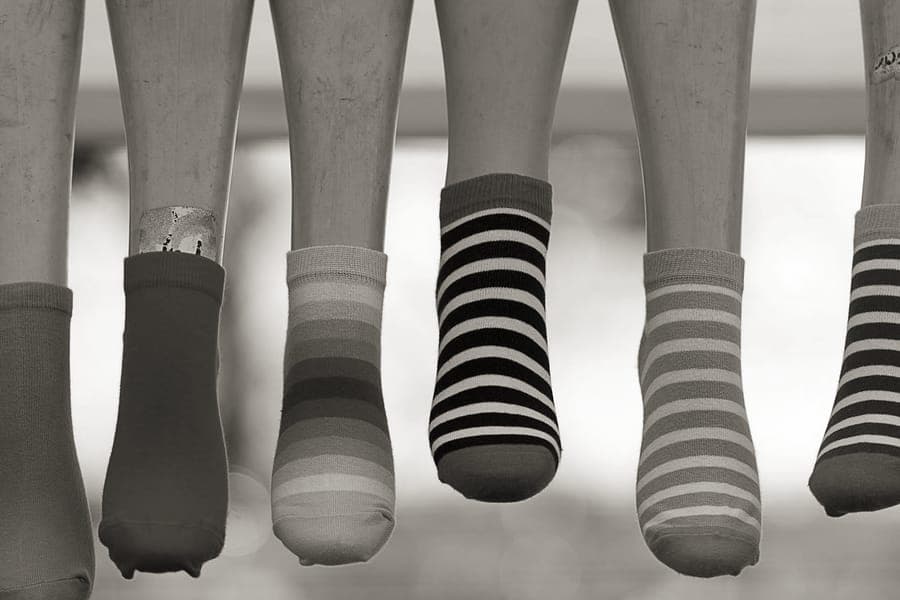
Compression socks for long flights, chosen on fit, calf width and compression level.
Top pick: Comrad Compression Socks (15-20 mmHg)
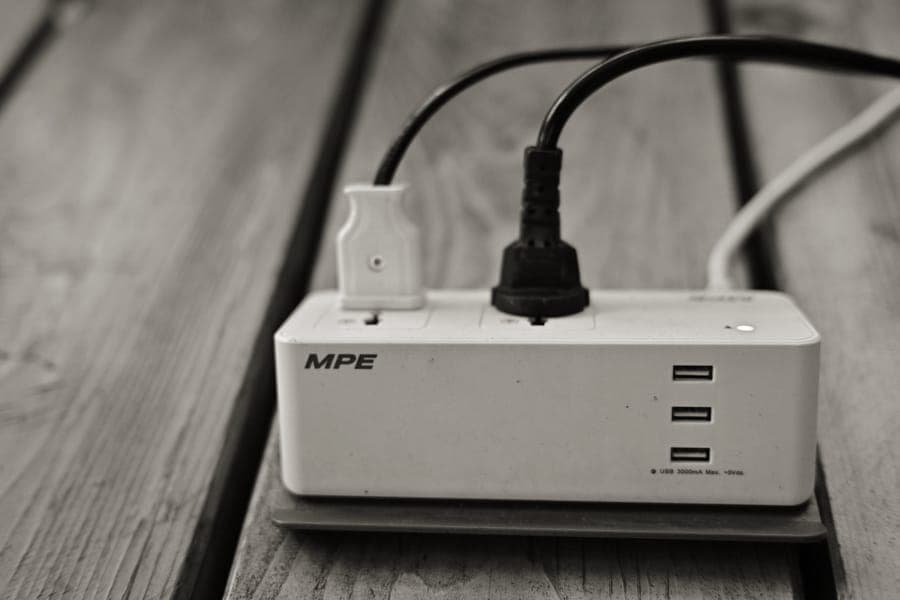
Best travel adapter
Travel plug adapters for Europe and worldwide, plus the converter distinction explained.
Top pick: Epicka Universal Travel Adapter
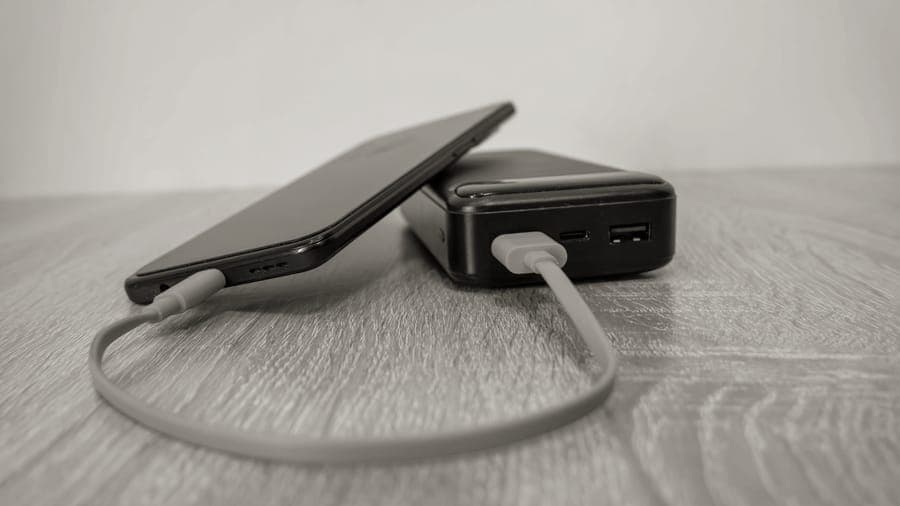
Best power bank
Power banks sized to airline watt-hour limits, with the mAh-to-Wh conversion explained.
Top pick: Anker PowerCore 10000 Power Bank
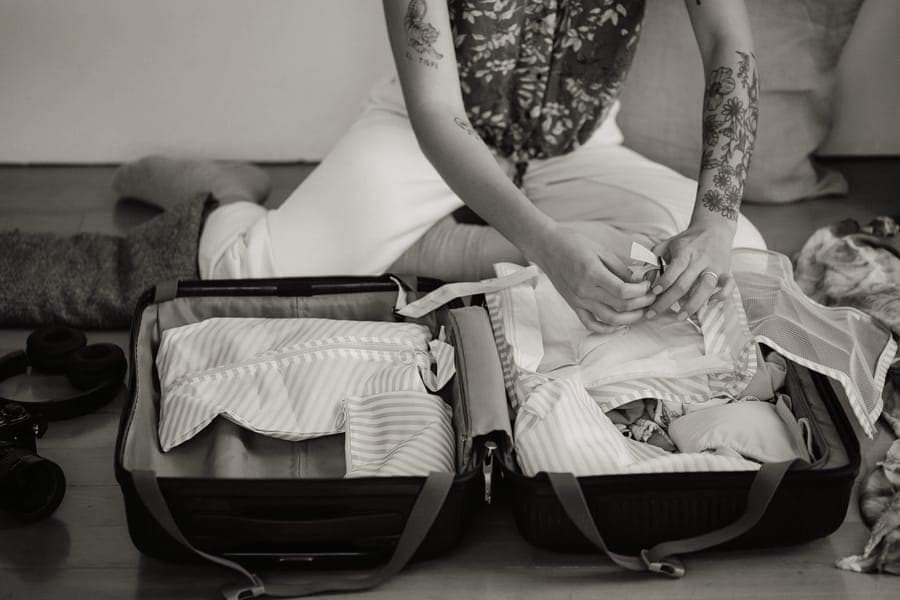
Essentials for women
Travel gear for women that earns its space, with Europe and comfort-focused variations.
Top pick: Travelon Anti-Theft Crossbody Bag
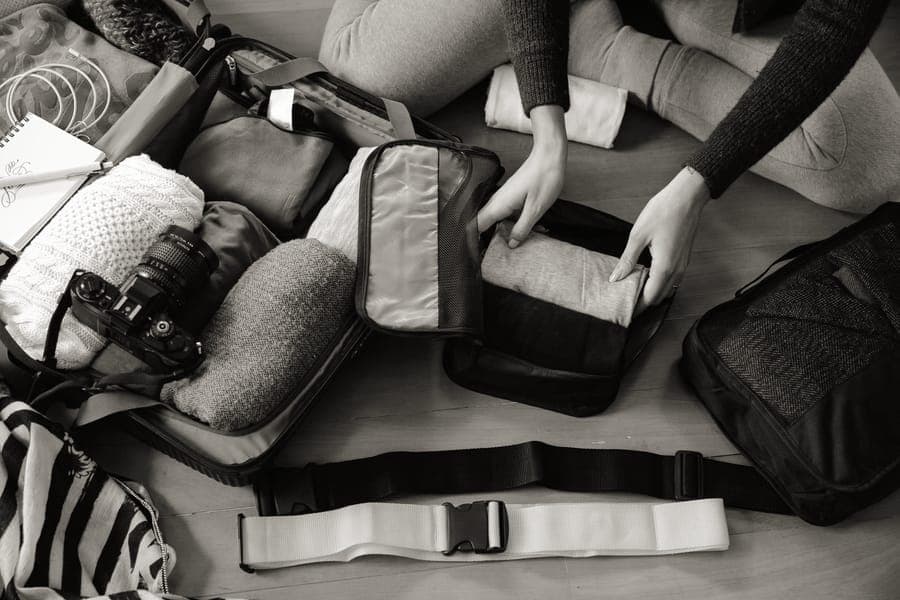
Essentials for men
Travel gear for men that earns its space, including the carry-on razor rules.
Top pick: Osprey Farpoint 40 Travel Pack
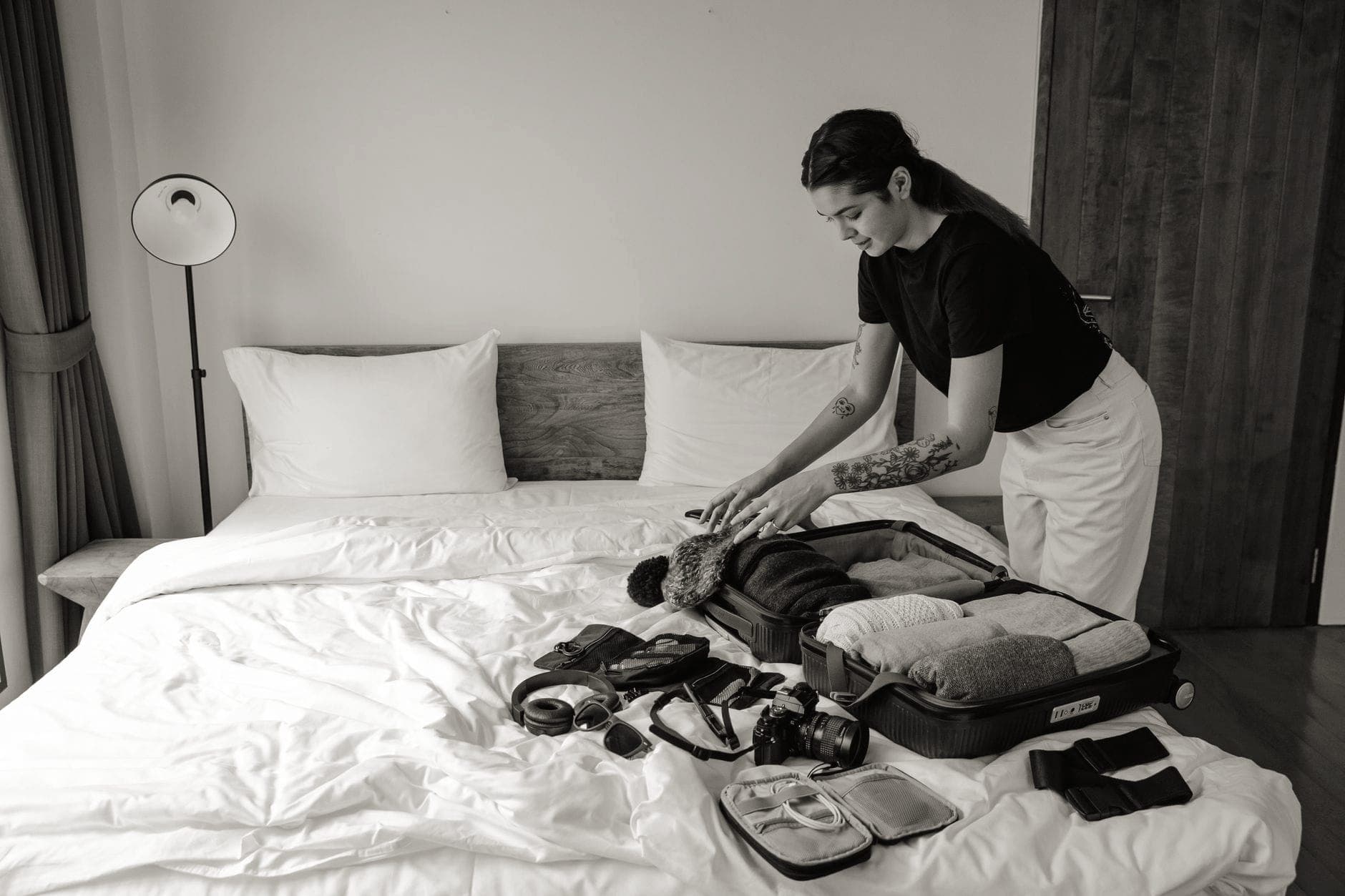
Best gifts
Travel gifts that get used, with the sizing and compatibility checks to make first.
Top pick: Apple AirTag
Every recommendation here has a rule attached: a size limit, a liquid limit, or a battery limit. These are the pages that tell you what you will actually be measured against at the gate.
Travel blankets, unless you are flying an airline that does not supply one on a red-eye. Inflatable footrests, which are banned on a growing number of carriers and which most people use once. Multi-tool keychains, which get confiscated. Currency belts, which announce exactly what they are hiding. And any gadget whose selling point is that it folds - folding is not a function.
The honest summary is that comfort on a long flight is mostly about sleep, circulation and hydration, and the gear that helps with those three is short and cheap. Everything past it is optional, and carrying less is itself a comfort upgrade.
If you are building the whole kit from scratch, work backwards from the bag: best personal item bags decides what you can realistically keep within reach for eleven hours.