Travel size toiletries: what to buy and what to decant
Decanting is cheaper and keeps the products you like. Travel sizes are worth it for a specific short list - here is which.
By Michael W. · Last updated September 10, 2026
We earn a commission when you buy through our links, at no extra cost to you. It never changes what we pick or how we rank it. How we’re funded.
Decant by default; buy travel sizes for the exceptions. Decanting costs a fraction as much per ounce, keeps the products you already use and like, and makes the quart bag a reusable kit rather than a shopping list before every trip.
The exceptions are real though, and they are the things that do not decant cleanly: aerosols, anything that needs a pump, products in packaging that is part of how they work, and anything you would rather not carry in a squeeze bottle. This page is about telling those apart.
Decant or buy? The list
| Product | Decant or buy | Why |
|---|---|---|
| Shampoo and conditioner | Decant, or switch to a bar | Easy to decant, and bars remove it from the quart bag |
| Body wash | Decant, or use bar soap | Bar soap is not a liquid at all |
| Moisturizer | Decant into a wide-mouth capsule | Thick, so it needs a wide opening |
| Sunscreen | Buy travel size | Thick, used in quantity, messy to decant |
| Toothpaste | Buy travel size, or use tablets | Comes in a small tube anyway; tablets are solid |
| Deodorant | Buy a solid stick | Solid sticks are not liquids at any size |
| Aerosols | Buy travel size | Cannot be decanted at all |
| Perfume or cologne | Buy an atomizer | Small glass sprays decant poorly and break |
| Contact solution | Buy travel size | Sterility matters - do not decant this |
| Makeup | Buy minis for liquids | Powder and pressed are not liquids at all |
Do not decant contact lens solution
It is a sterile product and transferring it into a non-sterile bottle compromises that. This is one place where buying the travel size is not laziness, it is the correct call.
What counts as a liquid
Broader than most people expect: liquids, gels, aerosols, creams and pastes. That catches a lot of things that do not pour.
- Counts: toothpaste, sunscreen, mascara, liquid foundation, hand sanitizer, gel and aerosol deodorant, hair gel, peanut butter, soft cheese.
- Does not count: solid stick deodorant, bar soap, shampoo and conditioner bars, toothpaste tablets, powder and pressed makeup, solid perfume, dry shampoo powder (though aerosol dry shampoo does count).
The second list is where the space is. Every item you move from the first list to the second frees room in a fixed quart bag - see TSA liquid rules for the full detail and solid toiletries for the swaps.
Where to buy travel toiletries
- Supermarket and drugstore travel aisles. Most convenient, moderate markup. Fine for the few things worth buying.
- Online, ahead of the trip. Cheapest for travel sizes, and the only way to get specific products in miniature. Needs planning.
- Airport shops, after security. Several times the price, and you are buying under time pressure. This is the outcome decanting exists to avoid.
- At your destination. The right answer for sunscreen on a beach trip and for anything bulky. A supermarket abroad sells the same products at local prices.
The genuine economics: a set of refillable bottles costs about the same as two rounds of travel-size purchases and then costs nothing for years. If you fly more than twice a year, decanting is not just cheaper, it is dramatically cheaper.
The limits, restated
3.4 oz (100 ml) maximum per container. All containers in one quart-sized resealable bag. One bag per passenger. The container size printed on the packaging is what counts, not the amount remaining inside.
Two things are exempt and do not go in the quart bag: medications and baby formula or breast milk. Both should be declared at the start of screening and both may get additional inspection. Reasonable quantities are permitted - you do not have to decant your prescriptions.
And the rule does not apply to checked bags at all. Full-size liquids are fine in the hold, subject to separate restrictions on aerosols, flammables and high-proof alcohol - see carry-on vs checked luggage if you are deciding which to use.
Building a kit you do not rebuild every trip
The real prize is a kit that lives packed. Refill the bottles when you get home rather than before you leave, keep the quart pouch assembled, and the toiletries stop being a pre-trip task at all.
- Buy the bottles once and label them - a permanent marker on masking tape is enough.
- Move as much as possible to solids, which shrinks what the bottles have to cover.
- Keep the quart pouch packed with the non-perishable items permanently in it.
- Refill on return, while you remember what ran out.
- Keep a small list of what you had to buy at the destination. That list is what your kit is missing.
Quick picks
The short list. Tap any row for the full write-up, including what each one is bad at.
| # | Product | Best for | Price |
|---|---|---|---|
| 1 | 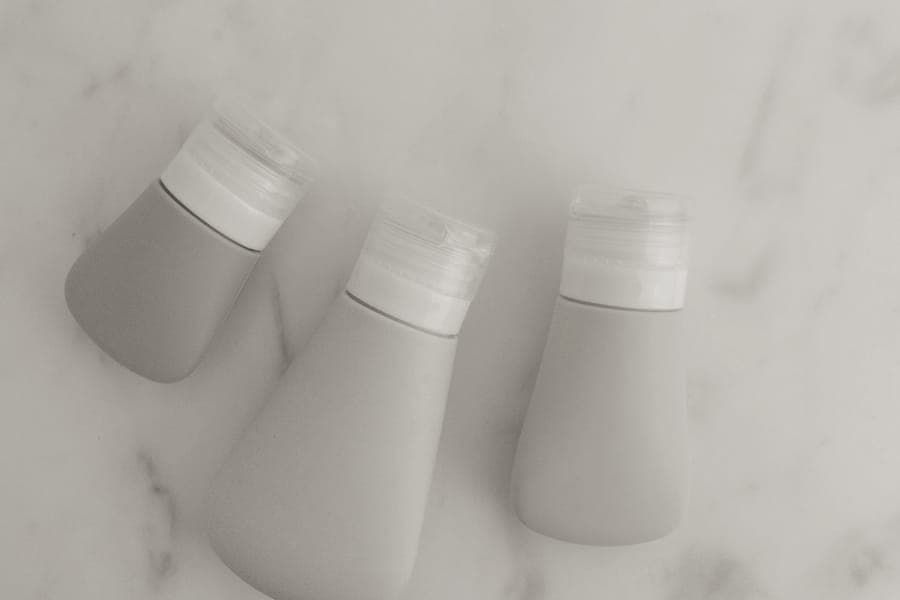 Humangear GoToob+ Silicone Travel Bottles 3 oz bottles with a valve seal - cheaper per ounce than any travel size. | Shampoo, conditioner, body wash | |
| 2 | 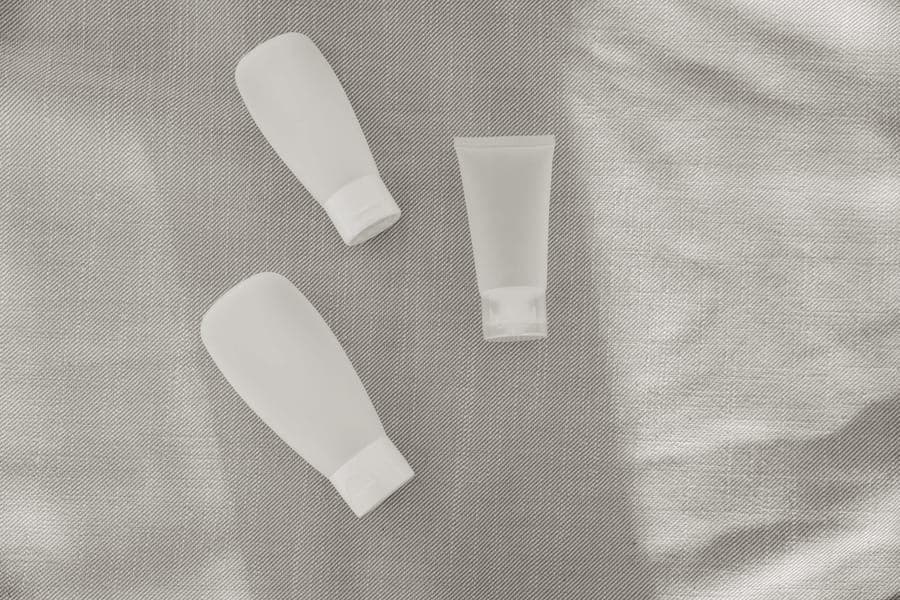 Travel Size Sunscreen SPF 50 Hard to decant cleanly, used in quantity, and expensive to buy at a resort. | Beach and summer trips | |
| 3 |  Ethique Shampoo Bar Not a liquid, so neither decanting nor travel sizes apply to it. | Carry-on-only travel |
The default answer for most of your kit
Humangear GoToob+ Silicone Travel Bottles
Anything that pours or squeezes should be decanted rather than bought in miniature. You keep the product you like, you pay supermarket prices rather than travel-aisle ones, and the bottles last for years. The seal is what you are paying for.
The specs that decide it
- Use for: Shampoo, conditioner, body wash, lotion
- Size: 3 oz - under the 3.4 oz limit, with the size printed
- Economics: Far cheaper per ounce than buying travel sizes repeatedly
Flaws but not dealbreakers
Awkward to clean thoroughly, and thick products are slow to squeeze through a narrow neck. You also have to remember to refill them before a trip, which is a step buying travel sizes does not have.
The one product where buying small genuinely makes sense
Travel Size Sunscreen SPF 50
Sunscreen is the awkward case: you use a lot of it, it is thick and messy to decant, and buying it at a beach destination costs several times supermarket prices. A properly sized travel bottle bought before you leave is the sensible middle.
The specs that decide it
- Why buy small: Thick, messy to decant, and needed in quantity
- 3-1-1 status: A liquid - counts toward the quart bag
- Note: Often the single largest item in a summer quart bag
Flaws but not dealbreakers
On a real beach trip a 3 oz bottle will not last a week for one person, let alone a family. Plan to buy a full-size bottle at the destination and carry only enough for the first day.
The swap that removes the item from the quart bag entirely
Ethique Shampoo Bar
The best answer to 'buy or decant' is sometimes neither. A solid bar is not a liquid, so it is not subject to the rule, does not go in the quart bag, and cannot leak. For shampoo specifically - usually the largest thing in the bag - that is the highest-leverage change available.
The specs that decide it
- 3-1-1 status: Not a liquid - unrestricted, outside the quart bag
- Replaces: Typically a 100 ml bottle
- Leak risk: None
Flaws but not dealbreakers
A wet bar needs to dry before it goes back in the bag, and a sealed tin on a travel day means a damp bar by evening. Hair type matters too - some people find bars leave residue in hard water.
Frequently asked questions
Is it cheaper to buy travel size or decant?
What size are travel size toiletries?
Should I decant contact lens solution?
Where can I buy travel size toiletries?
Does toothpaste count as a liquid?
Read next
- TSA liquid rules
- Best travel toiletry bottles
- Solid toiletries for travel
- Best toiletry bags
- Carry-on only packing list
More in Toiletries, or see every roundup and comparison on the site.