Carry-on vs checked luggage
Carry-on-only is not automatically better. It is better on specific trips, and worse on others. Here is how to tell which one you are taking.
By Michael W. · Last updated September 20, 2026

We earn a commission when you buy through our links, at no extra cost to you. It never changes what we pick or how we rank it. How we’re funded.
Go carry-on only for trips up to about ten days, especially on multi-leg international routings. Check a bag for longer trips, bulky gear, or when you are bringing things home. That is the answer for most people, most of the time.
What makes the decision interesting is that the costs are asymmetric. Carry-on-only costs you convenience, constantly and in small amounts - less to pack, liquid rules, a bag to lift into a bin. Checking costs you rarely but expensively: a delayed bag on a four-day trip is most of the trip. Which risk you prefer is a real preference, not a wrong answer.
Quick picks
The short list. Tap any row for the full write-up, including what each one is bad at.
| # | Product | Best for | Price |
|---|---|---|---|
| 1 | 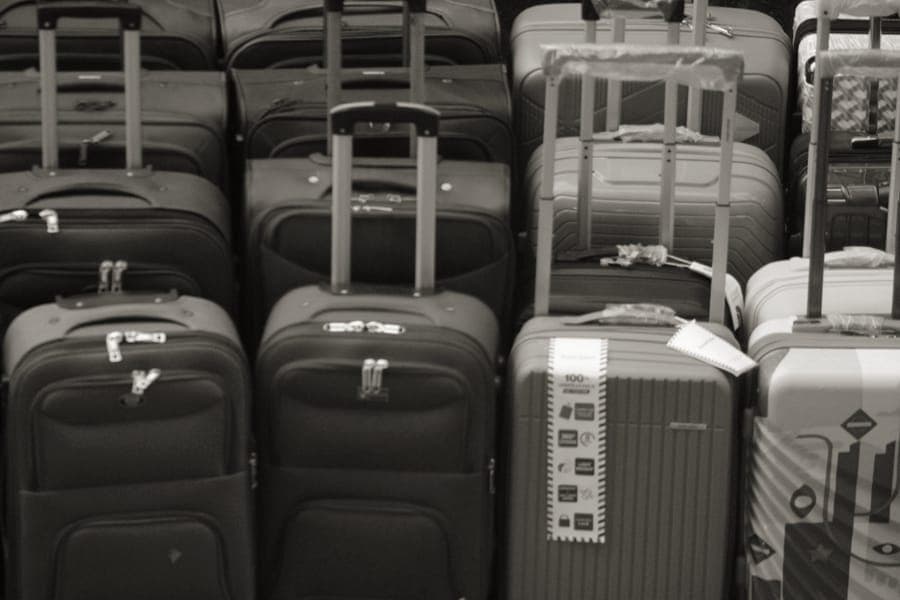 Travelpro Platinum Elite 21-inch Expandable Carry-On Spinner Built to the standard limit, with the running gear that survives frequent use. | Trips up to 10 days | |
| 2 | 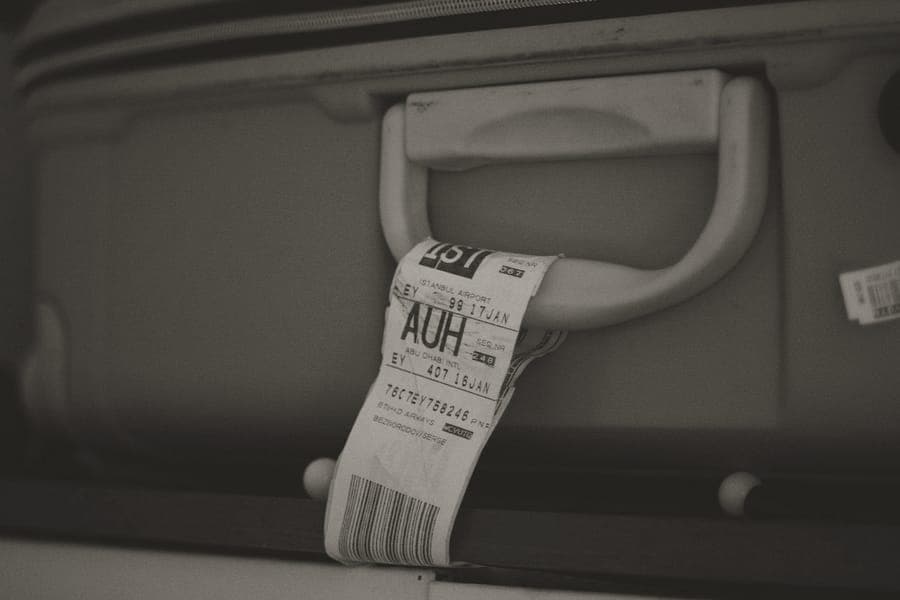 Travelpro Maxlite 5 Expandable Checked Spinner Very light for a checked bag - several pounds of clothes you get to bring. | Trips over two weeks | |
| 3 | 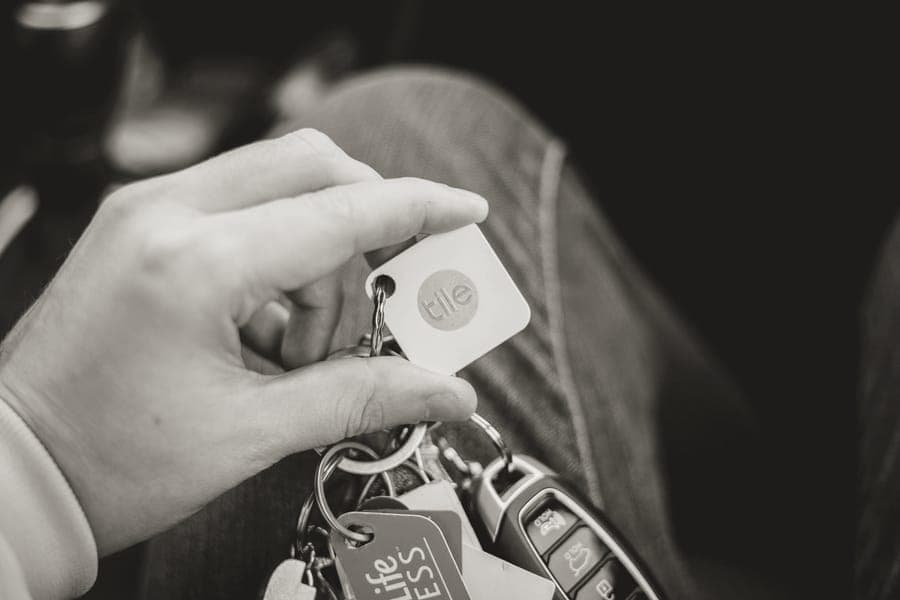 Apple AirTag Lets you tell the airline where your bag is, rather than asking them. | Multi-leg routings |
If you are going carry-on only, this is the bag
Travelpro Platinum Elite 21-inch Expandable Carry-On Spinner
Carry-on-only travel puts more wear on a single bag than checked travel does, because that bag goes everywhere with you and gets lifted into bins repeatedly. A bag built around its wheels and handle is the right investment for that pattern.
The specs that decide it
- Size: 22 x 14 x 9 standard, unexpanded
- Capacity: About 40 liters - a week of clothes for most people
- Access: Front pockets for the security-tray items
Flaws but not dealbreakers
The expansion zip takes it over the limit, so the extra capacity is only usable on a flight where you are checking it. Softside also gives little protection to anything fragile.
If you are checking, this gives back the most allowance
Travelpro Maxlite 5 Expandable Checked Spinner
The main cost of checking is the weight limit, and a heavy suitcase spends your allowance on itself. A light checked bag means more of the 50 lb goes to what you are actually taking, which is the whole point of having checked it.
The specs that decide it
- Weight: Very light for a checked bag
- Size: Check the total against the 62 linear inch limit
- Expansion: Genuinely usable here, unlike on a carry-on
Flaws but not dealbreakers
Fabric offers little protection in a baggage system and gets dirty permanently. If you are checking something fragile, a hardshell is the right choice instead.
The thing that shortens a delayed-bag problem
Apple AirTag
If you are checking on a connecting itinerary - the routing where bags actually go missing - a tracker changes what happens next. Every account of this playing out comes down to the same thing: knowing which airport the bag is sitting in turns a three-day delay into a one-day one.
The specs that decide it
- Network: Apple Find My - the largest detection network available
- Requires: An iPhone. Android users need a Google network tracker instead
- Placement: Inside the bag, where it cannot be removed
Flaws but not dealbreakers
Useless to Android users - there is no app and no functionality. It also only updates when a compatible phone passes near it, so it will not report from a cargo hold at altitude.
Carry-on vs checked, by what it actually costs you
| Carry-on only | Checked | |
|---|---|---|
| Bag arrives with you | Always | Usually, but not always |
| Time after landing | Straight out | 20-45 minutes at the belt |
| Capacity | About 40 liters | Two to three times more |
| Liquids | 3.4 oz containers, one quart bag | Unrestricted volume |
| Cost | Usually free | Fee on most fares, per bag per leg |
| Weight limit | Often none domestically; 7-10 kg abroad | 50 lb / 23 kg |
| Effort in the airport | Lift into a bin | Hand it over and walk |
| Risk on a tight connection | None | This is where bags go missing |
| Bringing things home | Very limited | Easy |
Go carry-on only if...
- The trip is ten days or less. A 40-liter bag holds a week comfortably, and ten days with one laundry stop is entirely normal.
- You have a connection, especially an international one. Every transfer is an opportunity for your bag not to make it. This is the single strongest argument for carrying on.
- The trip is short and the schedule matters. A delayed bag on a four-day trip effectively is the trip.
- You are moving between cities. Checking a bag repeatedly on a multi-city itinerary multiplies both the fees and the risk.
- Your fare charges for checked bags. Per bag, per leg - on a connecting round trip that is four charges.
Check a bag if...
- The trip is longer than about two weeks. Beyond that, carry-on-only means doing laundry as a scheduled activity rather than an occasional one.
- You need bulky gear. Ski equipment, camping kit, a musical instrument, a folded stroller. These do not fit a cabin bag at any level of packing skill.
- You are bringing things home. Gifts, shopping, equipment - the return leg is what actually forces most people to check.
- You are traveling with small children. The gear is bulky and your hands are already full.
- Cold weather. A winter coat, boots and a fleece take the volume of half a carry-on before anything else goes in.
The hybrid that works
Carry on for the outbound leg and check on the return. You avoid the risk of arriving without your clothes, and you get the capacity for whatever you are bringing back. A foldable duffel weighs almost nothing in the outbound bag and becomes the return-leg overflow.
The liquid problem is the real constraint
Most people think carry-on-only is limited by clothing volume. It is not - 40 liters is genuinely a week. The binding constraint is [the 3-1-1 liquid rule](/guides/tsa-liquid-rules): containers of 3.4 oz or less, all inside one quart bag. That is a fixed allowance that does not scale with trip length.
Which is why the toiletries decision determines whether carry-on-only works for you. Three approaches, in increasing order of effectiveness: decant into travel bottles, buy travel sizes, or switch to solids - which removes items from the quart bag entirely rather than just shrinking them.
The other constraint is shoes. They are bulky, heavy and people bring three pairs for a five-day trip. Two pairs, one of them worn on the plane, is the version that fits.
What each actually costs
Checked bag fees are charged per bag, per leg. A round trip with a connection each way is four legs, and depending on the fare that can mean four charges. Over a year of travel that is a substantial number and it is the most quantifiable argument for carrying on.
Carry-on-only has costs too, they are just not on the invoice: the liquid rule, the capacity ceiling, and lifting a bag into an overhead bin - which is a genuine consideration if you have shoulder or back problems and is rarely mentioned in advice written by people who do not.
And one hidden cost on the checked side: overweight fees are separate from oversize fees, so a large heavy bag can attract both. A luggage scale costs less than a single one of those.
The verdict
For a week in one place with a direct flight, either works and the decision is preference. For anything with a connection, carry on. For anything over two weeks or involving bulky gear, check. And for the return leg of a trip where you have acquired things, check that leg specifically rather than committing to one approach in both directions.
If you are going carry-on only, how to pack a carry-on has the sequence and the carry-on only packing list has the contents. If you are checking, best checked luggage covers the 62-linear-inch and 50 lb rules that govern it.
Frequently asked questions
Is carry-on only better than checking a bag?
How long a trip can you do carry-on only?
What is the main limitation of carry-on only?
Are checked bag fees charged per leg?
Should I check a bag if I have a connection?
Read next
- Carry-on only packing list
- Best checked luggage
- TSA liquid rules
- Best luggage trackers
- How to pack a carry-on
More in Luggage, or see every roundup and comparison on the site.