The best rolling duffel bags
A duffel that rolls solves the one thing duffels are bad at. It also inherits the one thing duffels are worst at, which is finding anything.
By Michael W. · Last updated September 23, 2026
We earn a commission when you buy through our links, at no extra cost to you. It never changes what we pick or how we rank it. How we’re funded.
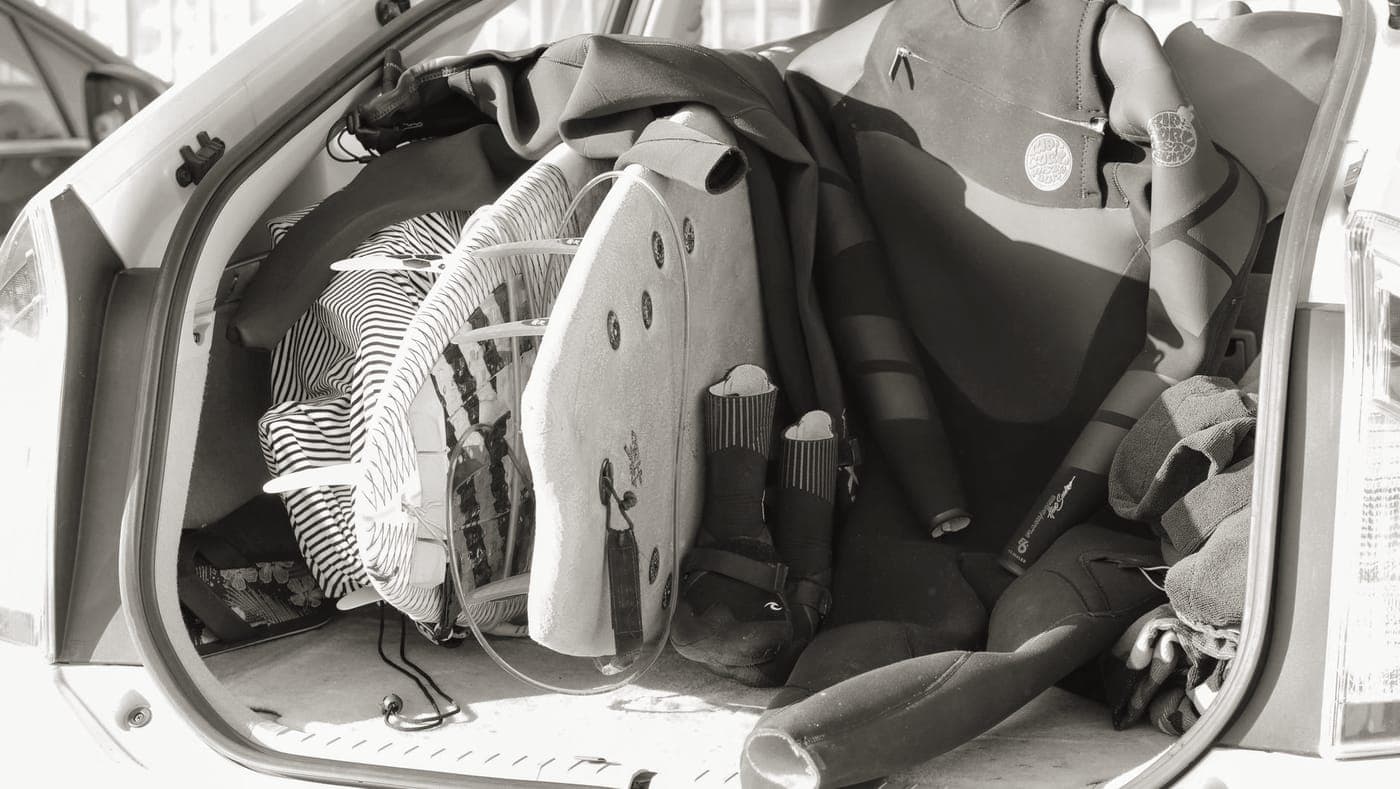
A rolling duffel is a compromise, and it is worth being clear about which way the compromise runs. You get a duffel's flexible shape - which fits car trunks, boat lockers and train racks that reject a rigid case - plus wheels, which remove the one thing duffels are genuinely bad at, namely carrying 60 lb of gear across a parking lot.
What you do not get is organization. A rolling duffel is still a large soft cavity, and everything in it migrates to the bottom. If your trip involves living out of the bag and finding one specific thing twice a day, a suitcase is the better tool and this is the wrong page. If your trip involves moving a lot of bulky gear from A to B, this is exactly right.
Quick picks
The short list. Tap any row for the full write-up, including what each one is bad at.
| # | Product | Best for | Price |
|---|---|---|---|
| 1 | 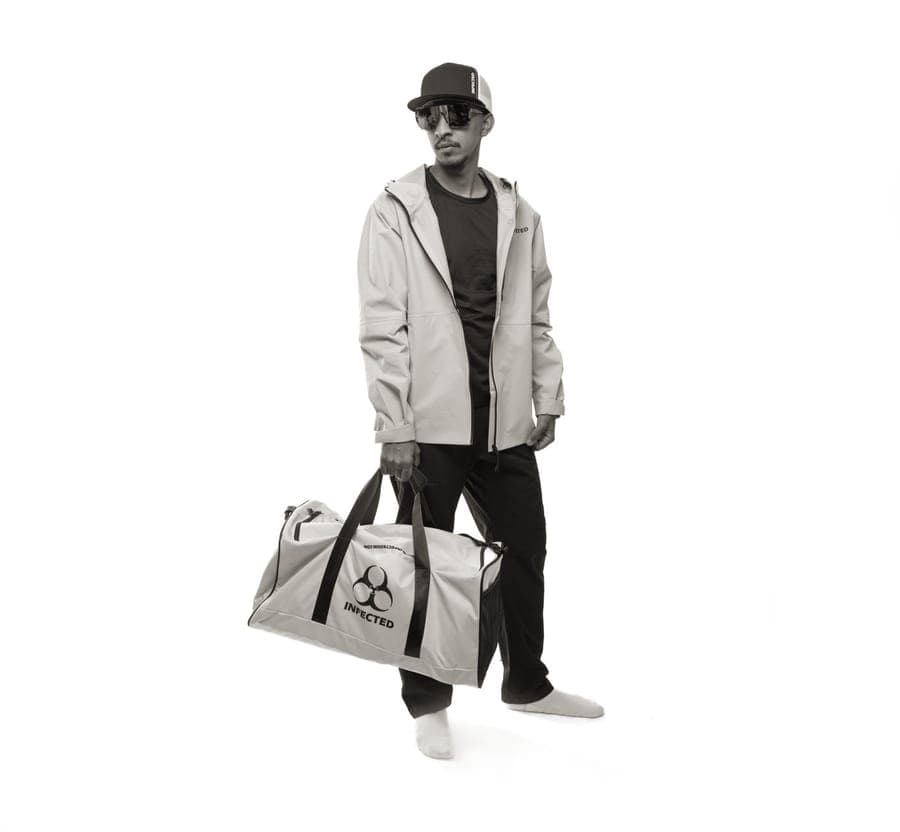 Patagonia Black Hole Wheeled Duffel 70L Coated fabric, flexible shape, and wheels for the parking-lot part. | Gear trips and rough handling | |
| 2 | 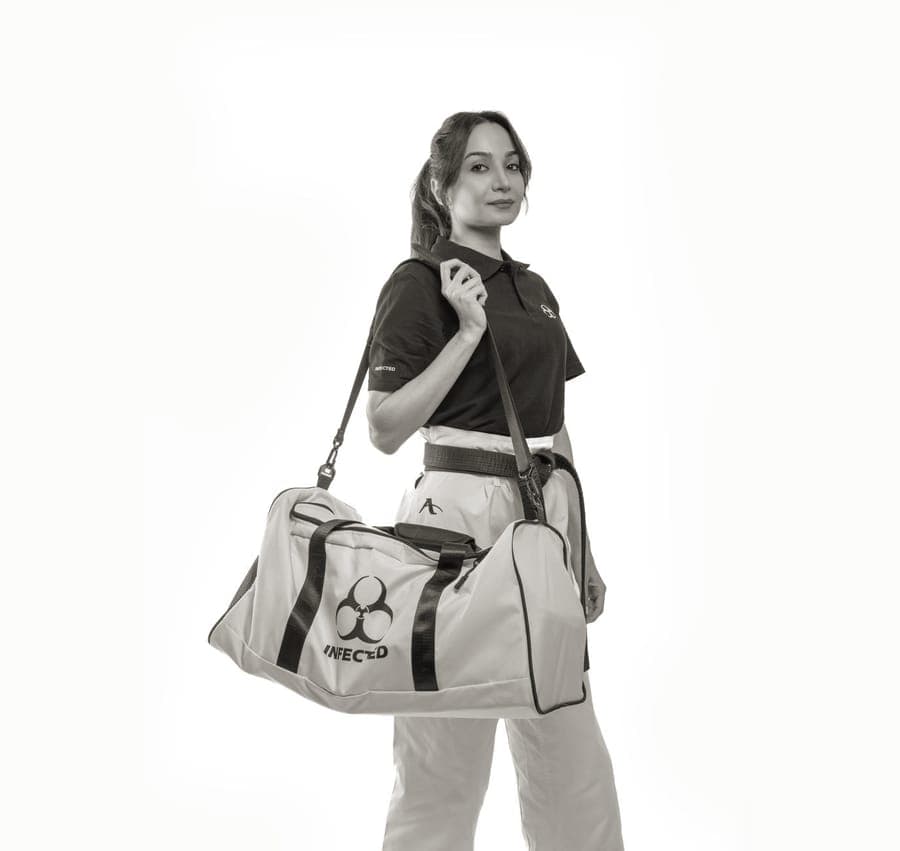 Patagonia Black Hole Duffel 40L Carry-on capacity in a bag with no shape to defend at a gate sizer. | Carry-on trips with awkward storage | |
| 3 | 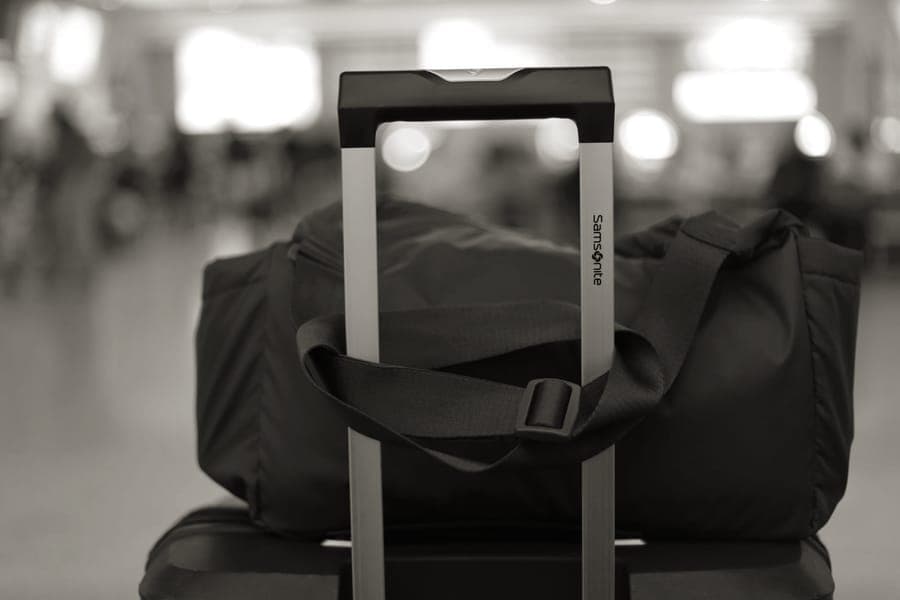 Osprey Transporter Wheeled Duffel 90L A wide mouth and a lot of volume, for things that will not fit a suitcase. | Bulky, awkward loads | |
| 4 |  Narwey Foldable Travel Duffel Bag Folds to nothing on the way out, absorbs the overflow on the way back. | An extra bag you did not plan for |
The one that takes the weather and the trunk
Patagonia Black Hole Wheeled Duffel 70L
Trips where the bag's life includes a wet dock, a truck bed, a gravel path or a car trunk it has to be squashed into. Coated fabric handles the weather properly rather than just resisting a drizzle, and the flexible body means the bag takes the shape of the space rather than demanding one.
The specs that decide it
- Capacity: 70 liters - a long trip or a lot of bulky gear
- Fabric: Coated and weather-resistant
- Shape: Flexible - fits trunks and racks that reject rigid cases
Flaws but not dealbreakers
Wheels and the handle add weight and steal interior volume from a bag whose whole appeal is capacity, and there is still essentially no internal organization. A fully loaded 70-liter duffel is also awkward on stairs, wheels or not.
The one that fits the cabin and still squashes
Patagonia Black Hole Duffel 40L
A 40-liter soft duffel is the most forgiving carry-on there is at a strict gate, because it has no frame to resist with. On budget carriers where the sizer is used routinely, that flexibility is worth more than any amount of clever interior design.
The specs that decide it
- Capacity: 40 liters - carry-on scale
- Structure: Frameless, compresses under a sizer
- Carry: Grab handles plus removable backpack straps
Flaws but not dealbreakers
No wheels on this model, so a fully loaded 40 liters is a two-handed carry. Like every duffel it also has no internal structure - everything ends at the bottom and finding one item means unpacking most of it.
The one for gear that does not fold
Osprey Transporter Wheeled Duffel 90L
Some loads are not clothes: sports equipment, camping gear, work kit, a folded stroller. Those things do not lie flat and they do not fit a suitcase's split-case geometry. A wide-mouth wheeled duffel takes them because it has no internal architecture to work around.
The specs that decide it
- Capacity: 90 liters - will exceed 62 linear inches, so check before flying
- Opening: Wide mouth for bulky, non-folding items
- Carry: Wheels plus haul handles for lifting into vehicles
Flaws but not dealbreakers
At 90 liters this is almost certainly oversize as checked baggage on most carriers, which means an oversize fee on every flight. Fully loaded it is also heavy enough to exceed the 50 lb weight limit easily.
The one for the trip home with more than you left with
Narwey Foldable Travel Duffel Bag
The classic use is not the outbound trip but the return one, when you have more than you started with. A foldable duffel packs flat inside a checked bag, weighs almost nothing, and becomes a second bag when you need it. It costs less than one overweight-baggage fee.
The specs that decide it
- Storage: Folds flat when empty
- Use: Overflow bag, or a personal item on the return leg
- Cost: Less than a single overweight fee
Flaws but not dealbreakers
Thin fabric and no structure - it is a contingency bag, not a piece of luggage. Webbing handles dig into your hand when it is full, and there is no padding for anything fragile.
How they compare
| Pick | Capacity | Wheels | Airline-friendly? | Main flaw |
|---|---|---|---|---|
| Patagonia Black Hole wheeled 70L | 70L | Yes | Check the linear total | No organization |
| Patagonia Black Hole 40L | 40L | No | Carry-on scale | Two-handed carry when full |
| Osprey Transporter 90L | 90L | Yes | Likely oversize | Oversize fee on most carriers |
| Narwey foldable | Varies | No | Yes, as a personal item | Contingency bag, not luggage |
When a duffel beats a suitcase
- When the storage space is awkward. A car trunk with a wheel arch, a boat locker, an overhead rack on a regional train. A soft bag takes the shape; a case demands one.
- When the load does not fold. Sports equipment, camping gear, anything bulky and irregular. Suitcases have internal geometry that assumes flat contents.
- When the bag will get wet or dirty. Coated duffel fabric shrugs off a wet dock or a muddy path in a way a fabric suitcase does not.
- When you need a bag that disappears. Foldable duffels store flat and weigh nothing, which is exactly what you want in a contingency bag.
And when it loses: any trip where you live out of the bag. A duffel is a cavity, and a cavity is a bad wardrobe. If you are in one place for a week and unpacking daily, a carry-on suitcase or a clamshell travel pack will make the trip noticeably easier.
The size trap at the large end
Duffels are sold by volume, and airlines measure in inches. A 90-liter duffel is almost certainly over the 62 linear inch checked baggage limit once packed, and an oversize fee applies on every leg. Worse, oversize and overweight fees are charged separately, so a large full duffel can attract both.
Two practical rules. Below about 70 liters, check the packed dimensions and you will usually be fine. Above that, assume you are paying oversize unless you have specifically checked. And weigh it - a soft bag with no structure invites overpacking in a way a case does not, which is what a luggage scale is for.
How we chose these picks
Fabric and coating first, because weather resistance is the main thing a good duffel offers over a cheap one and it is where the money goes. Then haul handles, since a loaded duffel gets lifted into vehicles far more than it gets wheeled. Then wheel and housing construction, which takes more abuse on a duffel because there is no rigid frame supporting it. Then packed size against the 62 linear inch rule.
We have not loaded these into trunks or dragged them across gravel ourselves - see our methodology for where our confidence comes from.
What we passed over
- Duffels over 100 liters. Oversize everywhere, and heavy enough when full that the wheels become a liability rather than a help.
- Rolling duffels with small hard wheels. The whole point is rough ground; small wheels are for smooth terminal floors, which is where you would have brought a suitcase.
- Uncoated fabric duffels sold for outdoor use. If the bag is going anywhere wet, an uncoated fabric is a design failure, not a saving.
- Duffels with rigid internal frames. They remove the flexibility that is the entire reason to buy a duffel.
How to choose a rolling duffel
- Decide whether you need wheels at all. Under about 50 liters, backpack straps are more useful and lighter.
- Check the packed dimensions against 62 linear inches, not the volume in liters.
- Insist on a coated fabric if the bag will see weather. It is the main quality difference in this category.
- Look for haul handles on the ends and sides. Loaded duffels get lifted constantly and a bag with only a top handle is awkward.
- Add packing cubes. This is the bag type where cubes make the biggest difference, because there is no internal structure at all.
Frequently asked questions
Are rolling duffel bags good for air travel?
Will a 90L duffel fit airline checked baggage limits?
Is a rolling duffel better than a suitcase?
Can a duffel bag be a carry-on?
How do you keep a duffel bag organized?
Read next
- Best checked luggage
- Best packing cubes
- Best luggage scales
- Best travel backpacks
- Carry-on size by airline
More in Luggage, or see every roundup and comparison on the site.