The best travel backpacks
Packs for trips that involve moving between places rather than sitting in one. Sized, compared, and honest about who should not buy one.
By Michael W. · Last updated September 24, 2026
We earn a commission when you buy through our links, at no extra cost to you. It never changes what we pick or how we rank it. How we’re funded.
The travel backpack exists for a specific kind of trip: one where you move between places rather than settling in one. Multi-city, multi-country, trains and buses and stairs. On that trip a pack is not a compromise on a suitcase - it is a different and better tool, because everything that makes wheels good in a terminal makes them bad on a station staircase.
On the other trip - fly in, one hotel, fly out - a pack is worse than a case in every respect that matters. Being honest about which trip you are taking is more useful than any amount of spec comparison, which is why this page starts there.
Quick picks
The short list. Tap any row for the full write-up, including what each one is bad at.
| # | Product | Best for | Price |
|---|---|---|---|
| 1 | 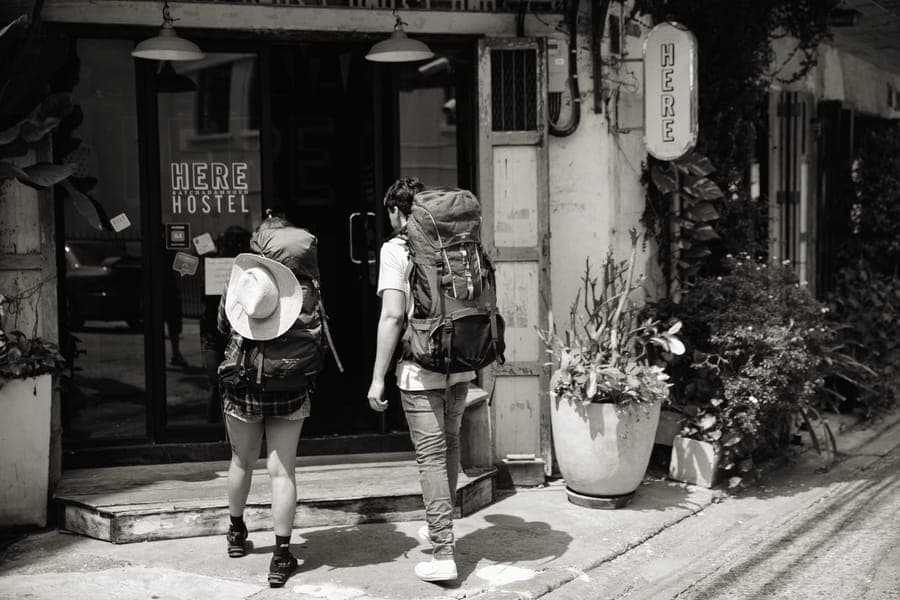 Osprey Farpoint 40 Travel Pack Carry-on sized, clamshell, stowable harness - the category's sensible default. | Multi-city trips | |
| 2 | 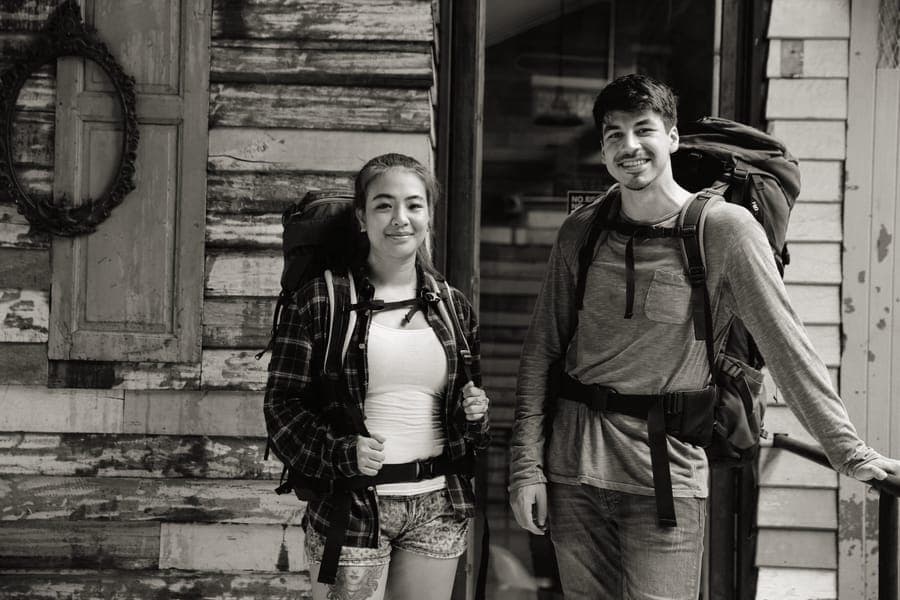 Osprey Fairview 40 Travel Pack Identical design, harness geometry cut for a shorter back and narrower shoulders. | Shorter torso lengths | |
| 3 |  Cotopaxi Allpa 35L Travel Pack Full clamshell with mesh-topped compartments - no excavating required. | Living out of the bag | |
| 4 |  Osprey Daylite Carry-On Travel Pack 44L Four more liters than the standard, which is a fleece and a pair of boots. | Cold weather and longer trips | |
| 5 |  Peak Design Travel Backpack 45L Structured and padded, with side access so the gear is reachable without unpacking. | Photographers and working travelers |
The pack to buy if you are only buying one
Osprey Farpoint 40 Travel Pack
Forty liters is the size that covers the most ground: large enough for a week or more with laundry, small enough to stay inside the carry-on envelope on most airlines. Add a clamshell opening and a harness that zips away and you have a bag that works for the trip and works at the airport, which is more than most packs manage.
The specs that decide it
- Capacity: 40 liters - a week or more with one laundry stop
- Size: Carry-on envelope, compresses under a sizer
- Harness: Stows behind a zip panel for check-in
Flaws but not dealbreakers
The suspension is tuned for airport distances, not hiking. Loaded heavy over several miles it is noticeably less comfortable than a proper backpacking pack, and there is no dedicated laptop compartment in the base model.
The same bag with a harness that actually fits
Osprey Fairview 40 Travel Pack
Fit matters more than any other spec on a pack, and a harness designed for a longer torso will never be comfortable on a shorter one no matter how you adjust it. This is the same pack with the suspension re-cut: shorter back panel, narrower shoulder strap spacing, differently angled hip belt.
The specs that decide it
- Capacity: 40 liters, same as the Farpoint
- Harness: Shorter back panel and narrower strap spacing
- Size: Carry-on envelope, harness stows for check-in
Flaws but not dealbreakers
Same limitations as the Farpoint - airport-grade suspension rather than hiking suspension, and no dedicated laptop sleeve. Torso length is also individual rather than gendered, so the naming is more marketing than measurement: try both if you can.
The one where you can see everything at once
Cotopaxi Allpa 35L Travel Pack
On a trip where you repack every two days, the difference between a bag you can see into and one you have to dig through compounds fast. Mesh-topped internal compartments mean you open the pack flat, find what you want, and close it - rather than unpacking onto a hostel bed twice a day.
The specs that decide it
- Capacity: 35 liters - tighter, which suits shorter trips or ruthless packing
- Opening: Full clamshell with see-through mesh compartments
- Build: Coated fabric with a padded laptop sleeve
Flaws but not dealbreakers
Fixed internal compartments mean packing to somebody else's categories, which is frustrating if yours differ. The organization also adds material, so it is heavy for 35 liters.
The one with room for the extra layer
Osprey Daylite Carry-On Travel Pack 44L
Forty liters is comfortable for a warm-weather week. Add a winter coat, a fleece and heavier footwear and it stops being comfortable. Forty-four liters is the size that absorbs cold-weather bulk without moving you into checked-bag territory, and it still clears most carry-on limits when packed sensibly.
The specs that decide it
- Capacity: 44 liters - absorbs winter layers and heavier footwear
- Size: Built to the carry-on envelope; measure it packed, not empty
- Opening: Clamshell, harness stows for check-in
Flaws but not dealbreakers
A 44-liter pack filled to capacity is heavy, and the basic suspension is felt more at this size than at 40. Packed full it also bulges past its empty dimensions, which is where gate trouble starts.
The one for carrying cameras, not just clothes
Peak Design Travel Backpack 45L
If the expensive thing on the trip is the equipment rather than the bag, a structured pack with real padding is the right call. Side access matters here more than clamshell access does: you want the camera out in ten seconds without putting the pack on the floor and opening it flat.
The specs that decide it
- Capacity: 45 liters, and it compresses down to a carry-on footprint
- Protection: Structured with genuine padding for cameras and laptops
- Access: Side and rear panels - gear out without full unpacking
Flaws but not dealbreakers
Heavy empty, because structure and padding are material. That undercuts the main reason to choose a pack on a weighed cabin allowance, and it is expensive enough that it only makes sense if you are genuinely carrying gear.
How they compare
| Pick | Capacity | Suits | Empty weight | Main flaw |
|---|---|---|---|---|
| Osprey Farpoint 40 | 40L | A week-plus with laundry | Light | Airport-grade suspension |
| Osprey Fairview 40 | 40L | Same, shorter torso fit | Light | Same as Farpoint |
| Cotopaxi Allpa 35L | 35L | Shorter trips, tight packing | Medium | Fixed compartments |
| Osprey Daylite 44L | 44L | Cold weather, longer trips | Light | Bulges when full |
| Peak Design 45L | 45L | Camera and work equipment | Heavy | Weight undoes the pack advantage |
What size travel backpack do you need?
| Capacity | Trip length | Notes |
|---|---|---|
| 25-30L | Weekend to 3 days | Also works as a personal item on most carriers |
| 35L | 4-7 days, warm weather | Tight but workable; no room for bulky layers |
| 40L | 1-2 weeks with laundry | The sweet spot, and usually carry-on legal |
| 44-45L | 1-2 weeks, cold weather | Absorbs winter bulk; measure it packed |
| 50L+ | Long trips, checked | Rarely fits a carry-on limit once loaded |
Two things distort this. Shoes are the single biggest consumer of pack volume after outerwear - two pairs instead of three is worth about five liters. And cold weather roughly doubles the bulk of the same number of days, because a fleece and a coat take the space of four shirts.
The other honest note: a bigger pack does not stay half empty. Capacity gets used. If you are between sizes, the smaller one usually makes for a better trip.
Fit matters more than any spec
Torso length is the measurement that decides whether a loaded pack is comfortable, and it correlates poorly with height - two people the same height can differ by several inches. A pack whose harness is cut for a longer torso will put the weight on your shoulders instead of your hips no matter how you adjust the straps, and that is what makes a pack painful rather than merely heavy.
If you can try one loaded, do. If you cannot, measure your torso from the C7 vertebra at the base of your neck to the top of your hip bones, and compare it against the manufacturer's stated range rather than choosing by height or by which version has the more appealing name.
How we chose these picks
Carry comfort under a realistic load first, since a pack you dread putting on is a bad pack at any price. Then access - clamshell or side, never top-loading. Then airline fit, because most of these trips start with a flight. Then empty weight, the advantage packs hold over wheeled bags and the one that structured designs quietly give back.
We have not hiked these packs through train stations ourselves. Comfort and durability findings come from published hands-on testing by named reviewers - our methodology sets out where our confidence comes from and where it stops.
What we passed over
- Hiking packs. Top-loading, tapered, strap-covered. Excellent on a trail and genuinely bad in an airport.
- Convertible wheeled packs. They carry the weight penalty of wheels plus the discomfort of a pack, and do neither job as well as a bag committed to one of them.
- Anything above 50 liters marketed as carry-on. It will not fit once packed, whatever the listing says.
- Packs with no adjustable torso length. Fit is the whole game, and a fixed harness only fits some people.
How to choose a travel backpack
- Be honest about the trip. Moving between places favors a pack; one hotel and a flat terminal favors a case. Travel backpack vs suitcase works it through.
- Measure your torso, then match it against the harness range rather than guessing from height.
- Pick 40 liters unless you have a reason not to. It covers the most trips and usually clears the carry-on limit.
- Insist on clamshell or side access. Top-loading is the single worst thing about a bad travel pack.
- Check the packed dimensions against your airline's limit, not the empty ones.
Frequently asked questions
What size travel backpack is best?
Is a travel backpack better than a suitcase?
How do I know if a backpack fits me?
Can I use a hiking backpack for travel?
How should I pack a travel backpack?
Read next
- Best carry-on backpacks
- Travel backpack vs suitcase
- Best packing cubes
- Carry-on size by airline
- Best luggage for Europe
More in Luggage, or see every roundup and comparison on the site.