The best luggage for Europe
Cobbles, stairs without lifts, train racks from another century and budget airlines that use the sizer. Europe is a different problem from US domestic flying.
By Michael W. · Last updated September 21, 2026
We earn a commission when you buy through our links, at no extra cost to you. It never changes what we pick or how we rank it. How we’re funded.
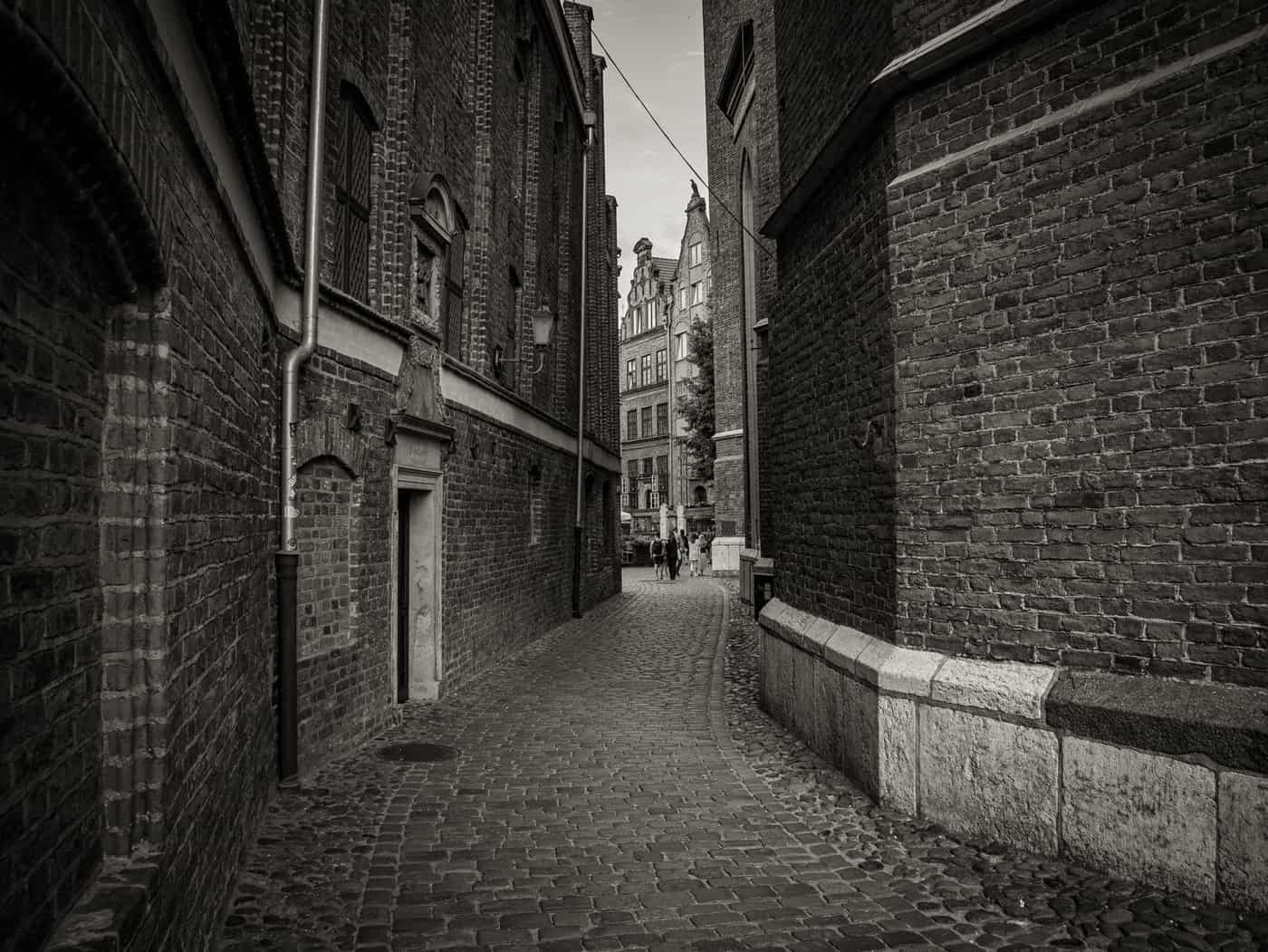
Luggage that works perfectly across an American airport can be actively bad in Europe, and the reasons are physical rather than cultural. Cobbled streets destroy spinner wheels. Old stations have stairs and no lift. Regional train racks were sized before rolling luggage existed. And European budget carriers use the gate sizer as a revenue instrument.
None of that shows up in a US domestic trip, which is why so much luggage advice fails on a first European trip. This page is built around those four constraints specifically, and it will push you toward smaller and lighter than you would otherwise buy.
Budget carriers weigh and measure
Cabin bag limits of 7 to 10 kg are common on European carriers and are enforced at the gate. Several also sell the carry-on separately from the base fare, making the personal item the only free allowance. Check the operating carrier for every leg - see carry-on size by airline.
Quick picks
The short list. Tap any row for the full write-up, including what each one is bad at.
| # | Product | Best for | Price |
|---|---|---|---|
| 1 |  Osprey Farpoint 40 Travel Pack No wheels to destroy, light enough for a 7 kg cabin limit, carries up stairs. | Multi-city trips | |
| 2 |  Travelpro Maxlite 5 Carry-On Spinner Light enough for a weighed cabin bag, small enough for a train rack. | Fewer stops, more pavement | |
| 3 |  Cotopaxi Allpa 35L Travel Pack Personal-item sized, so it flies free on fares where the cabin bag is not included. | Ryanair-style fare structures | |
| 4 |  Away The Carry-On Compact hardshell that keeps rain out and fits a train rack. | Wet weather and one or two bases | |
| 5 |  Osprey Daylite Plus Daypack Small, slim, and it works as a personal item on the way over. | City days |
The one that does not care about cobblestones or stairs
Osprey Farpoint 40 Travel Pack
This is the honest answer to a European trip involving more than one city. Stairs at stations with no lift, cobbled streets between the station and the apartment, a regional train with a rack the size of a shelf - a pack handles all three without thinking about it. And on carriers that weigh the cabin bag, it leaves the most allowance for your clothes.
The specs that decide it
- Weight: Light - most of a 7 kg cabin allowance stays available for contents
- Terrain: No wheels, so cobbles and gravel are irrelevant
- Size: Carry-on envelope, and compresses under a budget-carrier sizer
Flaws but not dealbreakers
You carry it, and a European trip involves more walking with your bag than a US one does - from the station to the apartment is often fifteen minutes on foot. It is the wrong bag if you have back or shoulder problems, full stop.
The one if you want wheels and still care about the scale
Travelpro Maxlite 5 Carry-On Spinner
If a pack is not an option, the priorities change to weight and footprint. A light carry-on spinner clears budget-carrier weight limits with room to spare and fits the overhead racks on European trains, which routinely reject anything larger than a standard cabin bag.
The specs that decide it
- Weight: Among the lightest wheeled carry-ons - matters on a 7 kg limit
- Footprint: Standard carry-on, which is what European train racks accept
- Construction: Softside, so it compresses at a strict gate
Flaws but not dealbreakers
Four-wheel spinners are the wrong configuration for cobbles - on rough stone you will drag it on two wheels, putting sideways load on housings not built for it. Lighter construction also wears faster than a heavier bag from the same brand.
The one for when the carry-on is a paid extra
Cotopaxi Allpa 35L Travel Pack
On many European budget fares the cabin bag costs extra and only the under-seat item is free. A pack sized to that envelope turns the free allowance into a genuine bag for a weekend or a short trip, and it opens flat so living out of it is not miserable.
The specs that decide it
- Size: Personal-item scale - free on fares that charge for the cabin bag
- Opening: Full clamshell with visible mesh compartments
- Check: Budget carrier personal item limits vary - verify before booking
Flaws but not dealbreakers
European budget carriers publish their own personal item dimensions and several are tighter than the US norm, so this will not clear every one of them. Check the specific airline rather than assuming - and note it is over United's US limit too.
The one if you want a shell and a small footprint
Away The Carry-On
A European trip involves more weather and more time outdoors with your bag than an American one - walking from a station, waiting on a platform, crossing a square in the rain. A hardshell keeps that out in a way fabric does not, and the compact footprint is what makes it viable on trains.
The specs that decide it
- Shell: Polycarbonate - handles rain and wet stone
- Footprint: Compact, which is what European train racks require
- Interior: Compression panel, useful when you repack every two days
Flaws but not dealbreakers
Spinner wheels and cobblestones are a genuinely poor match, and a rigid shell has no give at a budget carrier's sizer. It is also expensive for what is mechanically a fairly ordinary case.
The one you carry once the main bag is at the apartment
Osprey Daylite Plus Daypack
A European trip has two bag problems, not one: getting your things between cities, and carrying what you need for a day of walking around one. A slim daypack does the second job and doubles as your personal item on the flights, which means it earns its space twice.
The specs that decide it
- Use: Personal item in transit, day bag on the ground
- Size: Clears every published US personal item limit including United's
- Profile: Slim, which matters on crowded metros and in cafes
Flaws but not dealbreakers
It is a daypack, so there is no travel-specific organization and no clamshell. In crowded tourist areas a backpack worn on your back is also the easiest bag to open without you noticing - wear it on your front on a busy metro.
How they compare
| Pick | Cobbles | Station stairs | Train rack | Budget carrier limit |
|---|---|---|---|---|
| Osprey Farpoint 40 | No wheels - irrelevant | Easy | Fits, compresses | Light and compresses |
| Travelpro Maxlite 5 | Poor - drag on two wheels | Two-stage lift | Fits | Light, compresses slightly |
| Cotopaxi Allpa 35L | No wheels - irrelevant | Easy | Fits easily | Often free as a personal item |
| Away The Carry-On | Poor - spinner wheels | Two-stage lift | Fits | No give at a sizer |
| Osprey Daylite Plus | n/a - day bag | Easy | n/a | Clears every limit |
Cobblestones and why spinners lose
Four-wheel spinners work by letting the bag stand upright while you push it alongside you. That requires a smooth surface. On cobbles, setts or broken pavement the wheels catch, the bag topples, and you end up tilting it onto two wheels and dragging it - which is exactly what spinner housings are not designed for, because the load is now lateral rather than vertical.
Two-wheel inline designs handle this far better: the wheels are recessed into the shell and the bag is designed to be dragged tilted. They are harder to find at carry-on size now, which is a genuine gap in the market. If you are buying wheels for Europe and can find a good two-wheel bag, it is the better tool - and if you cannot, accept that you are buying a compromise and keep the bag light so dragging it is not a workout.
Trains, stairs and the fifteen-minute walk
European rail is excellent and its luggage provision is not. Overhead racks on regional and older intercity trains are shallow - a standard carry-on fits, a large checked bag does not, and the end-of-carriage luggage stacks fill within minutes of boarding. Plan around a carry-on-sized bag and the problem disappears.
Stairs are the other constant. Many older stations have no lift, or have one lift serving a station with six platforms. A bag you can carry up a flight of stairs in one motion is meaningfully easier than one you have to lift in two stages, which is most of the argument for a pack.
And the walk. Apartments and small hotels in old towns are frequently ten to fifteen minutes on foot from the nearest station, over exactly the surfaces described above. That walk, twice per city, is what decides whether your luggage choice was right.
How we chose these picks
Against the four European constraints in order: weight, because budget carriers weigh cabin bags; terrain tolerance, because cobbles are real; footprint against train racks, because that is where a big bag fails; and whether the bag compresses, because the gate sizer gets used here in a way it does not on US majors.
We have not dragged these across a European old town ourselves and we do not run a testing lab. The terrain observations here are general properties of wheel configurations rather than test results - our methodology sets out where our confidence comes from.
What we passed over
- Large checked spinners. They fail on cobbles, do not fit train racks, and are miserable on station stairs. If you are moving between cities, this is the bag that ruins the trip.
- Aluminum cases. Heavy against a 7 kg cabin limit, and the weight is felt on every one of those fifteen-minute walks.
- Anything expandable. European budget carriers measure, and an expanded bag is over.
- Hardside bags with glossy finishes. Wet stone, dragged bags and narrow doorways scuff them fast.
How to choose luggage for a European trip
- Count your cities. One base means a case is fine. Three or more means a pack is probably right.
- Check every carrier you are flying, not just the outbound. European budget fares vary wildly and the cabin bag is often a paid extra - carry-on size by airline has the pattern.
- Weigh the empty bag. On a 7 kg cabin limit, a heavy case costs you half your clothes.
- Go one size smaller than you think. Train racks, apartment stairs and cobbled walks all reward it, and nobody has ever regretted a lighter bag in Europe.
- Pack an [adapter](/essentials/best-travel-adapters), not a converter, unless you are bringing a heating appliance.
What to put in it
Europe rewards layers over bulk, because the weather changes more than the temperature does and you will be outdoors far more than on a typical US trip. One warm layer you can carry, one waterproof shell, and shoes you can genuinely walk eight miles a day in - that last one is the item people get most wrong.
The Europe packing list has the full version, including the seasonal variations. And if you are flying carry-on only, the TSA liquid rules apply on the way out - though note that European airports set their own liquid rules for the return leg, and they have changed more than once.
Frequently asked questions
What luggage is best for a trip to Europe?
Are spinner suitcases bad for cobblestones?
What is the carry-on limit on European budget airlines?
Will my suitcase fit on a European train?
Should I take a backpack or a suitcase to Europe?
Read next
- Europe packing list
- Best travel backpacks
- Carry-on size by airline
- Best travel adapters
- Best luggage for international travel
More in Luggage, or see every roundup and comparison on the site.