The best luggage for international travel
Outside the US, the cabin bag gets weighed. That single difference changes which suitcase is the right one more than any other factor.
By Michael W. · Last updated September 26, 2026
We earn a commission when you buy through our links, at no extra cost to you. It never changes what we pick or how we rank it. How we’re funded.
US domestic flying has trained American travelers into a habit that fails abroad: ignoring what the bag weighs. Major US carriers generally do not weigh cabin baggage on domestic routes. Most international carriers do, commonly against a 7 to 10 kg limit, and they enforce it.
That reverses the buying logic. A 10 lb hardside carry-on has consumed about 4.5 kg - more than half of a 7 kg allowance - before a single shirt goes in. On that route the shell you paid for is costing you the packing capacity you bought the bag to get. Empty weight is the first number to look at, not the fifth.
The connection catches people
A bag that cleared your transatlantic leg may be weighed and measured again by the regional carrier operating your connecting flight, against stricter rules. On a single ticket that is still yours to solve at the gate. Check the operating carrier for every leg, not just the airline you booked with.
Quick picks
The short list. Tap any row for the full write-up, including what each one is bad at.
| # | Product | Best for | Price |
|---|---|---|---|
| 1 |  Osprey Farpoint 40 Travel Pack Light and frameless, so the weight allowance goes to your clothes. | 7-10 kg cabin limits | |
| 2 |  Travelpro Maxlite 5 Carry-On Spinner About as light as a wheeled carry-on gets without giving up build quality. | Wheels on a weighed route | |
| 3 |  Travelpro Maxlite 5 Expandable Checked Spinner A very light checked bag, which is several kilos of clothes you get back. | 23 kg / 50 lb checked limits | |
| 4 |  Samsonite Winfield 3 DLX Hardside Checked Spinner Rigid polycarbonate and a TSA-accepted lock, for bags that will be handled hard. | Fragile contents in the hold | |
| 5 | 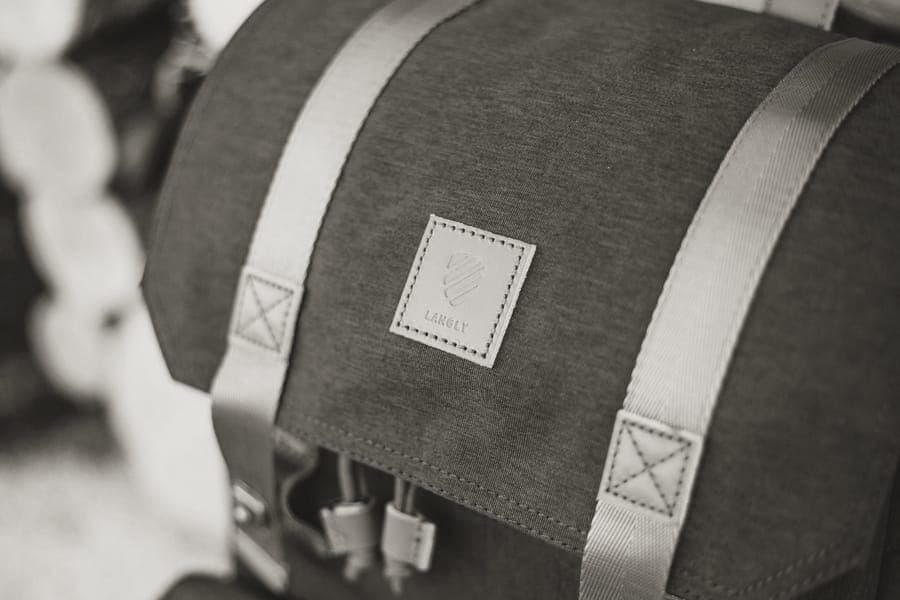 Cotopaxi Allpa 35L Travel Pack Clamshell access, so you can find things without standing up in a dark cabin. | Everything you need in the cabin |
The one for any airline that puts your cabin bag on a scale
Osprey Farpoint 40 Travel Pack
This is the answer to the weighed cabin allowance, and it is not close. A frameless pack carries no wheel assembly, no telescoping handle and no rigid shell - the three heaviest components of a conventional suitcase - so almost all of your 7 kg goes to things you actually want. It compresses into a sizer as a bonus.
The specs that decide it
- Weight: Light enough that most of a 7 kg allowance remains for contents
- Size: Carry-on envelope, and compresses under a sizer
- Harness: Stows away so straps cannot catch if the bag gets checked
Flaws but not dealbreakers
You carry it, and on a long international connection with a full load that is genuinely tiring. It is the wrong bag if you have back or shoulder problems, and there is nothing to lean on during a two-hour immigration queue.
The one if you want wheels and still care about the scale
Travelpro Maxlite 5 Carry-On Spinner
If carrying a pack is not an option but the cabin allowance is weighed, this is the compromise. The Maxlite line exists specifically to strip weight out of a conventional wheeled case, and it gets there by using lighter fabric and simpler construction rather than by cutting the running gear.
The specs that decide it
- Weight: Among the lightest wheeled carry-ons, which is the whole point
- Size: Built to the 22 x 14 x 9 standard, unexpanded
- Construction: Softside, so it compresses slightly at a tight gate
Flaws but not dealbreakers
The weight saving comes from lighter fabric and thinner structure, so it will not take the abuse a heavier Travelpro will. Expect a shorter working life than the Platinum Elite if you fly often.
The one to check when the allowance is 23 kg and the bag is part of it
Travelpro Maxlite 5 Expandable Checked Spinner
International checked allowances are usually 23 kg, and heavy hardside checked cases can take 5 kg of that before you pack. On a three-week trip that difference is real. A light fabric checked bag trades impact protection for capacity, which is the correct trade unless you are carrying something fragile.
The specs that decide it
- Weight: Very light for the checked category
- Allowance: Check against 23 kg / 50 lb and the 62 linear inch size rule
- Expansion: Usable on a checked bag in a way it never is on a carry-on
Flaws but not dealbreakers
Fabric checked bags take a beating in an international baggage system and show it immediately. There is far less protection than a shell offers, and light-colored fabric is filthy after one trip.
The one to check when what is inside matters more than the weight
Samsonite Winfield 3 DLX Hardside Checked Spinner
International baggage systems involve more transfers, more handling and more opportunities for a bag to be dropped from height than a domestic hop. If you are checking anything you would mind arriving broken, a rigid shell and a proper lock are worth the weight penalty they cost you.
The specs that decide it
- Shell: Polycarbonate - rigid, water-resistant, takes impact without transmitting it
- Security: Integrated TSA-accepted lock
- Cost: Several kilos of your 23 kg allowance, spent on the bag itself
Flaws but not dealbreakers
Heavy. On a 23 kg allowance the empty bag is a meaningful fraction of what you are allowed, and polycarbonate cracks rather than flexing if it takes a hard enough corner impact. A cracked shell is not repairable.
The one at your feet for an eleven-hour flight
Cotopaxi Allpa 35L Travel Pack
On a long-haul flight the overhead bin is effectively sealed once the lights go down. Everything you will want for eleven hours has to be within reach at your feet, which makes the under-seat bag part of your comfort kit rather than just part of your luggage. A clamshell opens flat and lets you find things without hauling it into the aisle.
The specs that decide it
- Access: Clamshell opening - usable while the bag is under a seat
- Size: Fits the 18 x 14 x 8 personal item envelope
- Does not fit: United's tighter published 17 x 10 x 9
Flaws but not dealbreakers
Over United's published personal item dimensions on depth. Fully loaded at 35 liters it is also heavy, and on a weighed international cabin allowance the personal item usually counts toward the same total as your carry-on.
How they compare
| Pick | Type | Good on a 7 kg cabin limit? | Good on a 23 kg checked limit? | Main flaw |
|---|---|---|---|---|
| Osprey Farpoint 40 | Travel pack | Best in class | n/a | You carry it |
| Travelpro Maxlite 5 carry-on | Wheeled carry-on | Yes, for a wheeled bag | n/a | Lighter build wears faster |
| Travelpro Maxlite 5 checked | Checked spinner | n/a | Yes - light for the category | Little impact protection |
| Samsonite Winfield 3 DLX | Hardside checked | n/a | Costs several kg of allowance | Heavy, can crack |
| Cotopaxi Allpa 35L | Personal item pack | Counts toward the cabin total | n/a | Over United's limit |
The weight rule, and how much it actually costs you
Cabin bag weight limits of 7 to 10 kg are standard across European, Asian and Middle Eastern carriers. Seven kilograms is about 15.4 lb. Here is what that means in practice.
| Bag type | Typical empty weight | Share of a 7 kg allowance | Left for contents |
|---|---|---|---|
| Frameless travel pack | About 3 lb | About 19% | Roughly 12 lb |
| Light wheeled carry-on | About 5.5 lb | About 36% | Roughly 10 lb |
| Standard softside carry-on | About 7 lb | About 45% | Roughly 8 lb |
| Hardside polycarbonate carry-on | About 9 lb | About 58% | Roughly 6 lb |
| Aluminum carry-on | About 11 lb | About 71% | Roughly 4 lb |
Those figures are approximate and vary by model - weigh your own bag rather than trusting a listing. But the shape of the argument holds: on a weighed route, the difference between the lightest and heaviest options in this category is roughly double the usable packing capacity. That is not a marginal consideration, it is the whole decision.
A luggage scale is close to essential if you fly these routes. It weighs a few ounces, costs very little, and it is the difference between knowing you are compliant and finding out at a check-in desk with a queue behind you.
How we chose these picks
Empty weight first, and by a wide margin, for the reason set out above. Then: whether the bag compresses, because international gate enforcement is stricter and more consistent than US domestic; checked-bag protection, since international routings involve more transfers and more handling; and cabin access on long flights, which is why the personal item is on this list at all.
We have not flown these bags internationally ourselves and we do not run a testing lab. Weight figures come from manufacturer specifications and should be verified against the specific model you buy - trims and sizes vary within a product line. Our methodology explains where our confidence comes from.
What we passed over
- Aluminum cases. On a weighed cabin allowance they are an expensive way to carry less. Handsome, durable, and the wrong tool for this job.
- Large four-wheel spinners as a primary international bag. They roll beautifully on terminal floors and badly everywhere else, and outside the US you will spend more time on real streets.
- Smart luggage with non-removable batteries. Several international carriers ban them outright, and the rules vary by airline in a way that is not worth tracking.
- Bags near the 62 linear inch checked limit. International carriers enforce the linear rule more consistently than US ones, and an oversize fee abroad is expensive.
How to choose luggage for international travel
- Weigh the empty bag before anything else. On a weighed route this decides how much you can bring, every trip, for the life of the bag.
- Check the operating carrier for every leg. The regional airline flying your connection may have stricter rules than the one that sold you the ticket.
- Buy to the strictest limit in your rotation. A bag built for European budget carriers works everywhere; one built for Southwest does not.
- Split protection from capacity. Use a light checked bag for clothes and a hard case only if you are genuinely carrying something fragile.
- Treat the personal item as comfort kit. On an eleven-hour flight the overhead bin is out of reach for most of it - see long-haul flight essentials.
Before you fly: the three rules to check
Size, weight and batteries. Carry-on size by airline covers the dimensional limits and the international pattern. Weight you check on the carrier's own page, because it varies more than size does and it is the rule most likely to catch you.
Batteries are the third and most commonly missed: spare lithium batteries and power banks must travel in carry-on baggage and are prohibited in checked bags, and several carriers have added their own quantity limits on top. If you are checking a bag, the power bank comes out first - see best power banks for travel.
Frequently asked questions
What luggage is best for international travel?
What is the carry-on weight limit for international flights?
Should I check a bag on an international flight?
Can I put a power bank in checked luggage?
Do carry-on rules change on connecting flights?
Read next
- Carry-on size by airline
- Best luggage for Europe
- Best luggage scales
- Best power banks for travel
- Best checked luggage
- Long-haul flight essentials
More in Luggage, or see every roundup and comparison on the site.