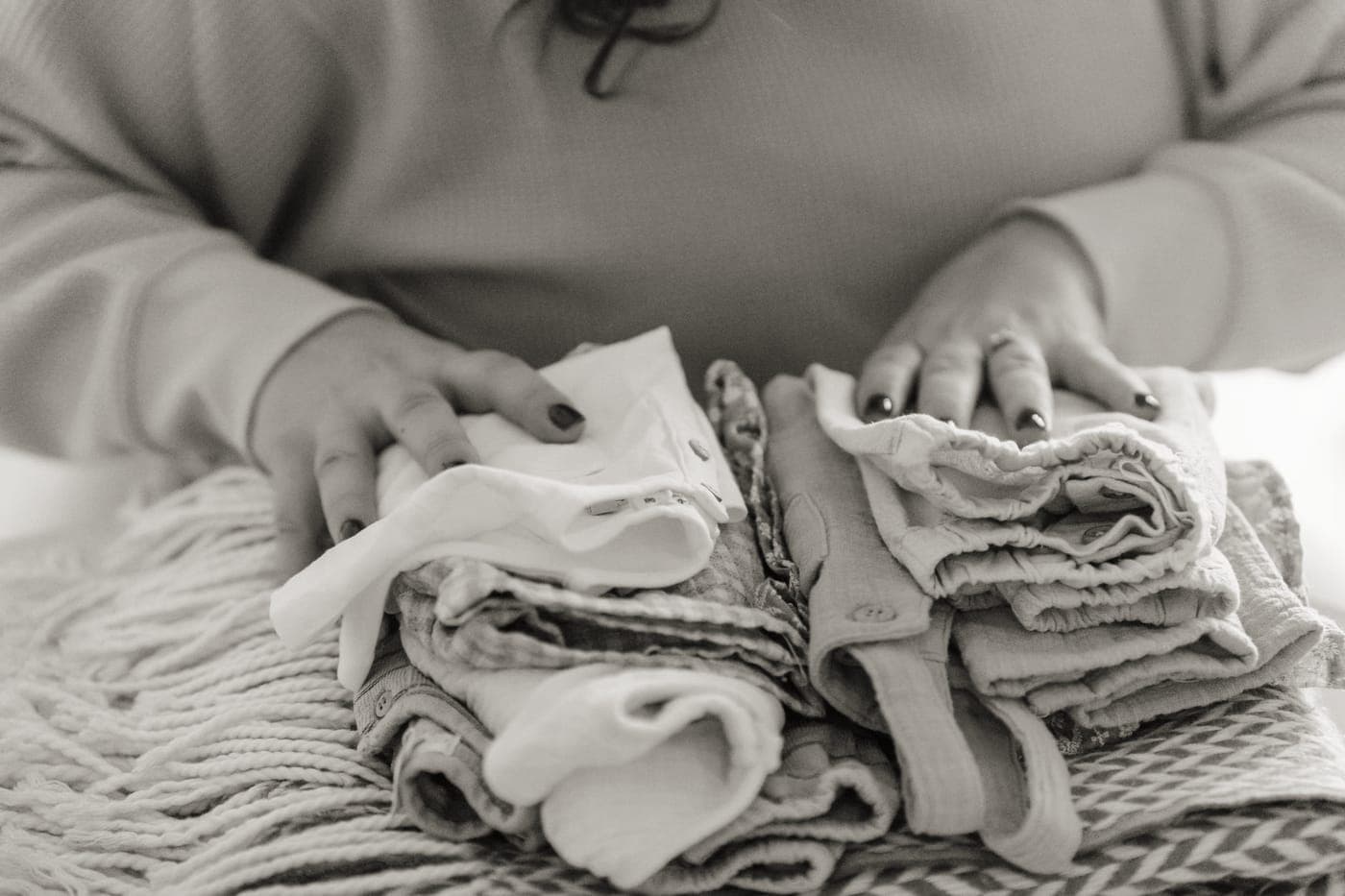
Best packing cubes
The best packing cubes
Packing cubes that earn their space, plus an honest account of what they actually do.
Top pick: Eagle Creek Pack-It Reveal Cube Set
Cubes, compression, organizers and the method that gets a week of clothes into a cabin bag without sitting on it.
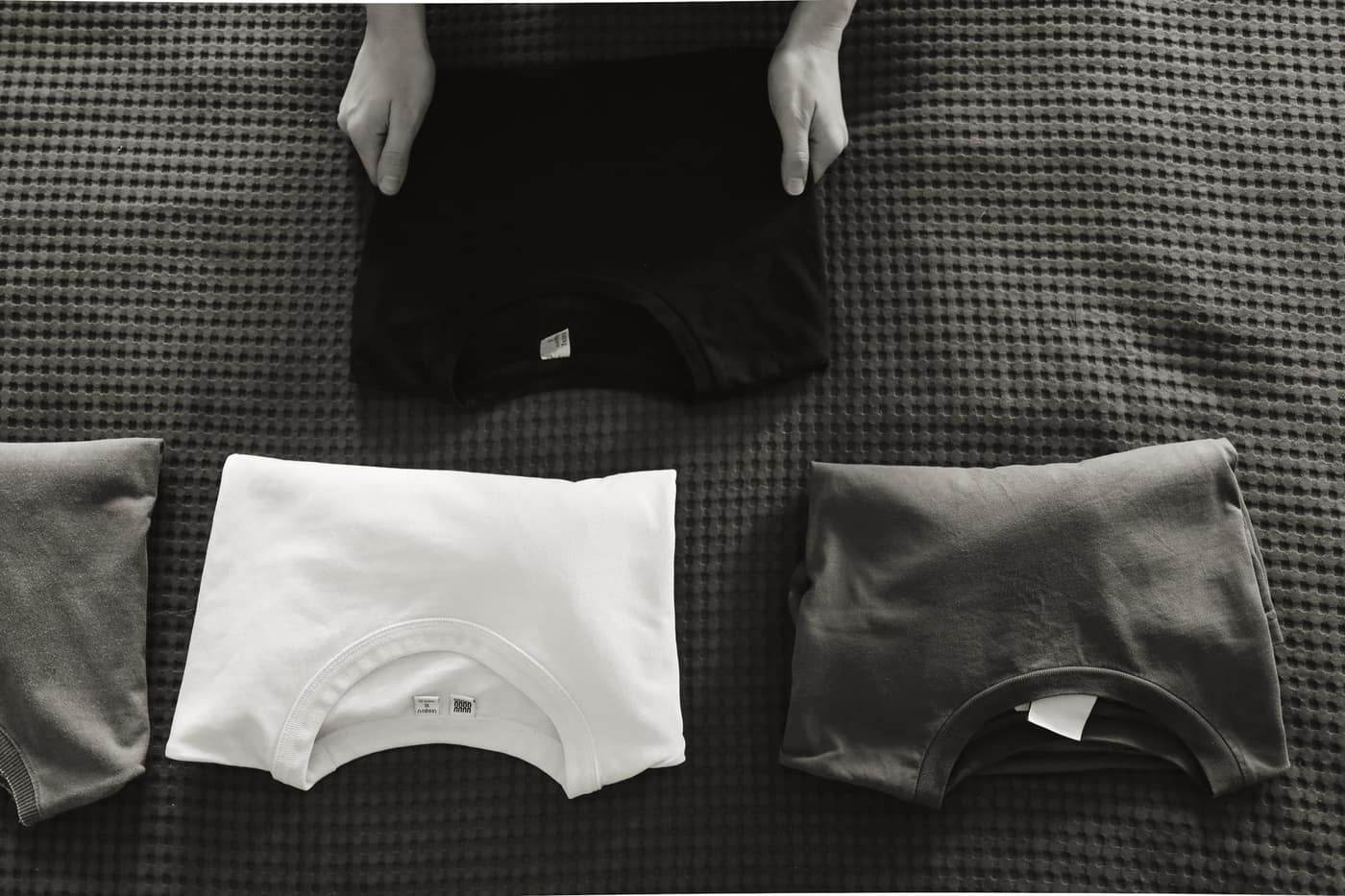
Packing gear has a credibility problem, and it is mostly self-inflicted. Cubes get sold as though they compress clothes. They do not - fabric takes up the space fabric takes up. What cubes actually do is turn a heap into blocks, which means your bag packs squarer, holds its shape, and can be unpacked at a hotel without becoming a floor installation. That is genuinely useful. It is just not the thing the marketing claims.
Compression is a different product with a different job. Compression cubes and bags squeeze air out of bulky, lofty items - fleeces, puffers, towels - and they work on exactly that category and almost nothing else. Squeezing five t-shirts does nothing, because there was no air in them to begin with. Knowing which of those two problems you have is the whole decision, and it is the reason packing cubes vs compression bags exists as its own page.
All three work. Rolling suits soft knits and t-shirts and is slightly better at avoiding hard creases. Folding suits structured items - button-downs, trousers, anything you will want to look unrumpled. Cubes are not an alternative to either; they are containers for whichever one you chose. The people who insist rolling is universally superior tend not to be packing a blazer.
The genuinely underrated technique is the bundle wrap: layering garments around a central core so nothing gets a sharp fold line. It is slower, and it makes it awkward to get one item out mid-trip, so it suits a single-destination trip far better than a multi-stop one.
Best packing cubes
Packing cubes that earn their space, plus an honest account of what they actually do.
Top pick: Eagle Creek Pack-It Reveal Cube Set
Best compression cubes
Compression cubes that genuinely save space on bulky layers, and where they do nothing.
Top pick: Gonex Compression Packing Cubes
Packing comparison
Cubes organize, compression reduces volume - which one your packing problem actually needs.
Top pick: Eagle Creek Pack-It Reveal Cube Set
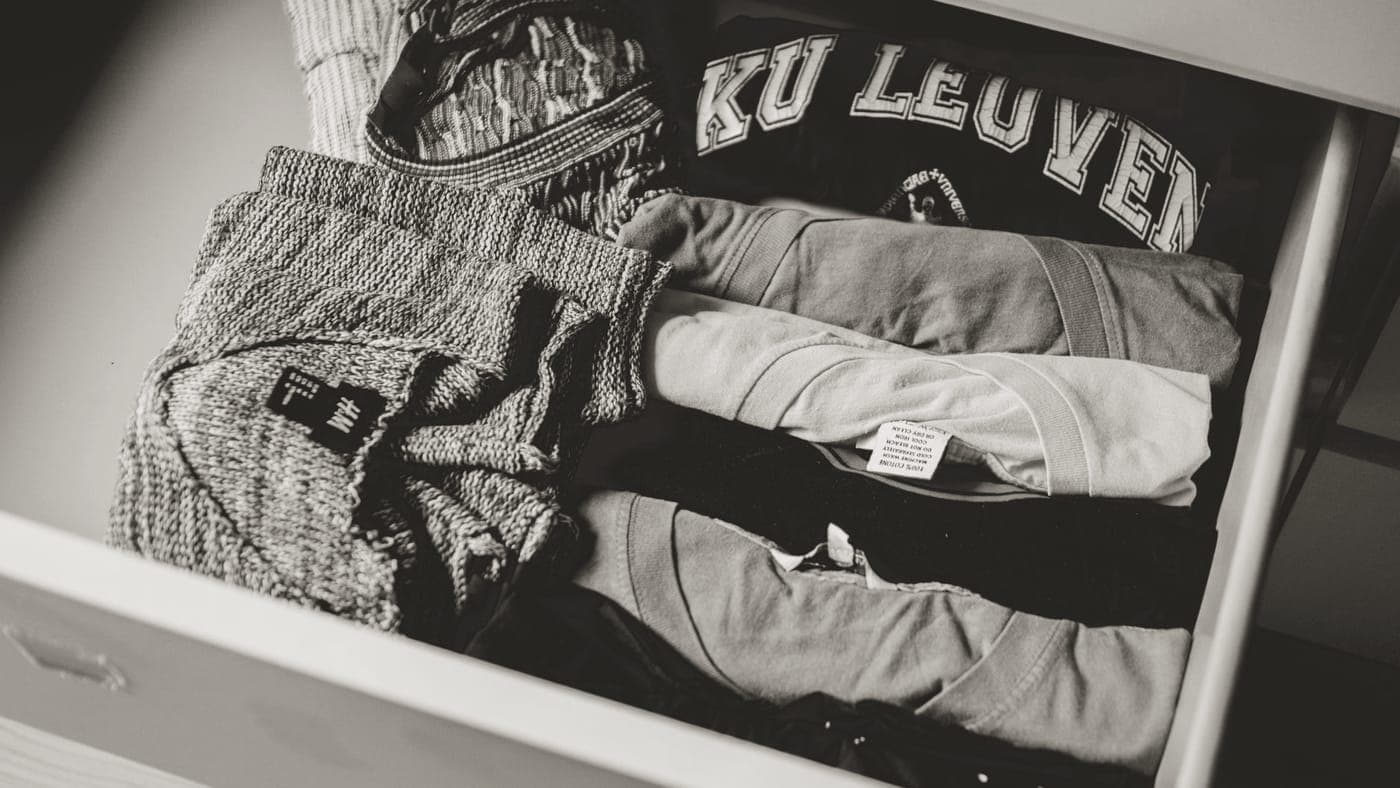
Best organizer
Travel organizers beyond cubes: shelf systems, folders and pouches that earn their weight.
Top pick: Eagle Creek Pack-It Reveal Cube Set
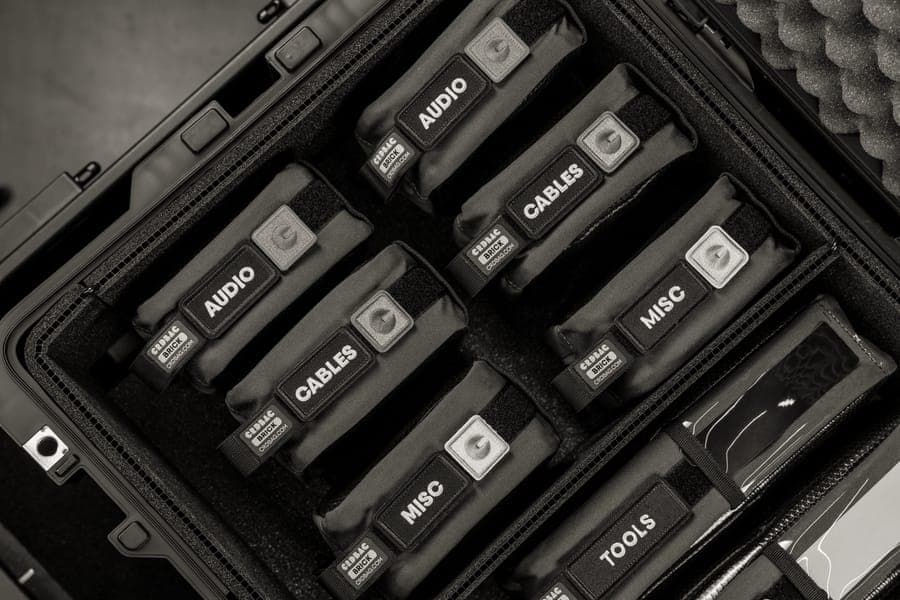
Best tech organizer
Cable and tech organizers that keep chargers findable and speed up security screening.
Top pick: Bagsmart Electronic Organizer
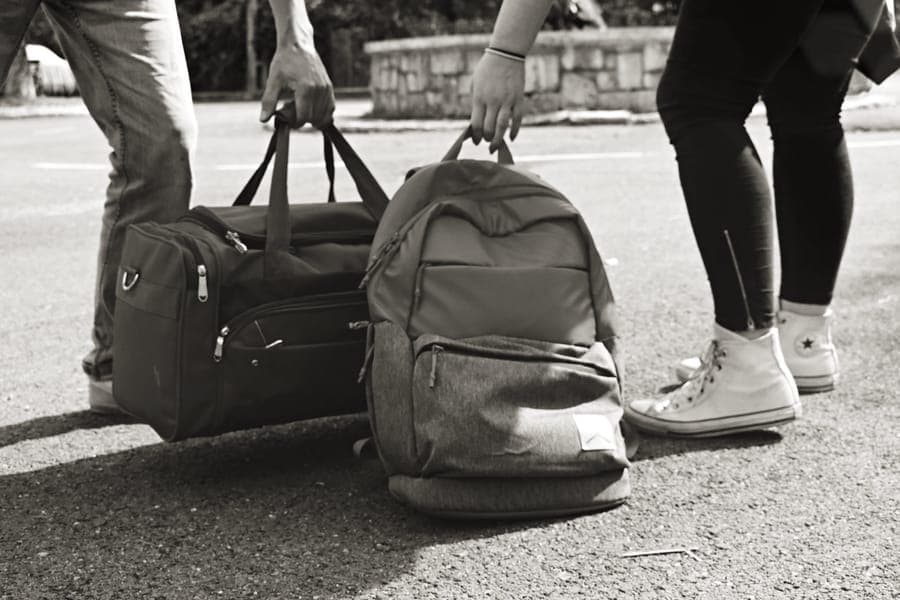
Best shoe bag
Shoe bags that contain dirt and damp, including waterproof options for wet footwear.
Top pick: YAMIU Travel Shoe Bags (Set of 4)
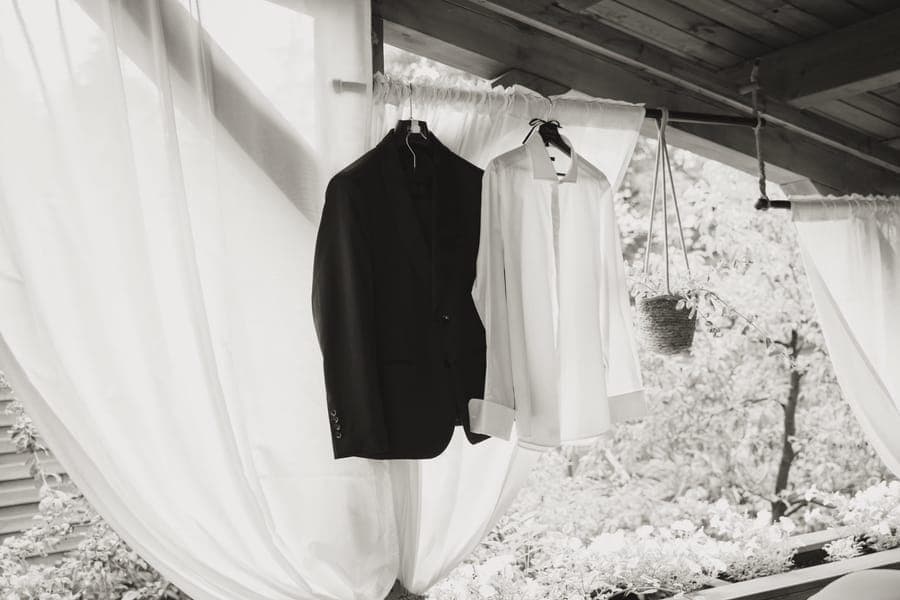
Best garment bag
Garment bags for suits and dresses, including carry-on-sized options that clear limits.
Top pick: Modoker Convertible Garment Bag
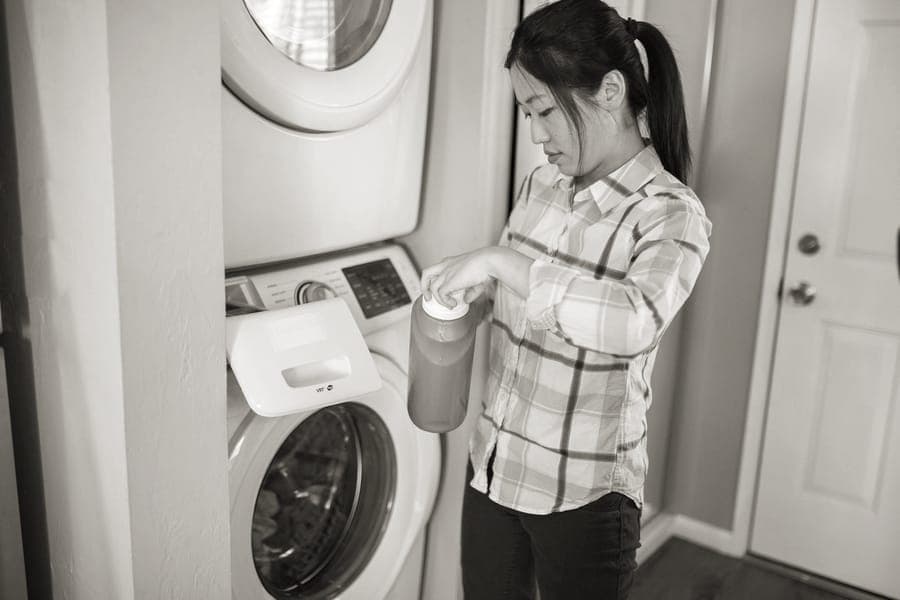
Best laundry kit
Detergent sheets and a sink-wash kit that extends a carry-on from one week to two.
Top pick: Laundry Detergent Sheets for Travel
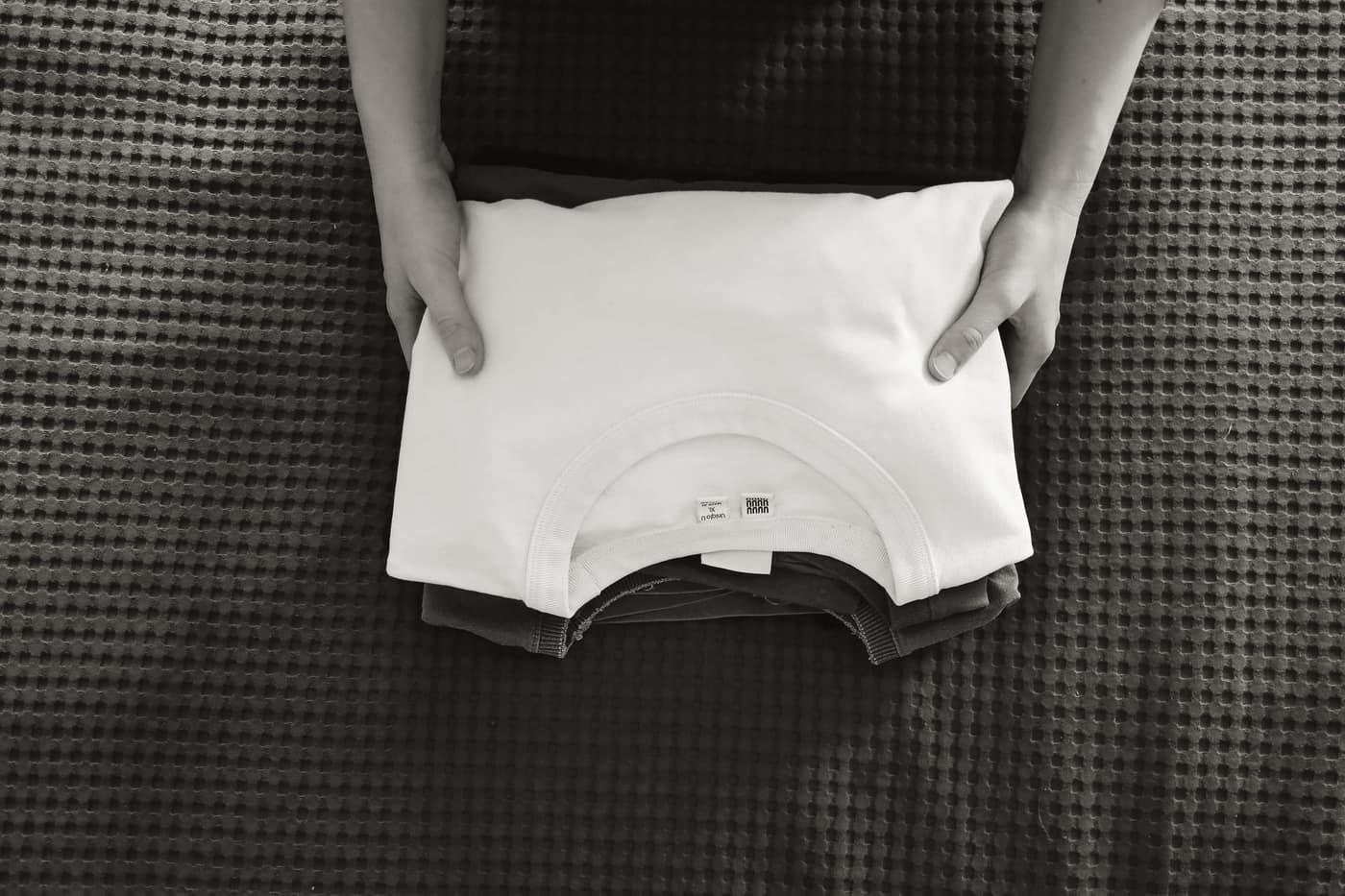
Packing method
The step-by-step carry-on packing method, plus what actually fits for 3 to 10 days.
Top pick: Travelpro Platinum Elite 21-inch Expandable Carry-On Spinner
Week in a carry-on
The exact clothing count for a week in a carry-on, summer and winter, plus what breaks it.
Top pick: Travelpro Platinum Elite 21-inch Expandable Carry-On Spinner
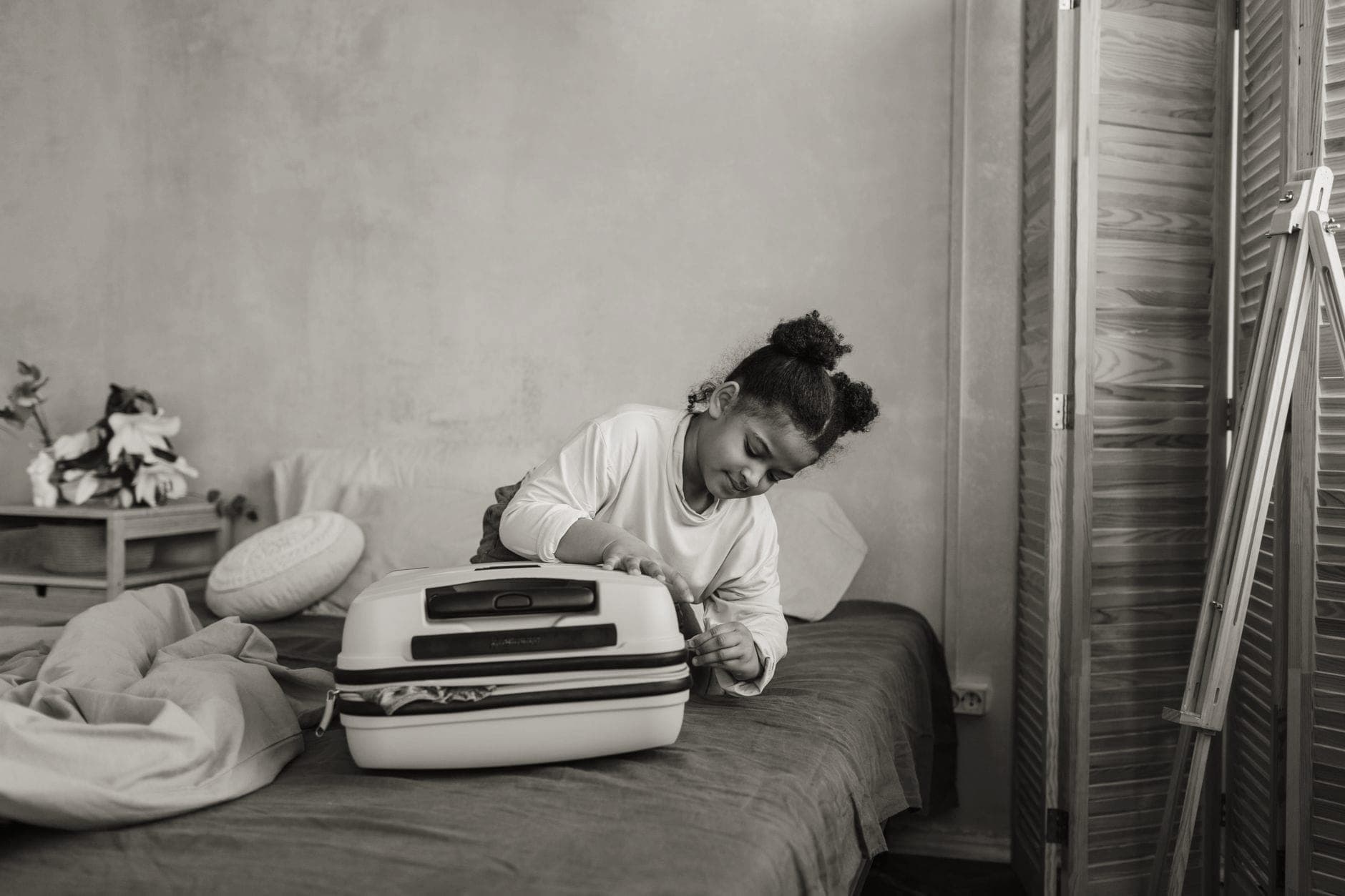
Packing list
A complete carry-on-only list by category, with variations for beach, cruise and audience.
Top pick: Travelpro Platinum Elite 21-inch Expandable Carry-On Spinner
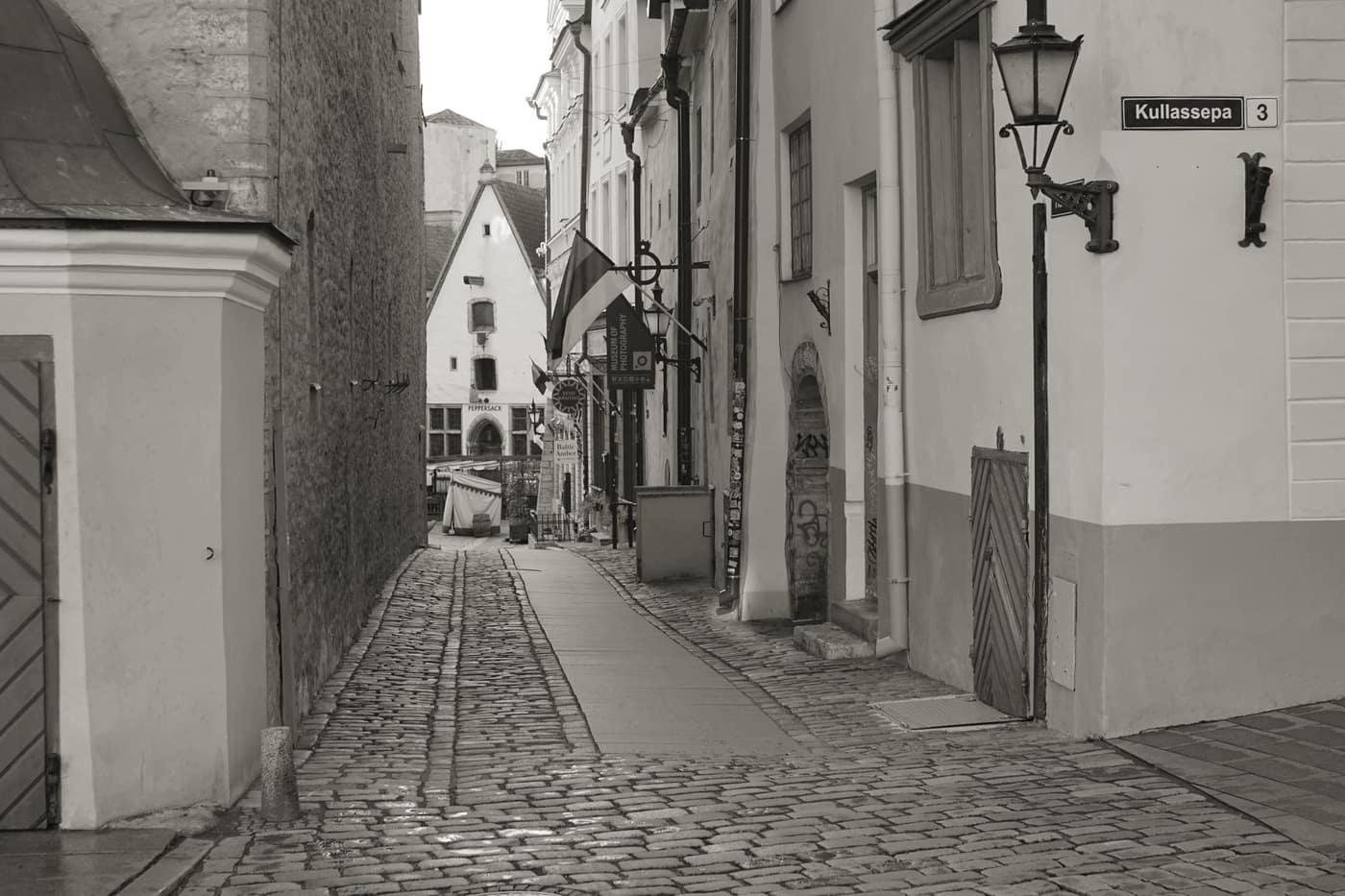
Europe list
A Europe list built around walking, layers and plugs, with seasonal and country variations.
Top pick: Epicka Universal Travel Adapter
Every recommendation here has a rule attached: a size limit, a liquid limit, or a battery limit. These are the pages that tell you what you will actually be measured against at the gate.
For most people, comfortably: a week. Seven days of clothes fits in a 38 to 42 liter cabin bag without heroics, provided you are not packing a separate outfit for each evening and you are willing to do one sink wash or one laundromat visit on a longer trip. Two weeks is possible and it is a different kind of trip - you are committing to laundry, and to wearing things twice.
The thing that breaks the plan is almost never clothing volume. It is shoes, which are bulky and heavy and which people bring three pairs of, and liquids, which are constrained by rule rather than by space. Solve those two and the carry-on-only trip stops feeling like a sacrifice. Solid toiletries are the single biggest lever on the liquids half of that problem.
If you are packing for a specific trip rather than in general, start from the destination list: Europe packing list for multi-city train travel, or how to pack for a week in a carry-on for the standard seven-day case.