How to pack a carry-on
Nine steps, in the order that matters. The liquids come first, the clothes come third, and the last ten percent of capacity is in the dead space.
By Michael W. · Last updated September 14, 2026
We earn a commission when you buy through our links, at no extra cost to you. It never changes what we pick or how we rank it. How we’re funded.
Most people pack a carry-on in the wrong order, and it costs them the trip. They start with clothes, fill the bag, then discover the toiletries do not fit the liquid rule and the shoes have nowhere to go. Reversing that order - constraints first, clothes third - solves it without any change in what you bring.
The other thing worth saying up front: a 22 x 14 x 9 carry-on holds about 40 liters, which is genuinely a week of clothes for most people. If your bag will not close, the problem is almost never technique. It is shoes, or liquids, or simply too many shirts - and each of those has a specific fix below.
What actually fits, by trip length
| Days | Tops | Bottoms | Underwear and socks | Shoes | Laundry needed? |
|---|---|---|---|---|---|
| 3 | 3-4 | 2 | 4 each | 2 pairs (1 worn) | No |
| 5 | 5 | 2-3 | 6 each | 2 pairs (1 worn) | No |
| 7 | 6 | 3 | 7 each | 2 pairs (1 worn) | No |
| 10 | 6-7 | 3 | 7 each | 2 pairs (1 worn) | One sink wash |
| 14 | 7 | 3 | 7 each | 3 pairs (1 worn) | One proper wash |
The pattern to notice: past seven days the numbers stop growing. You do not pack fourteen shirts for fourteen days, you pack seven and wash once. That single decision is what makes a two-week carry-on trip possible, and the kit that enables it weighs a few ounces - see the travel laundry kit.
Packing for 3 or 4 days
The easy case, and the one where people most often over-pack because there is room. Three or four days needs one pair of shoes beyond what you are wearing, three or four tops, and two bottoms. You will wear the same trousers three times and nobody will notice.
For a trip this short, consider whether you need a full carry-on at all. A personal item bag at 18 x 14 x 8 holds a genuine long weekend, which means you board with nothing in the overhead bin - and on Basic Economy it means you pay nothing extra.
Packing for 5 to 7 days
The standard case, and the one a 40-liter carry-on is effectively designed around. Six tops, three bottoms, a week of underwear and socks, one layer, and two pairs of shoes including the ones you fly in.
The thing that goes wrong here is outerwear. A coat takes the volume of four shirts, so wear it rather than packing it - and if it is genuinely too warm to wear, carry it over your arm, which no airline counts as baggage. That single move is worth more than any packing technique.
Packing for 10 days
This is the point at which you stop packing more and start planning one wash. Ten days of clothes does not fit a carry-on; seven days plus a sink wash does, comfortably, and the kit is detergent sheets and a clothesline.
Plan the wash for a day you are staying put, because laundry and a travel day do not combine. The method is in the travel laundry kit - the step people skip is rolling each item in a dry towel before hanging it, which is what decides whether things are dry by morning.
Packing a carry-on in winter
Cold weather roughly halves what fits, because a coat, a fleece and boots take the volume of most of a summer week. The three techniques that work:
- Wear the bulkiest items on the plane. Coat, boots, the heaviest sweater. None of it counts as baggage and it is the single biggest saving available.
- Compress what remains. Compression cubes genuinely work on fleeces and puffers, because those are mostly trapped air. They do nothing for shirts.
- Layer instead of packing separately. Three thin layers are warmer than one thick one and pack far smaller. A merino base layer takes almost no space and does most of the work.
What not to do
- Do not pack an outfit per day. It is the single most reliable way to double your clothing, because it stops you counting items.
- Do not use the expansion zip. On every airline in our size table, an expanded carry-on is over the limit - and Alaska says so explicitly.
- Do not pack liquids in the middle of the bag. They may need to come out, and they leak. Top of the bag, in a sealed pouch.
- Do not bring a third pair of shoes. They are the bulkiest and heaviest thing you can pack and you will wear two pairs.
- Do not save packing for the morning of the flight. Decanting toiletries at 6am in a departures hall is how people end up buying travel-size shampoo at airport prices.
The final check before you leave
- Close the bag and measure it, including wheels. If it bulges, it measures larger than its empty dimensions and that is what a gate sizer sees.
- Weigh it if you are flying internationally or on Frontier - see best luggage scales. A 7 kg cabin limit is easy to exceed without noticing.
- Check the liquids bag closes properly. An overfilled quart bag that will not seal is a failed bag even if every container inside it is compliant.
- Confirm your power bank is in the carry-on, not the checked bag. Spare lithium batteries are prohibited in the hold.
- Put the tech pouch and liquids where you can reach them without opening the main compartment.
Quick picks
The short list. Tap any row for the full write-up, including what each one is bad at.
| # | Product | Best for | Price |
|---|---|---|---|
| 1 | 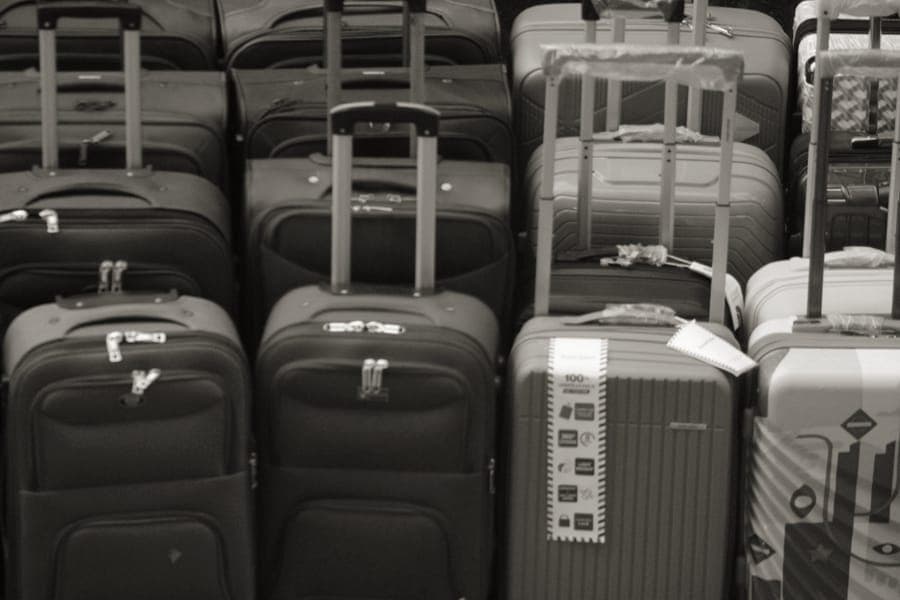 Travelpro Platinum Elite 21-inch Expandable Carry-On Spinner Front pockets mean the liquids and tech come out without opening the bag. | Most flyers | |
| 2 | 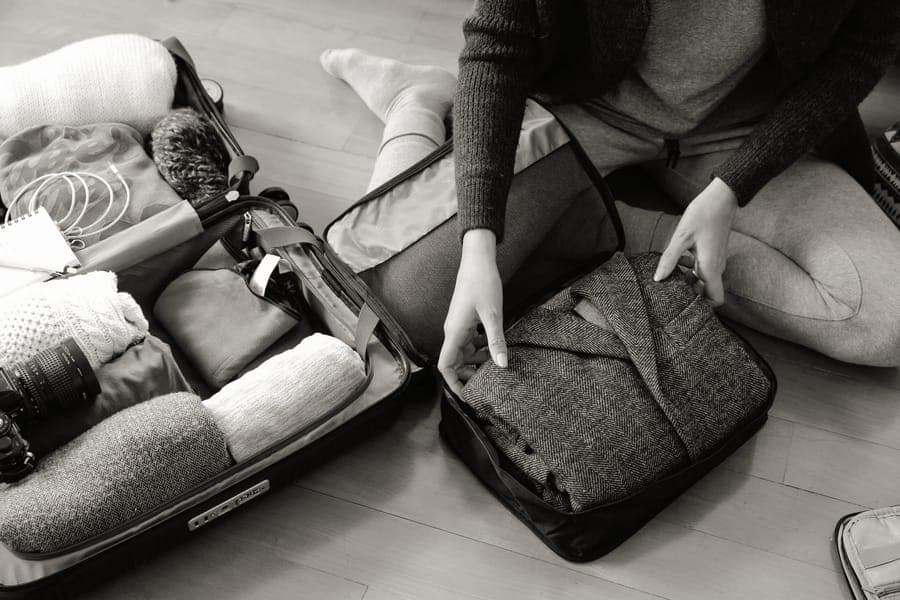 Eagle Creek Pack-It Reveal Cube Set Mesh tops so you can find the right category without opening three cubes. | Step four and six | |
| 3 | 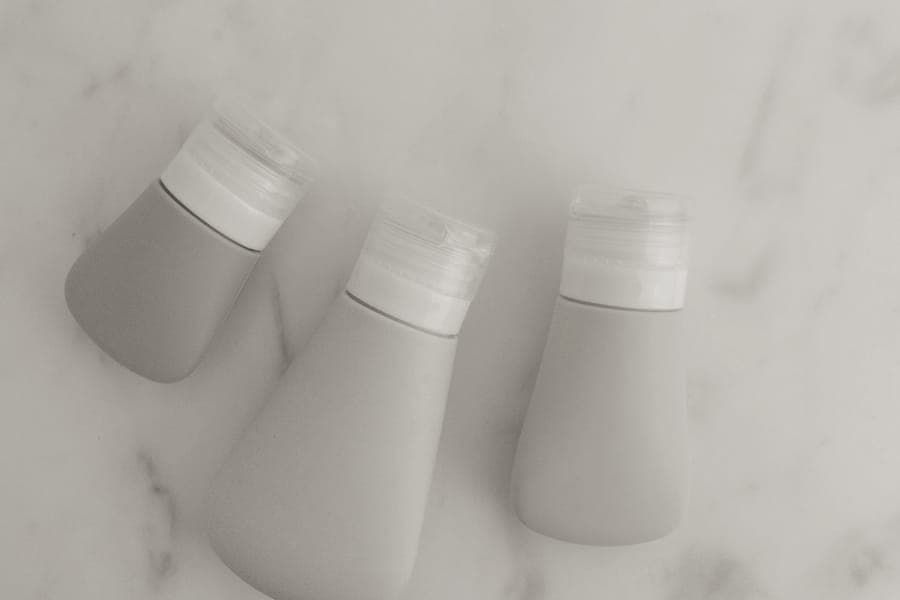 Humangear GoToob+ Silicone Travel Bottles 3 oz bottles with a valve seal, so nothing vents into your clothes at altitude. | The liquids constraint |
A carry-on built to the standard limit, with pockets for step nine
Travelpro Platinum Elite 21-inch Expandable Carry-On Spinner
Step nine of the method above is much easier on a bag with external pockets, because the liquids bag and tech pouch live somewhere you can reach rather than on top of your clothes. That is the practical advantage softside holds over a hardshell for carry-on-only travel.
The specs that decide it
- Size: Built to the 22 x 14 x 9 standard, unexpanded
- Access: Front pockets for the security-tray items
- Capacity: About 40 liters - a week for most people
Flaws but not dealbreakers
The expansion zip takes it over the carry-on limit, so treat that capacity as checked-bag only. Alaska counts expansion toward the measurement explicitly.
The cubes that make packing by category actually work
Eagle Creek Pack-It Reveal Cube Set
Packing by category only helps if you can find the categories later. Mesh-topped cubes are what make step four pay off on day four of the trip, when you want socks and do not want to unpack the bag to get them.
The specs that decide it
- Supports: Step four - packing by category rather than by day
- Visibility: Mesh tops, so you identify a cube without opening it
- How many: Two or three. Not six
Flaws but not dealbreakers
Cubes add fabric and weight for no capacity gain, and they do not compress clothes - if your bag will not close, cubes are not the fix. Fewer clothes is.
The bottles that make step two survivable
Humangear GoToob+ Silicone Travel Bottles
Step two is where carry-on plans fail, and the failure is usually either a container that is too large or one that leaks. Properly sealed 3 oz bottles solve both - under the limit by design, and with a closure that survives a cabin pressure change.
The specs that decide it
- 3-1-1 status: Compliant - 3 oz is under the 3.4 oz container limit
- Seal: Valve closure, which is what stops pressure-driven leaks
- Labeled: Printed size on the bottle, so nothing to argue about at the bin
Flaws but not dealbreakers
Fiddly to clean properly, and thick products like conditioner are slow to squeeze through a narrow neck. They also cost several times what generic squeeze bottles do.
Frequently asked questions
How do you pack a carry-on efficiently?
How many outfits fit in a carry-on?
Should I roll or fold clothes in a carry-on?
Can I pack a week in a carry-on?
Where should heavy items go in a carry-on?
What should I pack last?
Read next
- Carry-on only packing list
- Best packing cubes
- TSA liquid rules
- Best carry-on luggage
- Carry-on size by airline
- Best travel laundry kit
More in Packing, or see every roundup and comparison on the site.