The best packing cubes
Cubes do not create space. They turn a heap into blocks, which is a smaller benefit than the marketing claims and a bigger one than the skeptics allow.
By Michael W. · Last updated September 18, 2026
We earn a commission when you buy through our links, at no extra cost to you. It never changes what we pick or how we rank it. How we’re funded.
Packing cubes are sold as a way to fit more in your bag. They are not, and it is worth getting this straight before you buy: fabric takes up the space fabric takes up. A standard cube has no mechanism to reduce the volume of your clothes, and any listing suggesting otherwise is describing a compression cube, which is a different product.
What cubes actually do is turn a heap into blocks. A bag packed in blocks uses its corners, holds its shape, and does not redistribute itself into a lump every time you move it. On a soft bag that genuinely affects whether it clears a gate sizer. And in a hotel room, a cube is the difference between unpacking and putting three rectangles in a drawer.
You need two or three, not six
Six-piece sets are sold because sets sell. Most people use a medium for tops, a medium or small for bottoms and underwear, and occasionally a small for chargers or laundry. The rest live in a cupboard with the third suitcase from the set.
Quick picks
The short list. Tap any row for the full write-up, including what each one is bad at.
| # | Product | Best for | Price |
|---|---|---|---|
| 1 | 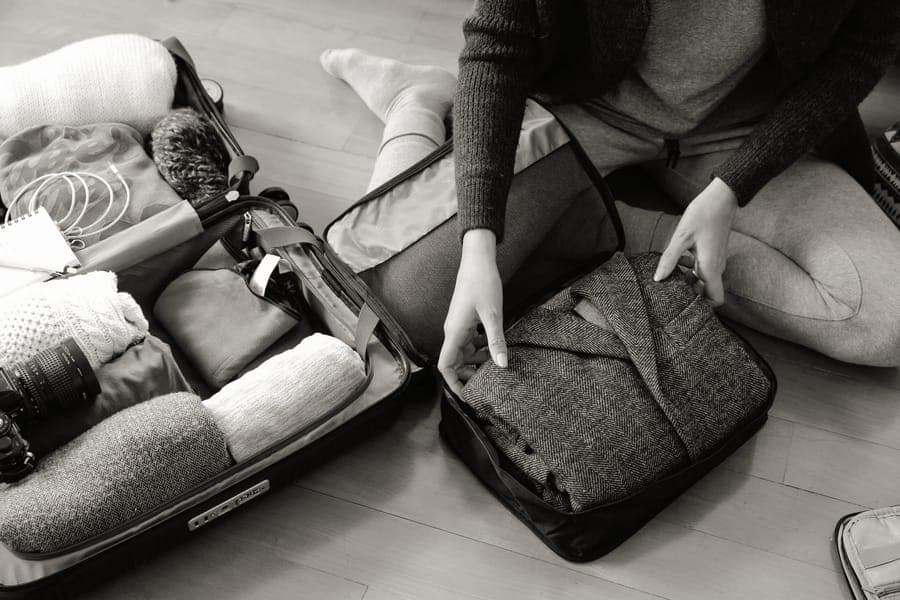 Eagle Creek Pack-It Reveal Cube Set Mesh tops so you can identify a cube at a glance, in the sizes people actually use. | Most travelers | |
| 2 | 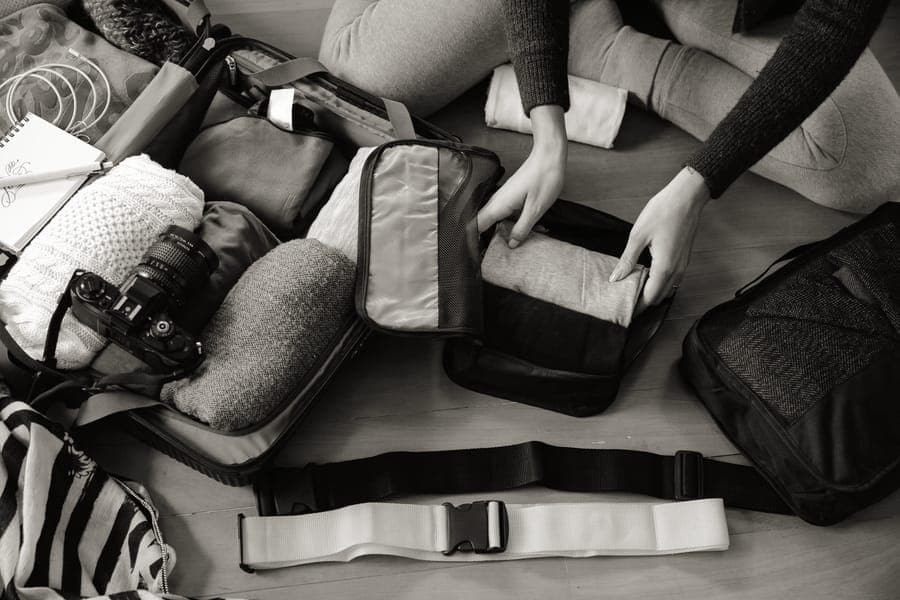 Bagail 6-Set Packing Cubes Generic, mesh-topped, and functionally very close to the expensive ones. | First-time cube buyers | |
| 3 |  Gonex Compression Packing Cubes A second zip squeezes air out of fleeces and puffers. Useless on t-shirts. | Bulky layers | |
| 4 |  Peak Design Packing Cubes Structured cubes that hold form in a pack, where soft cubes just settle. | Travel backpacks | |
| 5 | 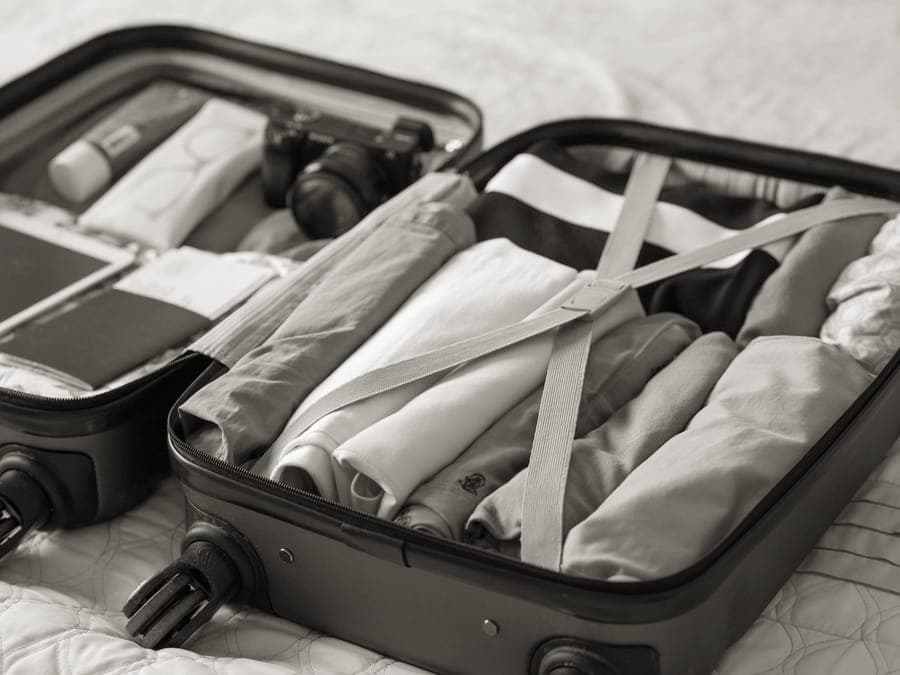 Eagle Creek Pack-It Isolate Laundry Cube A dedicated laundry cube, which is the problem cubes solve best of all. | Dirty clothes |
The ones you can see into without opening
Eagle Creek Pack-It Reveal Cube Set
The single most useful feature in this category is a mesh top, because it means you can find the cube you want without opening three. Eagle Creek has been making these longer than almost anyone and the construction reflects it - the zips are the part that fails on cheap cubes, and these are the reason to pay more.
The specs that decide it
- Visibility: Mesh tops - identify contents without opening
- Sizes: The two or three sizes people actually use, rather than a six-piece set
- Build: Zips are the failure point on cubes, and these are properly made
Flaws but not dealbreakers
Considerably more expensive than generic cubes that do the same core job, and mesh panels tear if you catch them on something. The mesh also means clothes are visible, which some people dislike at a security inspection.
The ones that do the job for a fraction of the price
Bagail 6-Set Packing Cubes
Cubes are a simple product and the budget versions are genuinely close to the premium ones in everyday use. If you have never used cubes and are not certain you will like them, spending a lot to find out is a poor bet. These do the core job well.
The specs that decide it
- Contents: Six pieces - you will use two or three of them
- Visibility: Mesh tops
- Cost: A fraction of the premium sets for the same core function
Flaws but not dealbreakers
The zips are where budget cubes fail, and a cube with a broken zip is a bag with no closure. Fabric is also thinner, so a stuffed cube bulges more than a well-made one, which slightly undercuts the squaring benefit you bought them for.
The ones that genuinely do save space - on the right clothes
Gonex Compression Packing Cubes
Compression cubes work on lofty items - fleeces, puffer jackets, towels, sweaters - because those contain air that can be removed. They do essentially nothing for five folded t-shirts, which had no air in them to begin with. Buy these for cold-weather trips, not as a general upgrade.
The specs that decide it
- Mechanism: A second zip that closes down the cube and forces air out
- Works on: Fleeces, puffers, towels, sweaters - anything lofty
- Does nothing for: T-shirts, jeans, anything already dense
Flaws but not dealbreakers
Compressed clothes come out creased, and a compression cube full of wool is heavier per liter than you expect - which matters if the airline weighs your bag. The second zip is also an additional failure point.
The ones designed for a bag with no rigid shape
Peak Design Packing Cubes
Cubes matter more in a pack than in a suitcase, because a pack has no rigid shell holding contents in position - without cubes the load shifts as you walk. Cubes that keep their own shape do that job properly, where thin soft cubes slump into the same heap they were meant to prevent.
The specs that decide it
- Structure: Holds shape - which is the point in a frameless pack
- Feature: Expands or compresses depending on what you have packed
- Suits: Travel backpacks and duffels rather than hardside cases
Flaws but not dealbreakers
Structure means material, and material means weight - these are heavier than plain cubes for the same capacity. They are also expensive enough that the cost of a full set is a noticeable fraction of the pack's price.
The one cube everyone should own regardless
Eagle Creek Pack-It Isolate Laundry Cube
Even people who do not use cubes for packing should own one for laundry. The alternative - a plastic bag, or worn clothes mixed back in with clean ones - is genuinely unpleasant by day four. A cube that seals keeps the problem contained and goes straight into the machine at home.
The specs that decide it
- Purpose: Separates worn clothes from clean ones
- Why it matters: The one cube function nothing else replaces
- Use: Empties straight into a washing machine at the end of the trip
Flaws but not dealbreakers
A sealed laundry cube traps moisture as well as smell, so damp clothes get worse rather than better inside it. Air it out at the end of each day if anything went in wet.
How they compare
| Pick | Type | Saves space? | Best in | Main flaw |
|---|---|---|---|---|
| Eagle Creek Pack-It Reveal | Standard, mesh top | No - squares the bag | Suitcases | Price |
| Bagail 6-set | Standard, mesh top | No - squares the bag | Suitcases | Zip quality |
| Gonex compression | Compression | Yes, on lofty items | Cold-weather trips | Creases, added weight per liter |
| Peak Design cubes | Structured | No - stabilizes the load | Backpacks | Heavy and expensive |
| Eagle Creek laundry cube | Sealed laundry | n/a | Every trip | Traps moisture |
What cubes actually do
- They make the bag pack squarer. A heap of clothes leaves gaps around its edges; three rectangles do not. That recovered space is real but modest - think five to ten percent, not thirty.
- They stop the load shifting. Especially in a soft bag or a backpack, where the contents otherwise redistribute every time you move and the bag changes shape.
- They make unpacking trivial. Three cubes into a drawer takes ten seconds. Unpacking a suitcase properly takes ten minutes, which is why most people never do it.
- They keep categories separate. Finding underwear on day four stops being an excavation.
- They contain a failure. A leaking bottle inside a cube ruins one cube's worth of clothes rather than the whole bag.
And what they do not do: create space. If your bag does not close, cubes will not fix it. Fewer clothes will, and so will compression cubes if the problem is bulky layers specifically.
How many cubes do you need?
| Cube | Size | Contents |
|---|---|---|
| 1 | Medium | Tops - shirts, t-shirts, base layers |
| 2 | Medium or small | Bottoms, underwear, socks |
| 3 | Small or laundry | Worn clothes, kept separate |
| Optional | Small | Chargers, cables and adapters |
That is it. Six-piece sets exist because a set is easier to sell than three cubes, not because anyone uses six. If you are buying a set, buy it knowing you are buying three cubes and some spares.
How we chose these picks
Zip quality first, because that is the only thing that fails on a cube and a cube without a working zip is nothing. Then whether you can see into it, which is the biggest usability difference in the category. Then whether the cube holds its shape, which matters in a pack and matters little in a hardside case. Then fabric weight, since cubes add weight to a bag for no capacity gain.
We do not run a testing lab and have not cycled these through a year of trips. Where a durability pattern comes from published testing by named reviewers we say so - see our methodology.
What we passed over
- Vacuum bags needing a vacuum cleaner. They work at home and become dead weight the moment you need to repack in a hotel room with no vacuum.
- Cube sets with eight or more pieces. You will use three. The rest is packaging.
- Rigid plastic-framed organizers. They add structure to a soft bag chosen for its flexibility, which cancels out the reason you bought the bag.
- Cubes without mesh or a window. Opening three cubes to find socks defeats the main practical benefit.
How to use cubes properly
- Pack by category, not by day. Outfits-per-day packing is how people end up with eleven shirts for five days. Categories force you to count.
- Fill each cube properly. A half-empty cube is a soft lump and defeats the squaring benefit entirely.
- Roll soft knits, fold structured items. Cubes are containers for either technique, not a replacement for both.
- Put the heaviest cube nearest the wheels in a suitcase, or nearest your back at shoulder height in a backpack.
- Keep one cube empty at the start as your laundry cube. It fills as the others empty.
How to pack a carry-on has the full sequence, and packing cubes vs compression bags covers when the compression version is the right tool instead.
Frequently asked questions
Do packing cubes actually save space?
How many packing cubes do I need?
Are packing cubes worth it?
Should I roll or fold clothes in packing cubes?
Do packing cubes work in a backpack?
Read next
- Packing cubes vs compression bags
- Best compression packing cubes
- How to pack a carry-on
- Best carry-on luggage
- Carry-on size by airline
More in Packing, or see every roundup and comparison on the site.