The Europe packing list
Europe rewards layers, real walking shoes and one good adapter. Here is the list, with what changes by season.
By Michael W. · Last updated September 12, 2026
We earn a commission when you buy through our links, at no extra cost to you. It never changes what we pick or how we rank it. How we’re funded.
A European trip is physically different from an American one in ways that decide what you pack. You walk far more - eight to twelve miles a day is normal in a city break. The weather changes more than the temperature does, so layers beat bulk. And the plugs are different, which is the one thing people remember and frequently get wrong by buying a converter they do not need.
The other constraint is the bag itself. European trains, station stairs and budget-carrier sizers all reward going smaller than you would domestically - best luggage for Europe covers why, and it is worth reading before you pack rather than after.
The core Europe list
Clothes - one week, temperate
- 6 tops, mostly casual, one or two smarter for dinner
- 3 bottoms - dark colors hide a day's walking better
- 7 sets of underwear and socks
- 1 mid-layer - fleece or merino sweater
- 1 waterproof shell - not optional in any season
- 1 set of sleepwear
- 2 pairs of shoes, and the main pair must be genuinely walkable
- A scarf - warmth on a train, shoulder cover for churches, a blanket on a flight
The Europe-specific additions
- A universal plug adapter. One good one, not a set of country plugs.
- A reusable water bottle. Public fountains are common across much of Europe and bottled water is a needless expense.
- A zipped crossbody or money belt for busy areas. Pickpocketing in tourist districts is real and mundane rather than dramatic.
- A day bag that is not your main luggage.
- Blister plasters. The most useful thing in this list, and the one people wish they had on day two.
- Offline maps downloaded before you go, plus your bookings saved offline.
Shoes: the thing people get most wrong
Eight to twelve miles a day on cobbles, setts and worn stone is a completely different demand from an American city with sidewalks and a car. Shoes that are fine for a US weekend will cause blisters by day two in Europe, and a blistered foot ruins a trip more comprehensively than a lost bag does.
- Break them in at home. New shoes on day one is the single most reliable way to ruin a European trip.
- Cushioning over style. Nobody is looking at your shoes; you are the one walking in them.
- Wear the heavier pair on the plane. They take the most space and none at all on your feet.
- Second pair should be different, not similar. Sandals in summer, something smarter in winter - not a second pair of trainers.
- Bring blister plasters regardless. Even broken-in shoes rub differently after ten miles on stone.
Summer in Europe
Hotter than people expect, particularly in southern Europe, and air conditioning is far less universal than in the US - many older hotels and apartments have none at all. Pack for heat you cannot escape indoors.
- Linen and light cotton over synthetics, which do not breathe in real heat
- A hat and sunglasses - shade is scarcer in old stone cities than you would think
- Shoulder and knee cover for churches and religious sites, which is enforced at major ones. A scarf does the job
- Sunscreen, counted in the quart bag
- Still bring the waterproof shell - a summer thunderstorm is a real thing
- Swimwear even for a city trip; European cities have lidos and rivers
Fall and September in Europe
September is arguably the best month to go and the trickiest to pack for, because it can genuinely be 80°F at midday and 50°F by evening in the same city. Layers are not a style preference here, they are the solution to a real problem.
- A merino base layer - it weighs nothing, packs to nothing and makes a cool evening comfortable
- A mid-layer fleece or sweater
- A waterproof shell over both - October onward, this gets used most days
- Closed shoes rather than sandals; evenings are cold on stone
- A scarf, which does more work in this season than any other item
- Slightly darker clothes, because wet weather and city walking show on light fabric
The three-layer system - base, mid, shell - covers roughly 40°F to 75°F with the same packing. That range is what makes a shoulder-season carry-on trip work.
Italy specifically
- Shoulder and knee cover is enforced at major churches including St Peter's and the Duomo. A scarf and long trousers or a midi skirt solve it. People are turned away for this daily.
- Cobbles are severe, particularly in Rome and older hill towns. Wheeled bags struggle badly - this is the country that most argues for a travel backpack.
- Summer heat is serious and air conditioning is patchy in older buildings. Pack lighter than you think for July and August.
- Trains are excellent and the luggage racks are small. Cabin-sized bags fit; large checked cases do not.
- Many fountains are drinkable - Rome's nasoni in particular. A reusable bottle pays for itself in a day.
Ten days in Europe, carry-on only
Entirely doable, and the mechanism is not packing more - it is one sink wash around day six. Ten days of clothes does not fit a 40-liter bag; seven days plus one wash does, comfortably.
- Pack the seven-day list above, unchanged.
- Add detergent sheets, which are solid and so do not touch your quart bag.
- Add a travel clothesline. Drying is the part that fails, not washing.
- Plan the wash for a night you are staying put - laundry and a travel day do not combine.
- Choose merino and synthetic tops over cotton, because they wash and dry overnight and cotton frequently does not.
That fabric choice is the part people miss. A merino t-shirt washed at 9pm is dry by 7am; a cotton one often is not, and a damp shirt packed into a bag on a travel morning is how a suitcase starts to smell.
What to leave at home
- A voltage converter, unless you are bringing a single-voltage heating appliance. Your electronics are dual voltage - check the label for 100-240V.
- A hairdryer. Almost every hotel has one, and a US single-voltage dryer will not work anyway.
- A money belt worn outside your clothes. It advertises exactly what it is hiding. A zipped inside pocket or a crossbody works better.
- Large checked luggage for a multi-city trip. It fails on stairs, on cobbles and on train racks.
- Too many smart clothes. European cities are more casual than the stereotype suggests, outside of specific restaurants.
- A full first aid kit. Pharmacies are excellent and everywhere. Bring blister plasters and your own prescriptions.
Quick picks
The short list. Tap any row for the full write-up, including what each one is bad at.
| # | Product | Best for | Price |
|---|---|---|---|
| 1 | 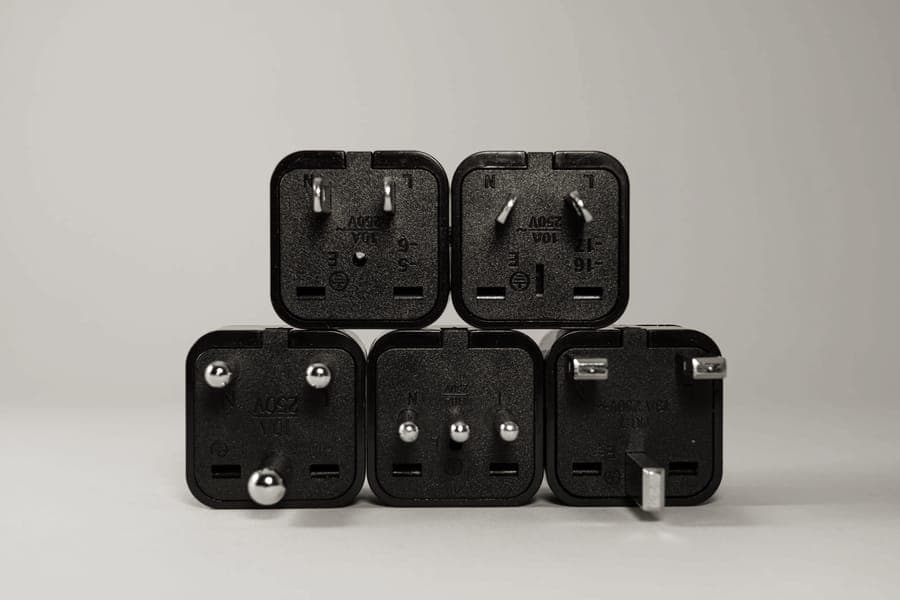 Epicka Universal Travel Adapter Plug shape only - your laptop and phone charger already handle the voltage. | Every European trip | |
| 2 | 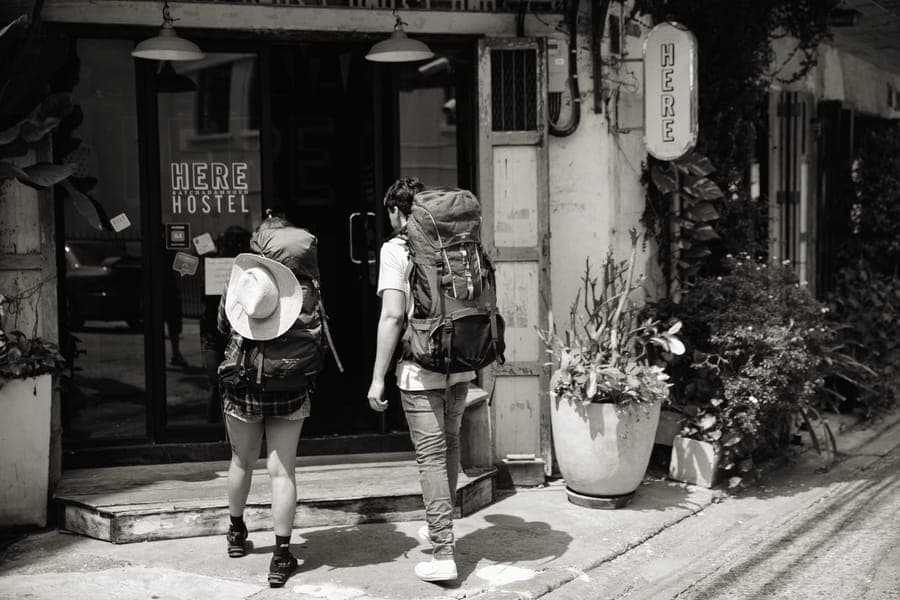 Osprey Farpoint 40 Travel Pack No wheels to catch on cobbles, light enough for a weighed cabin bag. | Multi-city trips | |
| 3 | 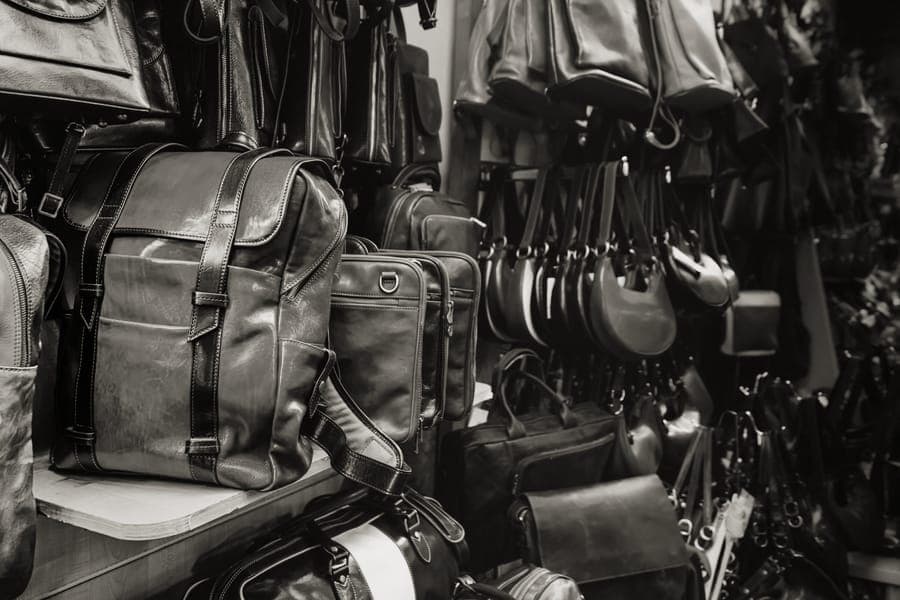 Osprey Daylite Plus Daypack Slim enough to work as your personal item and as a day bag. | City days |
The adapter, and why you almost certainly do not need a converter
Epicka Universal Travel Adapter
Everyone going to Europe, and specifically everyone about to buy a voltage converter they do not need. Phones, laptops, cameras and modern chargers are dual voltage and only need the plug shape changed. A converter is for single-voltage appliances with heating elements, which is mostly older hair tools.
The specs that decide it
- Solves: Plug shape - Type C and F across most of continental Europe
- Does not solve: Voltage. Check your device says 100-240V on the label
- Bonus: USB ports, which reduce how many bricks you carry
Flaws but not dealbreakers
Universal adapters are bulky compared to a simple country-specific plug, and they do not convert voltage - putting a single-voltage US hair tool through one will destroy it. Check the device label first.
The bag that handles stairs, cobbles and train racks
Osprey Farpoint 40 Travel Pack
If your trip involves more than one city, this is the honest answer. European stations have stairs and often no lift, the walk from the station to the apartment is frequently ten to fifteen minutes on uneven stone, and budget carriers weigh the cabin bag. A pack handles all three.
The specs that decide it
- Terrain: No wheels, so cobbles and station stairs are irrelevant
- Weight: Light - most of a 7 kg cabin allowance stays available
- Size: Fits European train racks and compresses at a budget-carrier sizer
Flaws but not dealbreakers
You carry it, and European trips involve more walking with your bag than American ones do. It is the wrong choice for anyone with back or shoulder problems, where a small light suitcase is better.
The bag you carry once the main one is at the apartment
Osprey Daylite Plus Daypack
A European trip has two bag problems: moving between cities, and carrying what you need for a twelve-mile day of walking. A slim daypack does the second and doubles as your personal item in transit, so it earns its space twice.
The specs that decide it
- Use: Personal item in transit, day bag on the ground
- Size: Clears every published US personal item limit including United's
- Profile: Slim, which matters on a crowded metro
Flaws but not dealbreakers
In busy tourist areas a backpack worn on your back is the easiest bag for someone to open without you noticing. Wear it on your front on a crowded metro, or carry a zipped crossbody instead for valuables.
Frequently asked questions
What should I pack for a trip to Europe?
Do I need a voltage converter for Europe?
What shoes should I wear in Europe?
Can I do 10 days in Europe with a carry-on?
What do I need to cover up for churches in Europe?
Is tap water drinkable in Europe?
Read next
- Best luggage for Europe
- Best travel adapters
- Carry-on only packing list
- Best travel laundry kit
- TSA liquid rules
- Best travel backpacks
More in Packing, or see every roundup and comparison on the site.