Travel adapter vs voltage converter
They are not the same device and they are not interchangeable. One costs a few dollars; the other is heavy, and most people do not need it.
By Michael W. · Last updated October 6, 2026

We earn a commission when you buy through our links, at no extra cost to you. It never changes what we pick or how we rank it. How we’re funded.
An adapter changes the shape of the plug so it fits a foreign socket. A converter changes the voltage coming out of that socket. They do completely different jobs, and for almost every device you own in 2026 you only need the adapter. Phones, laptops, tablets, cameras, electric toothbrushes and most shavers have dual-voltage power supplies that accept anything from 100 to 240 volts.
The way to be certain takes ten seconds. Read the small print on the plug or the power brick. If it says `INPUT: 100-240V`, the device handles foreign voltage on its own and an adapter is all you need. If it says a single figure - `120V` only - then plugging it into a 230-volt socket through a plain adapter will damage it, and you need a step-down converter or you need to leave it at home.
The devices that still fail that test are the ones that turn electricity into heat or motion directly: hair dryers, flat irons, curling wands, travel kettles, some older shavers and some medical devices. Those are the converter cases, and a converter rated for them is heavy.
Quick picks
The short list. Tap any row for the full write-up, including what each one is bad at.
| # | Product | Best for | Price |
|---|---|---|---|
| 1 | 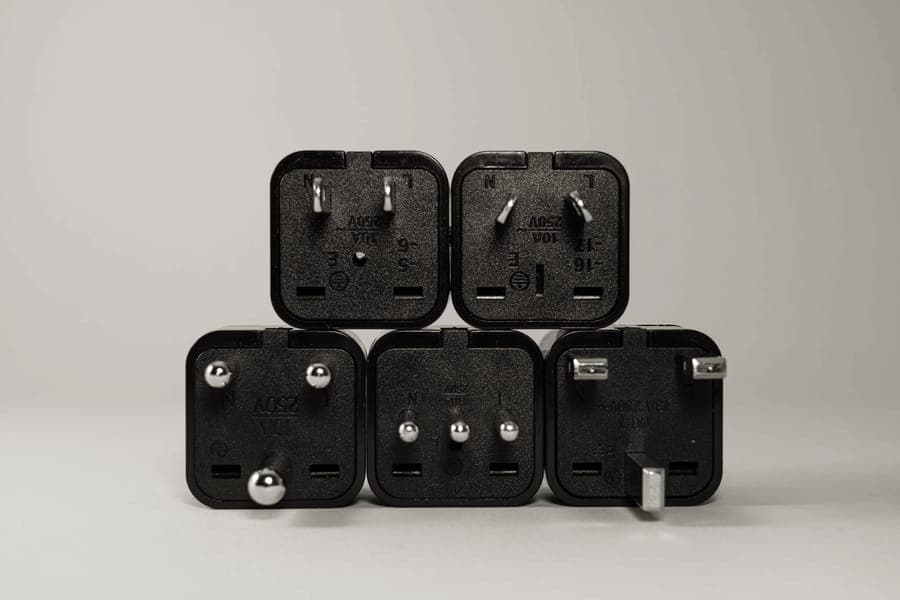 Epicka Universal Travel Adapter One body, slide-out pins for the major socket patterns, USB ports built in. | Multi-country trips | |
| 2 | 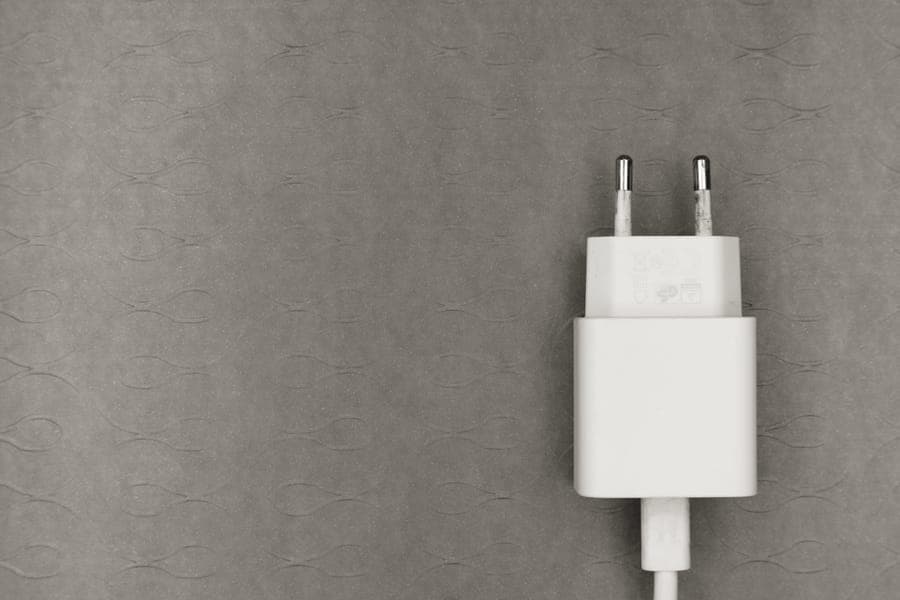 Travel Voltage Converter (Step-Down 230V to 120V) Steps 230V down to 120V so a US-only appliance can run abroad. | 120V-only devices | |
| 3 | 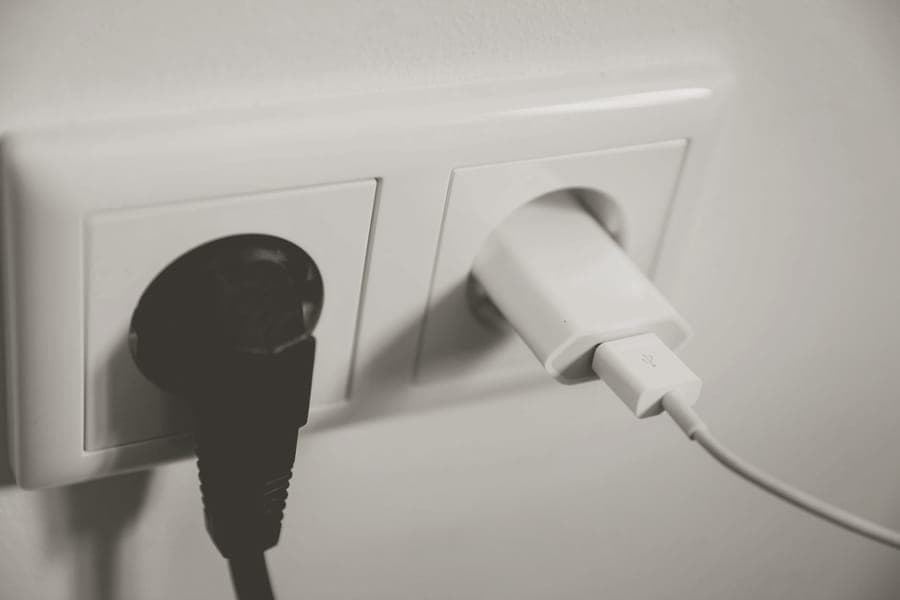 European Plug Adapter (Type C, Two-Pack) Tiny, cheap, and you can afford to carry two so you can charge two things. | Europe only | |
| 4 | 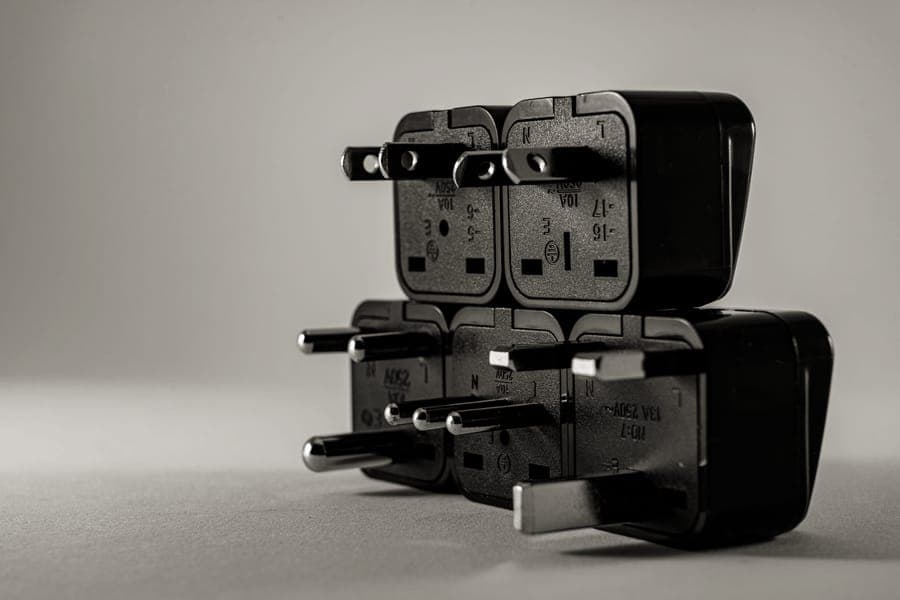 Anker Multi-Port USB Charger with Interchangeable Plugs Interchangeable plug faces plus several USB outputs - one socket, one brick. | Several devices |
The one adapter that covers almost every country
Epicka Universal Travel Adapter
Anyone visiting more than one country, or anyone who would rather own one adapter than a drawer of them. The slide-out pin sets cover the main socket patterns, and the built-in USB ports mean one wall socket charges several devices.
The specs that decide it
- Coverage: Slide-out pins for the major regional socket patterns
- USB: Built-in ports, so one socket charges several devices
- Voltage: Adapter only - it does NOT convert voltage
- Size: Single body, no loose parts to lose
Flaws but not dealbreakers
It is an adapter, not a converter, so a single-voltage hair dryer plugged into it on a 230V supply will still be destroyed. Universal bodies are also bulky and heavy in a socket, and in a loose wall outlet they sag out under their own weight.
The one for a single-voltage appliance you cannot replace
Travel Voltage Converter (Step-Down 230V to 120V)
Travelers carrying a genuinely single-voltage appliance - a professional styling tool, a specific medical device, an older shaver - that has no dual-voltage equivalent. Check the wattage rating against the appliance before you buy.
The specs that decide it
- Function: Steps 230V down to roughly 120V
- Match the wattage: The converter's rating must exceed the appliance's draw
- Weight: Heavy - a transformer is heavy by physics, not by design
- Plug: Usually needs a plug adapter as well, depending on the model
Flaws but not dealbreakers
Heavy, hot in use, and frequently under-rated for high-draw heating appliances - the exact devices people buy one for. Many styling tools now come in a dual-voltage version, which is lighter, cheaper and safer than carrying a converter.
The one if you only ever go to one place
European Plug Adapter (Type C, Two-Pack)
Travelers who only fly to continental Europe. A plain Type C adapter is a fraction of the size and cost of a universal body, and buying a pair means you can charge a phone and a laptop at once without an extra socket.
The specs that decide it
- Coverage: Type C sockets - most of continental Europe
- Size: Small enough to lose, which is why they come in pairs
- Voltage: Adapter only - no conversion
- Grounding: Type C is ungrounded - check if your device needs an earth pin
Flaws but not dealbreakers
Useless outside its own socket pattern, and Type C is ungrounded, so a device with a three-pin grounded plug will not fit it. The UK, Ireland and Switzerland all need something else.
The one that charges everything from one hotel socket
Anker Multi-Port USB Charger with Interchangeable Plugs
Travelers with a phone, a watch, earbuds and a tablet who keep finding one usable socket behind a hotel bed. A multi-port charger with swappable plug faces replaces both the adapter and the pile of individual bricks.
The specs that decide it
- Plugs: Interchangeable faces for the major regional patterns
- Outputs: Several USB ports from one wall socket
- Voltage: Dual-voltage internally - adapter, not converter
- Replaces: The individual charging bricks for each device
Flaws but not dealbreakers
USB only, so anything with a grounded or non-USB plug still needs a separate adapter. Total output is shared across the ports, so charging four devices at once is slower than charging one.
Adapter vs converter, side by side
| Travel plug adapter | Voltage converter | |
|---|---|---|
| Changes | The plug shape only | The voltage |
| Needed for | Every foreign socket with a different pin pattern | Single-voltage devices only |
| Weight | A few ounces | Heavy - it contains a transformer |
| Typical use | Phone, laptop, camera, tablet | Hair dryer, flat iron, kettle |
| If you use the wrong one | Device simply will not fit the socket | Single-voltage device can be destroyed |
| Also supplies USB | Often, on universal models | Sometimes |
| Grounded pin | Varies by model - check for a three-pin option | Usually |
How to check a device in ten seconds
- Find the small print on the plug, the power brick or the label on the base of the appliance.
- Look for the word INPUT and the voltage range after it.
- `100-240V` means dual-voltage. An adapter is all you need, anywhere.
- A single figure - `120V`, or `120V only` - means single-voltage. A plain adapter on a 230V supply will damage it.
- If there is no label at all, assume single-voltage and leave it at home.
The frequency figure next to the voltage (50 Hz or 60 Hz) matters far less for modern switching power supplies, which is why most of them list both. Where it does matter is motors and clocks, which run slightly differently on the other frequency.
The short list of devices that still need a converter
- Hair dryers, flat irons and curling wands that are not sold as dual-voltage. These are the single most common cause of a burned-out appliance abroad.
- Travel kettles and small heating appliances bought for the domestic market.
- Older electric shavers and trimmers without a modern switching supply.
- Some medical devices. Check with the manufacturer rather than guessing - this is not the place to improvise.
For every one of these, look first for a dual-voltage version of the same product. A dual-voltage styling tool weighs a fraction of a converter and removes the failure mode entirely. That is almost always the better buy.
Match the wattage, not just the voltage
A converter rated below the appliance's draw will overheat or trip. Heating appliances draw a lot, which is why the converters that genuinely handle a hair dryer are the heavy ones. Read the appliance's wattage and buy above it.
Plug shapes are regional, not national
Most of continental Europe uses Type C two-pin sockets with Type E or F grounded variants. The UK and Ireland use the three-rectangular-pin Type G. Switzerland has its own pattern. Italy has one too. Australia and New Zealand share a third. The US and Canada use Type A and B.
A universal adapter covers that spread in one body, which is why it is the right buy if you travel widely. One-region adapters are smaller, cheaper and easier to carry in pairs - better if you always go to the same place. Best travel adapters is the full shortlist.
Where a power bank fits in
An adapter solves charging in a room. A power bank solves charging on the move, including the hours in an airport or on a train where there is no socket at all. They are complementary purchases rather than alternatives - see best power banks for travel.
Power banks are also the one electrical item with a hard airline rule attached: rechargeable lithium-ion batteries have to travel in the cabin, never in a checked bag. Power bank rules for flights sets out the watt-hour limits.
Frequently asked questions
What is the difference between a travel adapter and a voltage converter?
Do I need a voltage converter in Europe?
Will a travel adapter protect my device from 230 volts?
Can I use a hair dryer abroad with just an adapter?
Does a universal travel adapter convert voltage?
How do I know if my device is dual-voltage?
Read next
- Best travel adapters
- Best power banks for travel
- Power bank rules for flights
- Travel essentials for women
- Best luggage for Europe
- Europe packing list
More in Travel Essentials, or see every roundup and comparison on the site.