TSA liquid rules: the 3-1-1 bag explained
3.4 ounces per container, one quart bag, one bag per passenger - plus the exemptions and edge cases that decide whether you get through in one pass.
By Michael W. · Last updated September 29, 2026
We earn a commission when you buy through our links, at no extra cost to you. It never changes what we pick or how we rank it. How we’re funded.
The TSA liquids rule is 3-1-1: containers of 3.4 ounces (100 milliliters) or less, all fitting inside one quart-sized resealable bag, one bag per passenger. It applies to liquids, aerosols, gels, creams and pastes in carry-on baggage. Anything larger goes in a checked bag.
Verify with your airline before you fly
Baggage allowances change, they vary by fare class, and on a codeshare the operating carrier's rules usually apply rather than the airline you booked with. Every figure below links to the carrier's own baggage page - check it on the day. Use this table to choose a bag, not to argue with a gate agent.
The detail that costs people the most time is that the limit is the size printed on the container, not the amount inside it. A 6 oz bottle with an inch of shampoo left is a 6 oz container, and it will be pulled. Decanting into a 3.4 oz bottle solves it; squeezing the big bottle flat does not.
What counts as a liquid
Broader than most people expect. The rule covers liquids, aerosols, gels, creams and pastes - so it catches a lot of things that do not pour.
| Item | Counts as a liquid? | Note |
|---|---|---|
| Toothpaste | Yes | It is a paste. Tube must be 3.4 oz or less |
| Toothpaste tablets | No | Solid - leaves the quart bag entirely |
| Stick deodorant | No | Solid stick is unrestricted |
| Gel, roll-on or aerosol deodorant | Yes | 3.4 oz max, in the quart bag |
| Bar soap and shampoo bars | No | Solid - not restricted |
| Sunscreen (lotion or spray) | Yes | Frequently forgotten, frequently confiscated |
| Mascara and liquid foundation | Yes | Powder and pressed makeup are not |
| Hand sanitizer | Yes | TSA has allowed a larger single container at times - check current guidance |
| Peanut butter, yogurt, soft cheese | Yes | Spreadable foods are treated as gels |
| Medication (liquid) | Exempt | Declare it; reasonable quantities allowed |
| Baby formula and breast milk | Exempt | Declare it; child does not need to be present |
The quart bag itself
One bag, per passenger, quart-sized - roughly 7 by 8 inches. It has to close. An overstuffed bag that will not seal is a failed bag even if every container inside it is compliant, and this is the most common reason people get sent back to repack.
A reusable clear pouch is fine and is better than a disposable zip bag in every respect except one: some officers are stricter about pouches that are noticeably larger than a quart. Buy one sold specifically as TSA-compliant and keep it genuinely quart-sized.
One bag per passenger means a family of four gets four bags - which is a lot of capacity if you plan it. Shared items like sunscreen and toothpaste can be spread across the bags rather than crammed into one.
Liquids in checked bags
The 3-1-1 rule does not apply to checked baggage. Full-size shampoo, a liter of contact solution, a bottle of wine - all fine in a checked bag as far as the liquid rule is concerned.
The constraints that do apply to checked bags are different ones: aerosols are limited in quantity, flammable liquids are restricted or prohibited outright, and alcohol above a certain proof is limited. And the practical constraint is leakage - cabin pressure changes push product out of any container that is not sealed properly. Tape the caps, bag the bottles, and do not check anything you would mind losing to a burst seal.
TSA PreCheck and the newer scanners
In a PreCheck lane you generally leave the quart bag inside your carry-on rather than placing it separately in a bin. That is a screening convenience, not a change to the rule - the 3.4 oz container limit still applies, and PreCheck does not let you bring a full-size bottle.
Some checkpoints have newer computed-tomography scanners that image the bag in three dimensions and no longer require liquids to be removed. Deployment is partial and uneven, so the practical advice is unchanged: pack the quart bag where you can get at it quickly, and be pleasantly surprised when you do not need to.
How the rule differs outside the US
The 100 ml container limit is close to universal internationally, which is why travel bottles are sold at that size worldwide. What varies is the bag - some countries specify a one-liter bag rather than a US quart, which is very slightly larger - and how strictly the seal-and-present routine is enforced.
Several airports, particularly in the UK and EU, have installed next-generation scanners and at times relaxed the liquid limit, then reinstated it when equipment was withdrawn from service. The position has changed more than once. Check the rules for the specific airport you are departing from, on the day you fly - and do not assume the outbound rule applies to the return.
Duty-free liquids bought airside are a separate category, usually sealed in a tamper-evident bag with the receipt inside. That seal has to remain intact, which matters if you have a connection - some countries will re-screen you and confiscate an opened duty-free bag.
What changed recently
The 3-1-1 rule itself has been stable in the US for years. What has changed around it is the screening technology and the treatment of a few specific categories - hand sanitizer allowances were temporarily relaxed during the pandemic and have since been revisited, and the rollout of CT scanners continues to change what has to come out of your bag.
Because the rule is stable but its enforcement is not, the reliable approach is to pack to the strict version of the rule and treat any relaxation you encounter as a bonus. That is cheaper than repacking at a bin.
Gear that makes the rule painless
The rule is much easier to live with if you buy around it rather than fight it:
- Best travel toiletry bottles - 3.4 oz containers that do not leak at altitude.
- Solid toiletries for travel - shampoo bars and toothpaste tablets leave the quart bag entirely.
- Best toiletry bags - a clear quart pouch inside a wipe-clean dopp kit is the setup that works.
- Travel size toiletries guide - when to buy travel sizes rather than decant.
- How to pack toiletries - the sequence that stops leaks and speeds up screening.
Quick picks
The short list. Tap any row for the full write-up, including what each one is bad at.
| # | Product | Best for | Price |
|---|---|---|---|
| 1 | 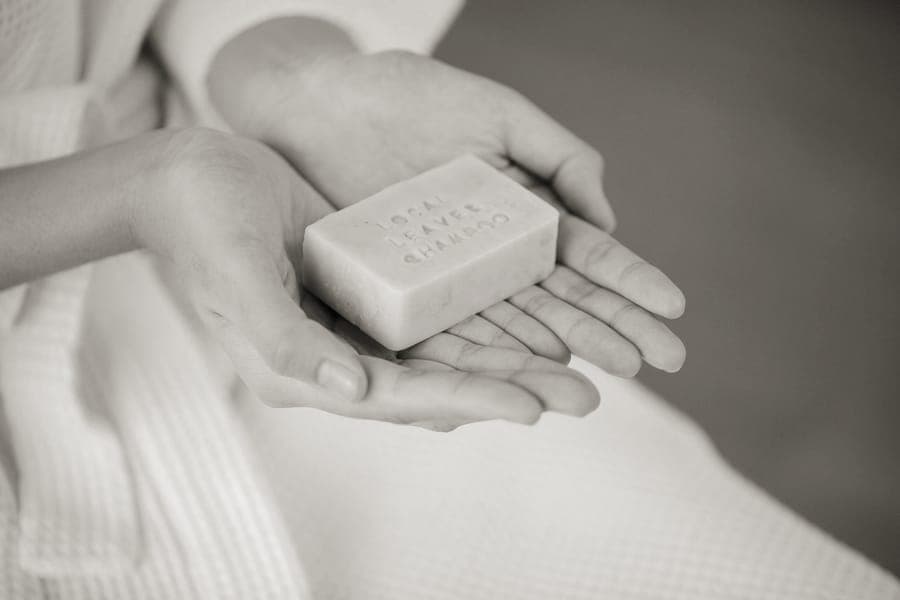 Ethique Shampoo Bar A solid bar is not a liquid, so it never enters the 3-1-1 calculation at all. | Anyone flying carry-on only | |
| 2 | 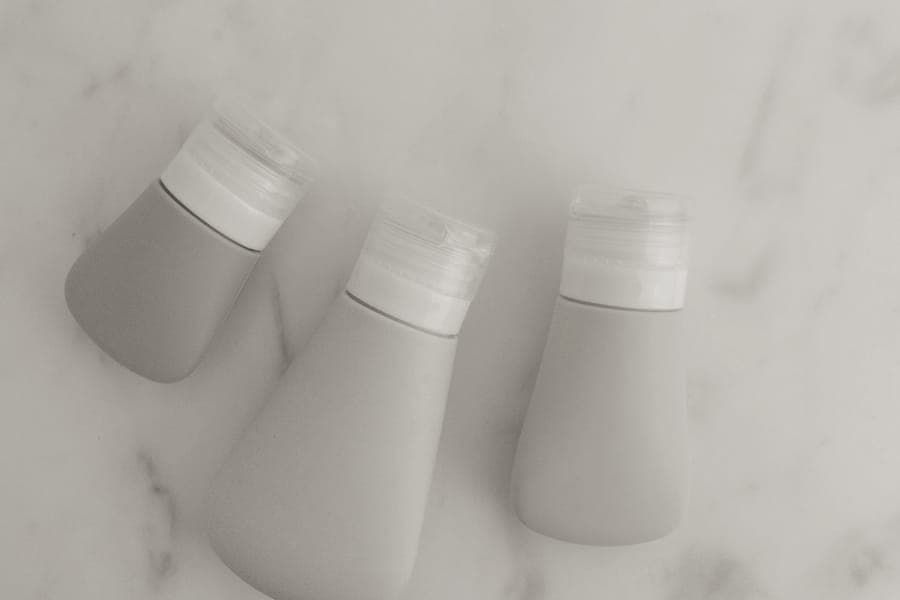 Humangear GoToob+ Silicone Travel Bottles 3 oz silicone bottles with a valve seal, sized under the 3.4 oz limit by design. | Decanting what you already use | |
| 3 | 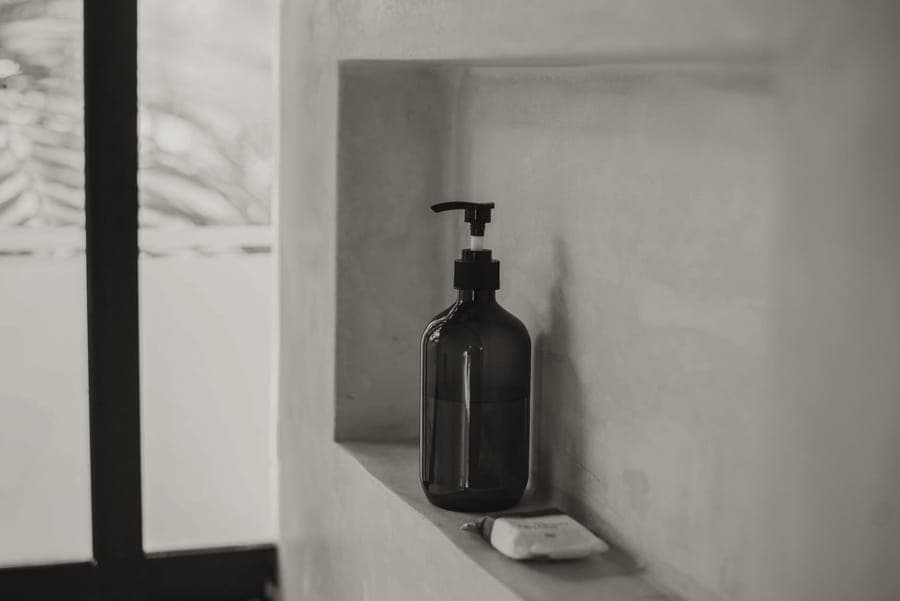 Bagsmart Clear TSA-Approved Toiletry Bag A quart-sized clear pouch that seals reliably and lifts straight out of your bag. | Getting through the bin in one pass |
The swap that frees up the most space in the quart bag
Ethique Shampoo Bar
The quart bag is a fixed volume and shampoo is usually the biggest thing in it. Moving to a solid bar removes the single largest container, which is worth more than any clever packing of the ones that remain. It also cannot leak at altitude, which is the other way toiletries ruin a trip.
The specs that decide it
- 3-1-1 status: Not a liquid - unrestricted, and does not go in the quart bag
- Replaces: Typically a 100 ml bottle, the largest item in most quart bags
- Leak risk: None - the failure mode that matters most in a packed bag
Flaws but not dealbreakers
A wet bar needs somewhere to dry before it goes back in your bag, and a sealed tin on a travel day means a damp bar by evening. Hair type matters too - some people find bars leave residue in hard water and never get on with them.
The bottles that survive a cabin pressure change
Humangear GoToob+ Silicone Travel Bottles
If you want to keep the products you already use, decanting is cheaper per ounce than buying travel sizes and it makes the quart bag reusable trip after trip. The thing to buy for is the seal: cheap squeeze bottles vent under pressure change and coat everything else in the bag.
The specs that decide it
- 3-1-1 status: Compliant - 3 oz is under the 3.4 oz / 100 ml container limit
- Seal: Valve closure, which is what stops pressure-driven leaks
- Label: Printed size on the bottle, so there is nothing to argue about at the bin
Flaws but not dealbreakers
Silicone bottles are a nuisance to clean properly, and thick products like conditioner are slow to get out of a narrow neck. They also cost several times what a pack of generic squeeze bottles costs.
The reusable pouch that replaces the zip-lock bag
Bagsmart Clear TSA-Approved Toiletry Bag
The bag itself is part of the rule - it has to be quart-sized, clear and it has to close. A reusable pouch does the job better than a disposable zip bag, lasts for years, and having it packed at the very top of your carry-on is what turns the liquids check from a repack into a five-second lift.
The specs that decide it
- 3-1-1 status: Quart-sized and clear, which is what the rule specifies
- Closure: Must seal shut - an overfilled bag that will not close is a failed bag
- Use: Pack it at the top of your carry-on so it comes out in one movement
Flaws but not dealbreakers
Some officers are stricter about reusable pouches that look larger than a quart, so a generously sized one can attract a second look that a plain zip bag never would. Buy one that is genuinely quart-sized rather than the biggest available.
Frequently asked questions
What is the TSA 3-1-1 rule?
Does the 3.4 oz limit apply to how full the bottle is?
Is deodorant allowed in a carry-on?
Can I bring medication over 3.4 oz?
Do liquid rules apply to checked bags?
Is makeup considered a liquid?
Sources
Read next
- Best travel toiletry bottles
- Solid toiletries for travel
- Best toiletry bags
- Carry-on only packing list
- Carry-on size by airline
More in Airline Rules, or see every roundup and comparison on the site.