How to pack toiletries for travel
Seven steps. The important ones are the plastic-wrap gasket and putting the quart bag at the very top of the carry-on.
By Michael W. · Last updated September 9, 2026
We earn a commission when you buy through our links, at no extra cost to you. It never changes what we pick or how we rank it. How we’re funded.
Two things go wrong with toiletries and both are avoidable. They leak, because air trapped in a bottle at ground level expands at cabin pressure and pushes product past the cap. And they get pulled at security, because a container is over 3.4 oz or the quart bag will not close.
The method below prevents both, and the two steps that do most of the work are unglamorous: a square of plastic wrap under each cap, and packing the quart bag at the very top of your carry-on so it comes out in one movement.
Why toiletries leak, and the fix
Aircraft cabins are pressurized to the equivalent of roughly 6,000 to 8,000 feet rather than to sea level. Air sealed into a bottle at ground level expands at that lower pressure and pushes product out past the cap. It is physics, not a defect in your bottle.
Which is why the fixes are all about air. Leave a fifth of the bottle empty so the expansion has somewhere to go. Squeeze the air out of soft bottles before capping. Add the plastic wrap gasket, which blocks the escape route. And bag each bottle separately inside the quart bag so a failure takes one bottle's worth of mess rather than the whole kit.
Open bottles slowly in flight
If you need something mid-flight, unscrew the cap slowly. The pressure differential releases in one go otherwise, which is how people end up with moisturizer on a tray table.
Packing toiletries for international travel
Two differences. The 100 ml container limit is close to universal, which is why travel bottles are sold at that size worldwide - so your decanted kit works everywhere. What varies is the bag: some countries specify a one-liter bag rather than a US quart, which is very slightly larger.
The bigger difference is the return leg. Rules are set by the departure airport, not by your airline or your home country, and several airports have relaxed the liquid limit with newer scanners and then reinstated it when equipment was withdrawn. Pack to the strict version in both directions and treat any relaxation as a bonus.
Duty-free liquids bought airside are a separate category, sealed in a tamper-evident bag with the receipt inside. That seal has to remain intact, which matters if you have a connection - some countries re-screen transfers and will confiscate an opened duty-free bag.
If you are checking a bag
The 3-1-1 rule does not apply to checked baggage at all, so full-size liquids are fine in the hold. What does apply is different: aerosols are limited in quantity, flammable liquids are restricted, and high-proof alcohol is capped.
The practical problem in a checked bag is not the rule, it is the leak - a hold is unpressurized on some aircraft and cold, and both make seals fail. Tape the caps, bag the bottles, and do not check anything you would mind losing to a burst seal. A washbag with a waterproof lining is worth considerably more in a checked bag than in a carry-on.
The kit structure that works
- One clear quart pouch, holding only what the liquid rule covers, packed at the top of the carry-on.
- One wipe-clean dopp kit, holding solids, dental, medication, razors and anything electrical.
- Ventilated tins, one per bar, kept away from clothes on a travel day.
- Nothing loose. A shampoo bottle floating in a suitcase is the failure this whole method exists to prevent.
Best toiletry bags covers the bag choice, including whether you need a hanging version for bathrooms with no counter space.
What not to do
- Do not fill bottles to the top. This is the single most common cause of a leak.
- Do not pack the quart bag in the middle of the suitcase. It may need to come out, and it may leak into whatever surrounds it.
- Do not decant contact lens solution. It is a sterile product; buy the travel size.
- Do not assume a half-empty large bottle is fine. The container size is what counts, and it will be pulled.
- Do not leave decanting until the morning of the flight. That is how people end up buying travel-size shampoo airside at several times the price.
Quick picks
The short list. Tap any row for the full write-up, including what each one is bad at.
| # | Product | Best for | Price |
|---|---|---|---|
| 1 | 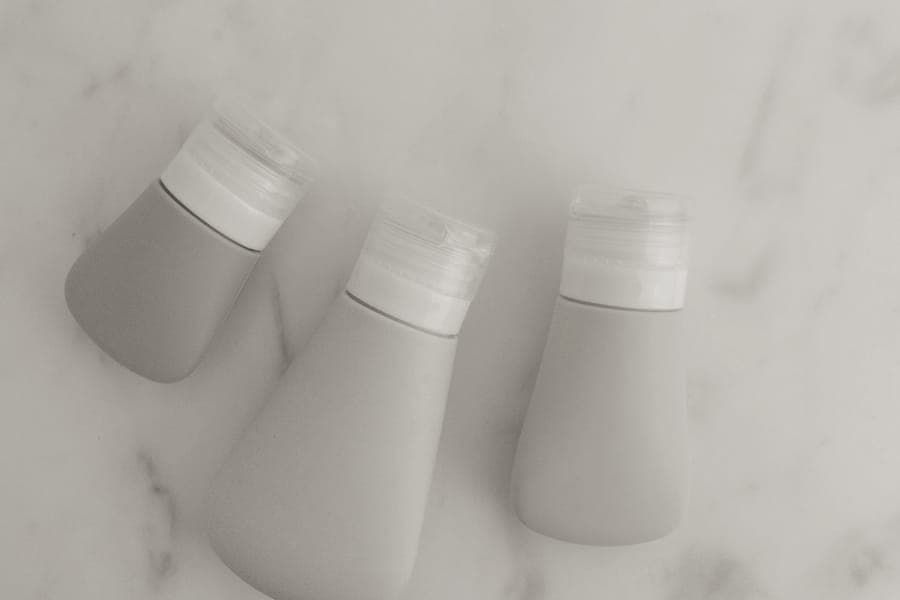 Humangear GoToob+ Silicone Travel Bottles 3 oz with a valve seal, and the size printed where an officer can read it. | Decanting | |
| 2 | 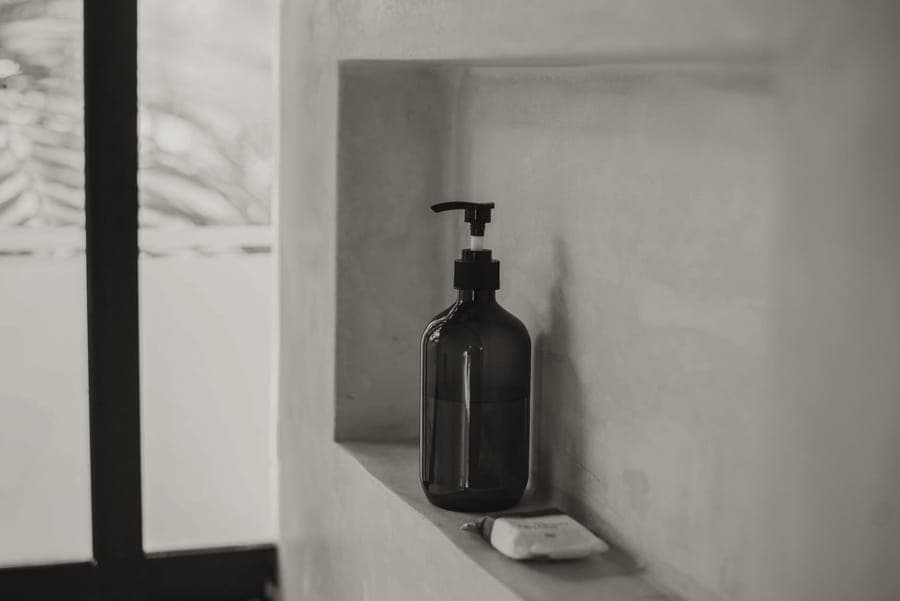 Bagsmart Clear TSA-Approved Toiletry Bag Quart-sized, clear, and it seals - which is what the rule actually requires. | The 3-1-1 bag | |
| 3 | 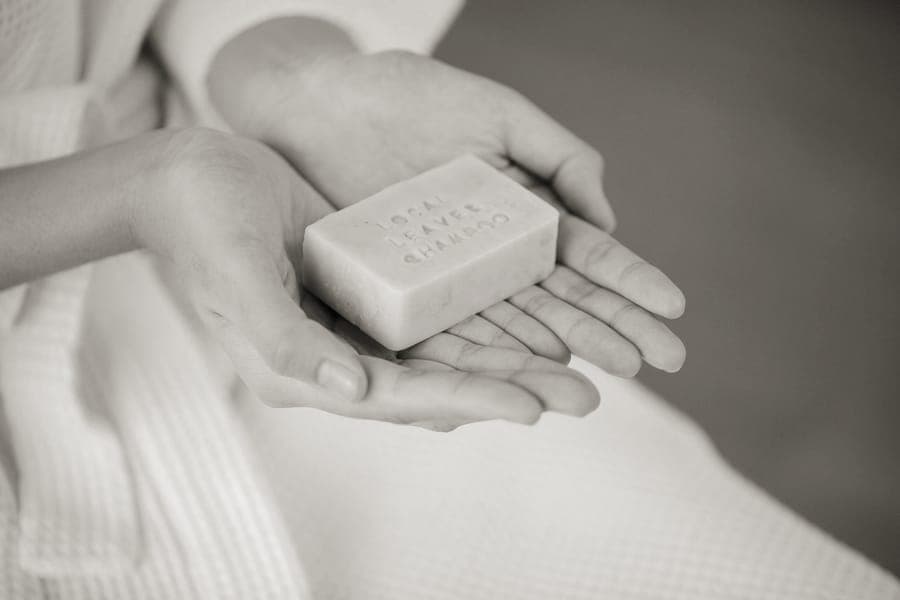 Ethique Shampoo Bar Not a liquid, so it never reaches steps three through five. | Carry-on-only trips |
The bottles that make step three and four reliable
Humangear GoToob+ Silicone Travel Bottles
Step three fails when a bottle is over the limit or the seal vents. Properly sized bottles with a valve closure address both, and a printed size means no discussion at the bin. The plastic-wrap gasket in step four is belt and braces on top.
The specs that decide it
- Size: 3 oz - under the 3.4 oz limit, printed on the bottle
- Seal: Valve closure, which holds against cabin pressure
- Fill to: About four-fifths, never the top
Flaws but not dealbreakers
Hard to clean thoroughly, and thick products like conditioner are slow through a narrow neck. For those, a wide-mouth capsule is the better container.
The pouch that makes the security step a five-second lift
Bagsmart Clear TSA-Approved Toiletry Bag
The bag is part of the rule, not an accessory to it. Quart-sized, clear and closing properly. A reusable pouch beats a disposable zip bag on durability and on how it looks when you hand it over, and packed at the top of the carry-on it does step seven for you.
The specs that decide it
- 3-1-1 status: Quart-sized and clear, as the rule specifies
- Closure: Must seal - an overfilled bag that will not close fails
- Placement: The very top of the carry-on
Flaws but not dealbreakers
Buy one that is genuinely quart-sized rather than the largest available - some officers are stricter about reusable pouches that look oversized. It also makes your toiletries visible to everyone at the checkpoint.
The step-two swap that frees the most space
Ethique Shampoo Bar
Step two is where the real gains are. Shampoo is the largest thing in most quart bags, and moving it out entirely beats any amount of careful decanting. It also cannot leak, which removes it from step four as well.
The specs that decide it
- 3-1-1 status: Not a liquid - unrestricted and outside the quart bag
- Replaces: Typically a 100 ml bottle
- Storage: A ventilated tin, never a sealed one
Flaws but not dealbreakers
A wet bar needs drying time and a sealed tin gives you a soft damp bar by evening. Hair type and water hardness also matter - try one at home rather than on day one of a trip.
Frequently asked questions
How do you pack toiletries so they do not leak?
Where should the liquids bag go in a carry-on?
How do you pack toiletries for international travel?
Can I pack full-size toiletries in a checked bag?
Why did my shampoo leak on a flight?
Read next
- TSA liquid rules
- Best travel toiletry bottles
- Best toiletry bags
- Solid toiletries for travel
- How to pack a carry-on
More in Toiletries, or see every roundup and comparison on the site.