The best travel toiletry bottles
Two requirements: under 3.4 oz, and a seal that survives a pressure change. Most bottles get the first right and the second wrong.
By Michael W. · Last updated September 11, 2026
We earn a commission when you buy through our links, at no extra cost to you. It never changes what we pick or how we rank it. How we’re funded.
Decanting is the cheapest way to comply with the liquid rule: you keep the products you already use, the quart bag becomes reusable trip after trip, and you are not paying travel-size prices per ounce. It works well and it fails in exactly one way - leaks.
The mechanism matters. A cargo hold and a cabin are both at reduced pressure relative to the ground, so air trapped inside a bottle expands and pushes product out past a seal that was perfectly adequate in your bathroom. Cheap squeeze bottles vent. Properly sealed ones do not, and that is the entire difference between the products below.
The container size is what counts, not the fill level
Each container must be 3.4 oz (100 ml) or less, measured by the size printed on it. A half-full 6 oz bottle is a 6 oz container and will be pulled. Buy bottles with the size printed on them so there is nothing to discuss at the bin - see TSA liquid rules.
Quick picks
The short list. Tap any row for the full write-up, including what each one is bad at.
| # | Product | Best for | Price |
|---|---|---|---|
| 1 | 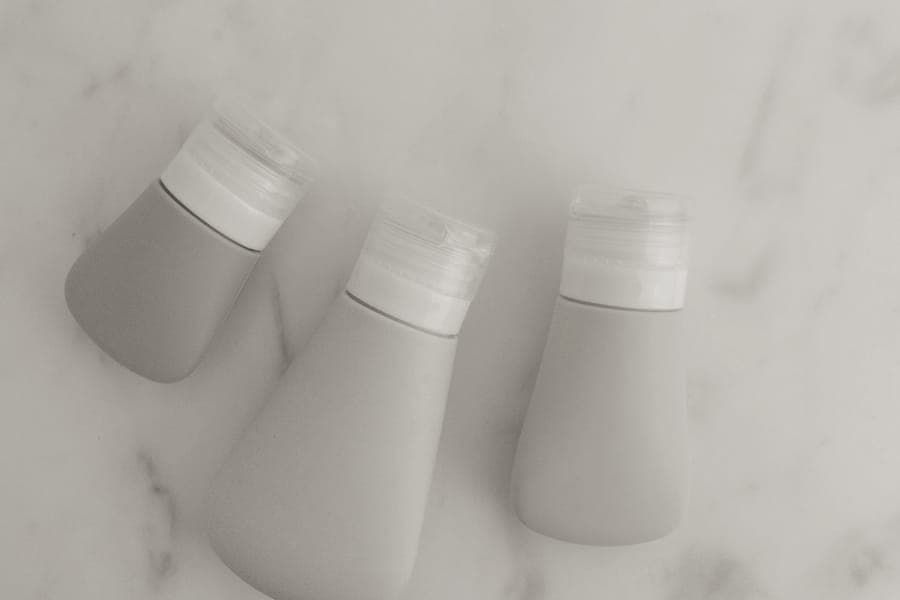 Humangear GoToob+ Silicone Travel Bottles 3 oz silicone bottles with a valve closure - the seal that survives a pressure change. | Most travelers | |
| 2 | 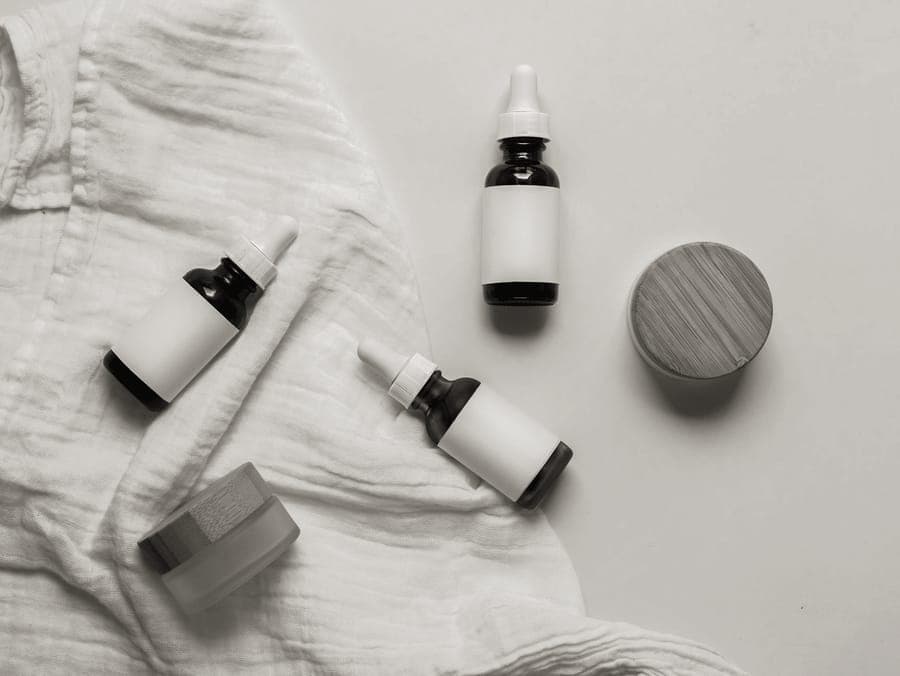 Cadence Capsules Refillable Travel Containers Wide-mouth magnetic capsules rather than squeeze bottles. | Creams and thick products | |
| 3 | 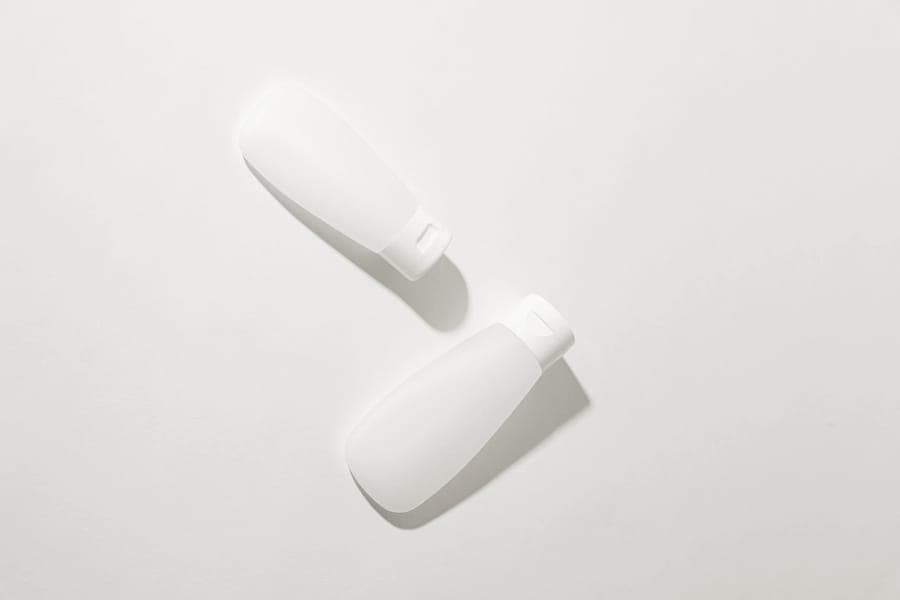 Travel Bottles Set (TSA-Approved, Leak Proof) A generic set of 3 oz bottles with flip caps, at a fraction of the price. | Occasional travelers | |
| 4 | 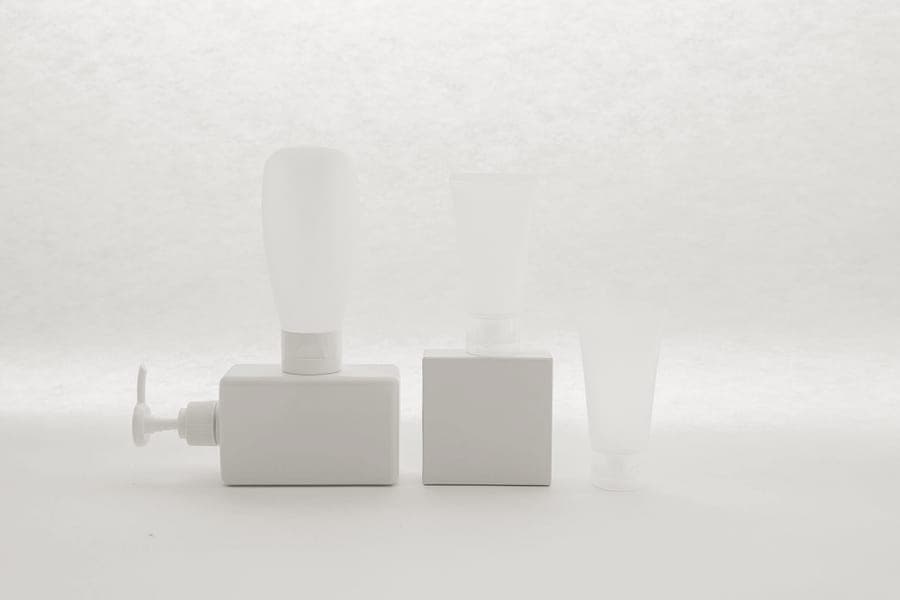 Nalgene Travel Bottles (Hard-Sided, 2 oz) Rigid bottles with a screw cap, which is the most reliable seal there is. | Bags that get squashed |
The ones that do not vent at altitude
Humangear GoToob+ Silicone Travel Bottles
The seal is the whole product. A valve closure holds against the internal pressure that builds when a bottle goes from ground level to cruise altitude, which is what cheap flip caps do not do. Under the limit by design, with the size printed on the bottle.
The specs that decide it
- Size: 3 oz - comfortably under the 3.4 oz / 100 ml limit
- Seal: Valve closure, which is what stops pressure-driven leaks
- Labeled: Printed size on the bottle
Flaws but not dealbreakers
Silicone bottles are a nuisance to clean properly - thick residue clings to the walls and the narrow neck makes it hard to reach. Thick products like conditioner are also slow to squeeze out.
The ones you can actually get conditioner out of
Cadence Capsules Refillable Travel Containers
Thick products are the failure case for squeeze bottles - conditioner, moisturizer and hair cream do not come out of a narrow neck, and what does come out leaves most of the product behind. A wide-mouth capsule you can reach into solves that and cleans out properly between trips.
The specs that decide it
- Opening: Wide mouth - usable with thick creams and pastes
- Size: Well under the 3.4 oz limit
- Format: Magnetic capsules that stack together in the quart bag
Flaws but not dealbreakers
Small capacity - genuinely small, so for a week of shampoo you will need more than one. They are also expensive per container compared with squeeze bottles.
The ones that cost almost nothing and mostly work
Travel Bottles Set (TSA-Approved, Leak Proof)
If you fly a few times a year, a budget set is enough. The main caveat is the seal, and there is a cheap workaround: a small square of plastic wrap under the cap before you close it, which blocks the path a vented seal would let product out through.
The specs that decide it
- Size: 3 oz - under the limit, with the size printed
- Contents: A set of bottles plus small jars
- Cost: A fraction of the premium options
Flaws but not dealbreakers
Budget flip caps are the ones most likely to vent at altitude, which is the failure the whole category exists to avoid. Use the plastic-wrap trick, and bag them separately from anything you would mind being covered in shampoo.
The ones that will not be crushed in a packed bag
Nalgene Travel Bottles (Hard-Sided, 2 oz)
A squeeze bottle in a packed carry-on gets compressed by everything around it, and pressure from outside pushes product out the same way reduced cabin pressure does from inside. A rigid bottle with a screw cap does not squeeze and does not vent.
The specs that decide it
- Construction: Rigid - cannot be compressed by the bag around it
- Seal: Screw cap, the most reliable closure available
- Size: 2 oz - well under the limit
Flaws but not dealbreakers
Rigid bottles do not collapse as they empty, so you carry the same volume whether full or nearly empty. Getting the last of a thick product out of a rigid bottle is also close to impossible.
How they compare
| Pick | Seal | Works with thick products | Cleans out easily | Main flaw |
|---|---|---|---|---|
| Humangear GoToob+ | Valve | Poorly | No | Hard to clean |
| Cadence capsules | Screw and magnet | Yes | Yes | Small capacity |
| Budget bottle set | Flip cap | Poorly | Somewhat | Most likely to vent |
| Nalgene hard-sided | Screw cap | Poorly | Somewhat | Does not collapse when empty |
Why travel bottles leak, and how to stop it
Aircraft cabins are pressurized to the equivalent of roughly 6,000 to 8,000 feet, not to sea level. Air trapped in a bottle you filled at ground level expands at that reduced pressure and pushes product out past the cap. That is the mechanism, and it explains every rule below.
- Do not fill to the top. Leave about a fifth of the bottle empty so the expanding air has somewhere to go. This single step prevents most leaks.
- Squeeze the air out before closing a soft bottle, then cap it. Less trapped air means less expansion.
- Use a plastic wrap gasket. A small square of plastic wrap over the neck before you screw or flip the cap on blocks the escape path. It costs nothing and it works.
- Bag them separately inside the quart bag. If one goes, it takes the bag and not your clothes.
- Open them slowly at altitude if you need one in flight - the pressure differential releases in one go otherwise.
How much do you actually need?
Most people carry two to three times what they use, which is the real reason the quart bag feels tight. Measuring once at home fixes it permanently.
| Product | Typical week | Bottle size needed |
|---|---|---|
| Shampoo - short hair | About 30 ml | A 2 oz bottle is plenty |
| Shampoo - long hair | About 60 ml | One 3 oz bottle |
| Conditioner | About 50 ml | One 3 oz bottle |
| Body wash | About 50 ml | One 3 oz bottle, or use soap |
| Moisturizer | About 20 ml | A small capsule |
| Sunscreen | Varies widely | Often the largest item - count it first |
Sunscreen is the item that most often breaks the quart bag, because usage is genuinely high and you cannot decant much less than you need. On a beach trip it is worth buying sunscreen at the destination rather than fighting it into the bag.
The alternative: stop carrying liquids
Decanting shrinks the problem. Switching to solids removes items from the quart bag entirely, which is a bigger win. A shampoo bar, a conditioner bar and toothpaste tablets are not liquids at all, so they go loose in your bag at any size and the quart bag suddenly has room.
The same logic applies to a few things people do not think of: solid stick deodorant is not a liquid where gel and roll-on are, and powder and pressed makeup are not liquids where their cream equivalents are. Solid toiletries for travel covers the full set of swaps.
How we chose these picks
Seal type first, since leaking is the only real failure mode here and the physics is the same for every bottle. Then whether thick products can get in and out, which is where narrow-necked squeeze bottles fail. Then whether it cleans out, because a bottle you cannot clean is a bottle you replace. Then printed size labeling, which removes any argument at a security bin.
We have not pressure-tested these and do not run a testing lab - see our methodology.
What we passed over
- Bottles over 3.4 oz sold as 'travel size'. Some are 4 oz or larger and will be pulled regardless of what the label says about travel.
- Bottles with no printed size. A security officer cannot verify capacity by eye, and an unmarked bottle invites a discussion you do not want.
- Pump-top bottles. The pump mechanism is a direct path for pressure to push product out and they leak more than any other design.
- Glass containers. They break, and broken glass in a bag full of clothes is a genuinely bad trip.
Frequently asked questions
What size travel bottles are allowed on a plane?
Why do travel bottles leak on planes?
How do you stop travel bottles from leaking?
Are silicone or hard travel bottles better?
How much shampoo do I need for a week?
Read next
- TSA liquid rules
- Solid toiletries for travel
- Travel size toiletries guide
- Best toiletry bags
- How to pack toiletries
More in Toiletries, or see every roundup and comparison on the site.