Solid toiletries for travel
A solid is not a liquid. That one fact makes these the single biggest lever on a carry-on-only trip - and they are not perfect.
By Michael W. · Last updated September 10, 2026
We earn a commission when you buy through our links, at no extra cost to you. It never changes what we pick or how we rank it. How we’re funded.
A solid is not a liquid, so it is not subject to the 3-1-1 rule, does not count toward the quart bag, and cannot leak. That is the entire argument, and on a carry-on-only trip it is a strong one - the quart bag is a fixed allowance that does not scale with trip length, so removing items from it is worth more than shrinking them.
The honest counterweight: solids are not universally better. Shampoo bars do not suit every hair type, especially in hard water. A wet bar needs somewhere to dry. And a few solid alternatives - solid sunscreen in particular - are genuinely worse than the liquid they replace. This page is about which swaps are worth making and which are not.
Quick picks
The short list. Tap any row for the full write-up, including what each one is bad at.
| # | Product | Best for | Price |
|---|---|---|---|
| 1 | 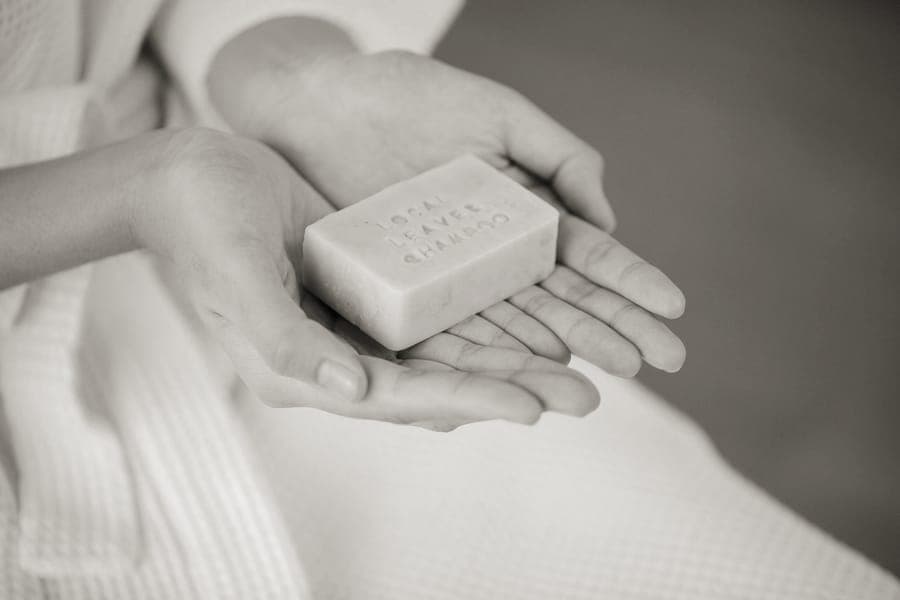 Ethique Shampoo Bar Removes the largest item from the quart bag, and cannot leak at altitude. | Almost everyone flying carry-on | |
| 2 | 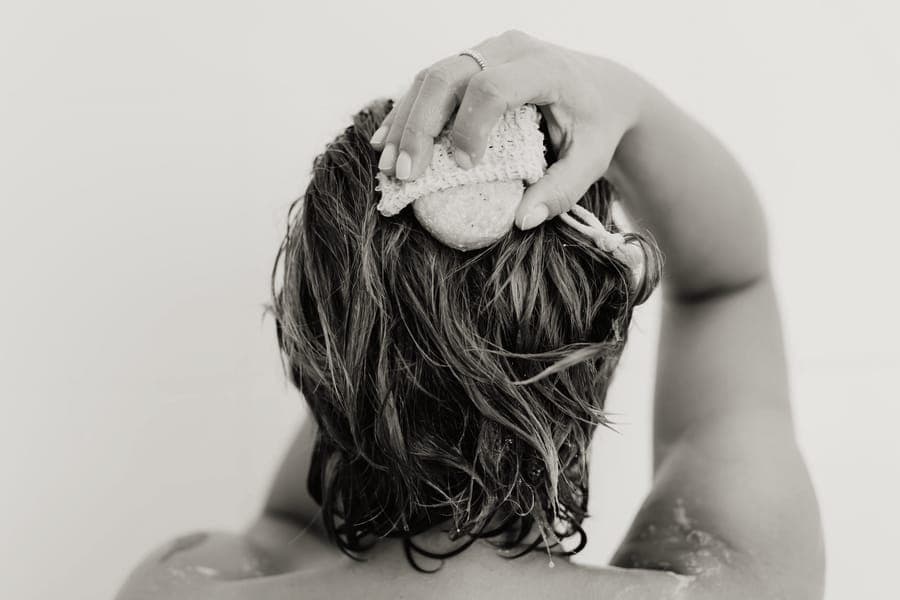 Lush Solid Conditioner Bar Conditioner is the thickest thing in a travel kit and the worst to decant. | Longer hair | |
| 3 |  Bite Toothpaste Bits Chewable tablets, so toothpaste stops being a paste subject to the rule. | Anyone flying carry-on | |
| 4 | Soap and Shampoo Bar Travel Tins Ventilated tins, because a sealed tin gives you a soft wet bar by evening. | Keeping a wet bar from ruining your bag |
The swap that frees the most room in the quart bag
Ethique Shampoo Bar
Shampoo is usually the biggest thing in a quart bag, so removing it entirely is the highest-leverage change available. A bar lasts far longer than a 100 ml bottle, weighs less, and takes the single most common leak risk out of your luggage.
The specs that decide it
- 3-1-1 status: Not a liquid - unrestricted, outside the quart bag
- Replaces: Typically a 100 ml bottle, the largest item in most kits
- Longevity: Outlasts an equivalent bottle considerably
Flaws but not dealbreakers
A wet bar needs to dry before it goes back in the bag; a sealed tin on a travel day produces a soft, damp bar by evening. Some people also find bars leave residue in hard water and never get on with them - try one at home before a trip, not on it.
The harder half of the hair problem
Lush Solid Conditioner Bar
Conditioner is the most annoying product to decant - thick, slow through a narrow neck, and it clings to the bottle so you waste a third of it. A solid bar sidesteps the whole problem, and for longer hair it removes the second-largest liquid from the bag.
The specs that decide it
- 3-1-1 status: Not a liquid
- Replaces: The product that decants worst of anything in a kit
- Use: Rub directly on wet hair rather than lathering in hands
Flaws but not dealbreakers
Conditioner bars are more hit-and-miss than shampoo bars - coverage on long or thick hair takes practice, and the results vary more by hair type. They also stay wet longer than shampoo bars and need genuine drying time.
The one that takes toothpaste out of the quart bag
Bite Toothpaste Bits
Toothpaste counts as a paste and takes quart-bag space every trip. Tablets are solid, so they go loose in your bag at any quantity - and for a two-week trip that is meaningfully better than a tube you have to ration into 3.4 oz.
The specs that decide it
- 3-1-1 status: Solid - not subject to the liquid rule
- Format: Chew a tablet, then brush with a wet brush
- Packing: A small tin or pouch, loose in the bag
Flaws but not dealbreakers
The texture is genuinely different and takes getting used to - it foams less and feels grittier at first. Fluoride content varies between brands, so check the label if that matters to you or your dentist.
The thing that makes the whole approach practical
Soap and Shampoo Bar Travel Tins
The main failure of the solid approach is not the bars, it is storing them wet. A ventilated tin lets a damp bar breathe on a travel day, where a sealed container turns it to paste and leaves the next user with a mess.
The specs that decide it
- Solves: Storing a wet bar on a travel day
- Key feature: Ventilation - a sealed tin is the wrong product
- One per bar: Shampoo and conditioner in the same tin merge into one bar
Flaws but not dealbreakers
A ventilated tin is not watertight, so a genuinely soaking bar will still damp its surroundings. Give the bar a few minutes to drip before it goes in, and let it out to dry as soon as you arrive.
How they compare
| Swap | Frees quart-bag space | Works as well? | Verdict |
|---|---|---|---|
| Shampoo bar | Large | Depends on hair and water | Try it - biggest single win |
| Conditioner bar | Large | More variable than shampoo | Worth trying |
| Bar soap for body wash | Medium | Yes, identical | Obvious swap |
| Toothpaste tablets | Medium | Different texture, works fine | Worth it |
| Solid stick deodorant | Medium | Yes - most people already use one | Free win |
| Powder over cream makeup | Medium | Yes for many products | Worth checking |
| Solid perfume | Small | Weaker and shorter-lasting | Optional |
| Solid sunscreen sticks | Small | Harder to apply evenly | Not for full coverage |
Solid toiletries and air travel, specifically
Solids are not liquids, gels, aerosols, creams or pastes, so they are not covered by the 3-1-1 rule at all. They go loose in your carry-on at any size and quantity, and they do not go in the quart bag.
In practice this means a bar of soap, a shampoo bar, a conditioner bar, a stick of solid deodorant and a tin of toothpaste tablets can all travel outside the quart bag. That is potentially five items removed from a fixed allowance, which on a two-week carry-on trip is the difference between a tight bag and a comfortable one.
Expect the occasional second look
A dense rectangular bar in a metal tin is an unusual thing in a scanner image, and it is occasionally swabbed or hand-inspected. That is routine and fast. Keeping bars in labeled tins rather than wrapped in foil makes it faster still.
The swaps that genuinely work
Bar soap for body wash
The easiest one, and the one people overlook because it is obvious. Bar soap is not a liquid, it works identically, and it costs less. If you change one thing, change this.
Solid stick deodorant
Most people already use one. Solid sticks are not liquids at any size, where gel, roll-on, spray and aerosol versions all count. If you use a gel or a roll-on, switching for travel frees quart-bag space for nothing.
Powder over cream makeup
Powder and pressed products are not liquids. Cream blush, liquid foundation and mascara are. Swapping even two of those for pressed equivalents on a trip frees real space without changing your routine much.
Shampoo and conditioner bars
The biggest win and the one with the most caveats. Try them at home first - hair type and water hardness both matter, and discovering on day one of a trip that a bar does not suit you is a bad way to find out.
The swaps that do not work as well
- Solid sunscreen sticks. Fine for a face or the back of your neck, genuinely difficult to apply evenly over a body. For a beach trip, carry liquid sunscreen and count it in the quart bag, or buy it at the destination.
- Solid perfume. It works, but it is weaker and fades faster than a spray. A tiny atomizer is a better answer if scent matters to you.
- Solid moisturizer balms. Good for lips and hands, and heavier and greasier than a cream for a face. This one is genuinely personal.
- Powder dry shampoo. Works and is not a liquid - but aerosol dry shampoo is, so check which you have before you assume it is exempt.
How we chose these picks
How much quart-bag space the swap frees, since that is the entire reason to make it. Then whether the solid version genuinely works as well, because a swap that saves space and does the job badly is not a saving. Then storage, which is where the approach most often fails in practice.
Hair-type suitability is genuinely individual and we have not tested these across hair types - we do not run a lab. Try a bar at home before you commit a trip to it; our methodology sets out where our confidence comes from.
How to store a wet bar
- Let it drip. Two or three minutes standing on the rim of the sink removes most of the surface water.
- Use a ventilated tin, not a sealed one. A sealed container keeps the bar wet all day and turns the surface to paste.
- One tin per bar. Shampoo and conditioner in the same tin merge into a single unidentifiable object.
- Take it out on arrival. Open the tin and let the bar dry properly at the next stop.
- Keep tins away from clothes on a travel day regardless, since ventilated means not watertight.
If you are combining solids with a few remaining liquids, best toiletry bags covers the kit structure that works: a clear quart pouch for what is left liquid, and a wipe-clean dopp kit for the solids and everything else.
Frequently asked questions
Are shampoo bars allowed in carry-on luggage?
Do solid toiletries count toward the liquid limit?
Do shampoo bars actually work?
How do you pack a wet shampoo bar?
Is solid sunscreen good for travel?
Is stick deodorant a liquid for TSA?
Read next
- TSA liquid rules
- Best travel toiletry bottles
- Travel size toiletries guide
- Best toiletry bags
- Carry-on only packing list
More in Toiletries, or see every roundup and comparison on the site.