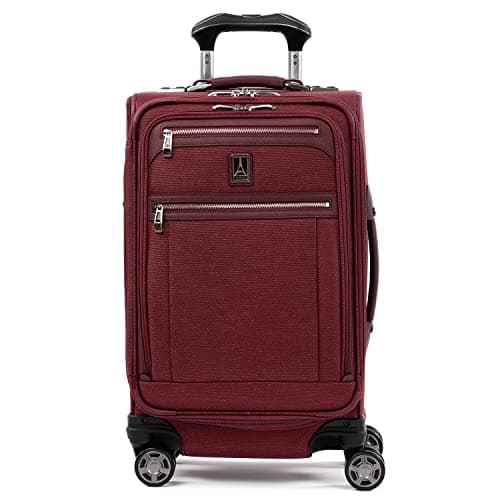
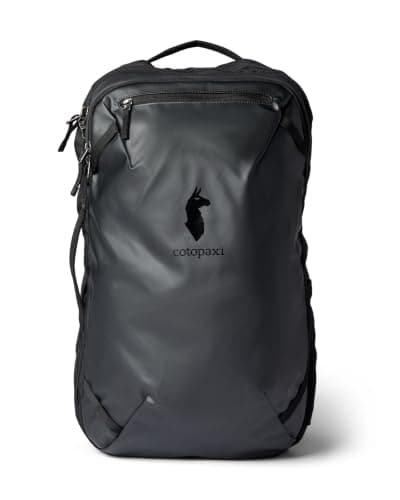
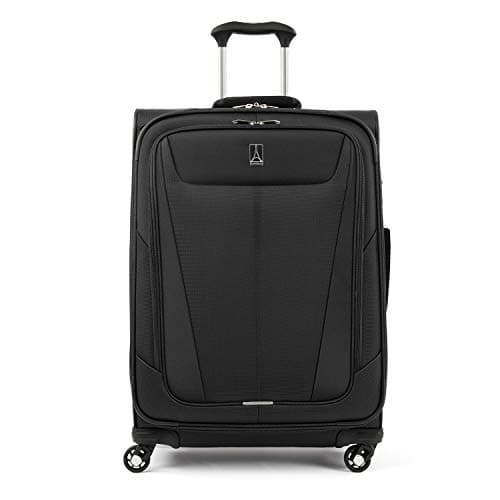
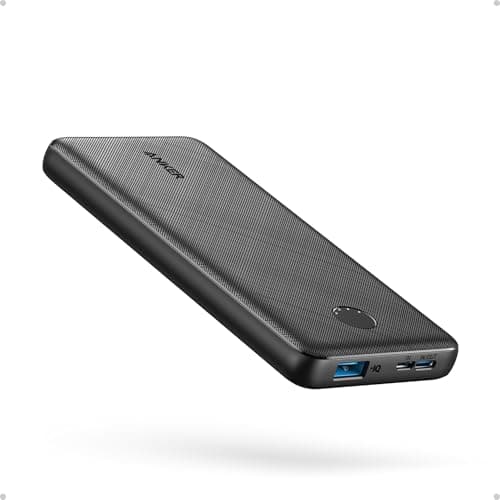
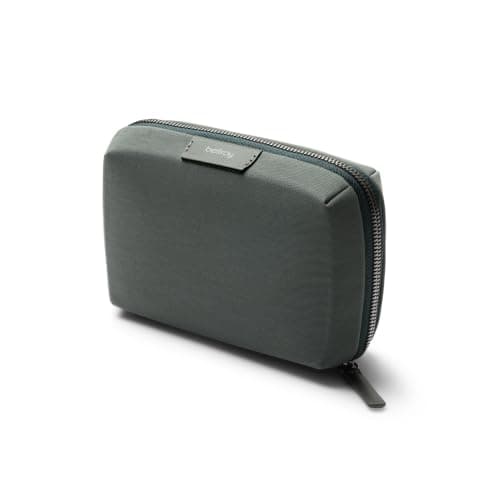
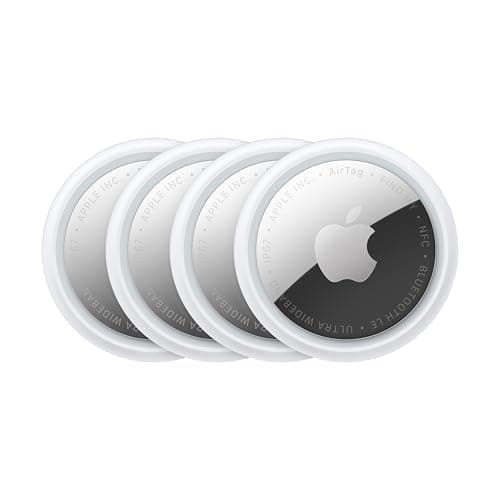
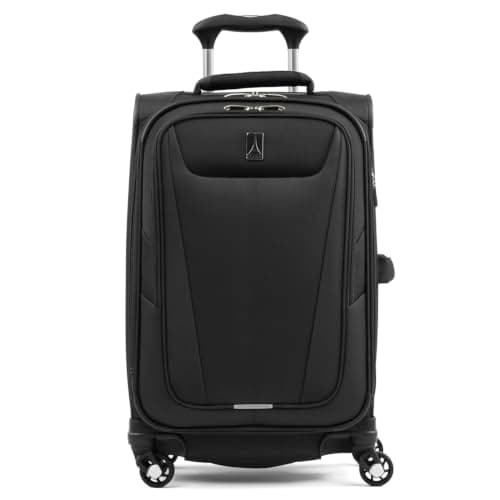
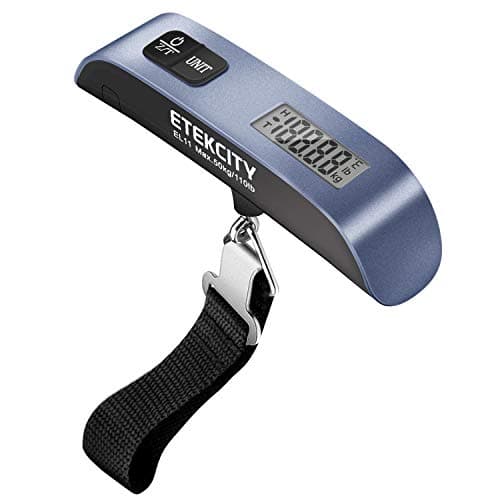
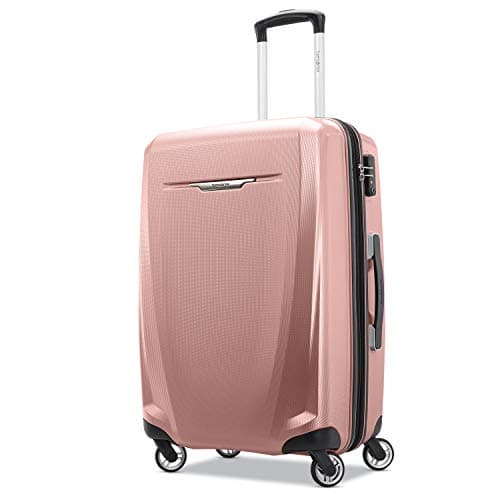
This is the part of travel gear that almost nobody publishes properly. Product sites review bags without telling you which limits those bags actually clear; the publishers who do document the limits do not tell you what to buy. Both halves are needed at once, because the whole reason a carry-on measurement matters is that you are about to spend money on a bag that has to clear it.
So every page here does two things: it states the rule in a real table you can scan, in inches and centimeters, with the carrier's own page linked as the source - and then it links to the bags whose dimensions fit inside it. That is the connection, and it is the reason this section exists.
The three rules that cover almost everything
- Carry-on size. Most major US airlines: 22 x 14 x 9 inches including wheels and handles. Southwest is more generous. Budget carriers are stricter and enforce more aggressively. Full table: carry-on size by airline.
- Personal item size. The under-seat bag, and the allowance that has quietly become the most valuable one. Several carriers publish a 18 x 14 x 8 inch figure; others do not publish dimensions at all. Full table: personal item size by airline.
- Liquids. 3.4 oz / 100 ml per container, one quart bag per passenger, carry-on only. Full detail, including what is exempt: TSA liquid rules.
Published limit versus enforced limit
These are not the same thing and pretending otherwise is how people get caught. On a full-service US carrier with an uncrowded flight, a bag half an inch over will usually pass unremarked. On a low-cost carrier at a busy European airport, the sizer at the gate is a revenue instrument and it will be used. The published number is the only one you can plan against, but the enforcement culture of the airline you are flying is what decides how much margin you want.
The practical rule: buy to the published limit of the strictest airline you fly regularly, not to the most generous. A bag that fits a budget European carrier fits everything else too. A bag bought to Southwest's more generous allowance will not.
Always verify with your airline before you fly
Baggage allowances change, they vary by fare class, and codeshare flights are frequently governed by the operating carrier's rules rather than the one you booked with. We link every carrier's own baggage page on each guide so you can check the current figure in one click. Treat these tables as a shortlist for buying decisions, not as a boarding pass.
How to use these pages when you are shopping
Check the limit first, then shop inside it. It sounds obvious and it is the step people reverse. A suitcase listed as a 21-inch carry-on may measure 22.5 inches once wheels and the handle housing are included - manufacturers frequently quote the case body only. Every pick in the luggage section is described with the dimension that matters, and where a bag is borderline against a specific airline we say so on the page rather than leaving you to find out at the gate.
Why we keep these pages current
Rules pages rot faster than product pages, and stale rules are worse than no rules - somebody plans a trip around a limit that changed eighteen months ago. Every guide here carries a visible last-updated date, and each one links the carrier's own baggage page so you can confirm the figure yourself rather than taking our word for it. When something changes, the date changes with it.
If you find a figure here that does not match what the airline publishes today, tell us and we will correct it. That is the one piece of feedback we act on fastest, and the address is on the contact page.
With the rules settled, the buying decision gets simple: best carry-on luggage for the main bag, best personal item bags for the under-seat slot.