Long-haul flight essentials
Four things change a long flight. Everything else is preference, and most of it is weight you carry for nothing.
By Michael W. · Last updated September 9, 2026
We earn a commission when you buy through our links, at no extra cost to you. It never changes what we pick or how we rank it. How we’re funded.
Long-haul flight lists are where travel sites pad. Forty items, no ranking, everything linked. In practice four things change how a ten-hour flight feels: whether you sleep, whether your legs swell, whether you stay hydrated, and whether your devices last. The rest is optional and most of it is weight.
The other thing that matters and is rarely mentioned: where your things are. Once the cabin lights go down the overhead bin is effectively sealed - standing up to reach it means disturbing two sleeping strangers. Everything you will want for eleven hours has to be in the bag at your feet before takeoff, which makes your personal item bag part of the comfort kit rather than part of the luggage.
Quick picks
The short list. Tap any row for the full write-up, including what each one is bad at.
| # | Product | Best for | Price |
|---|---|---|---|
| 1 | 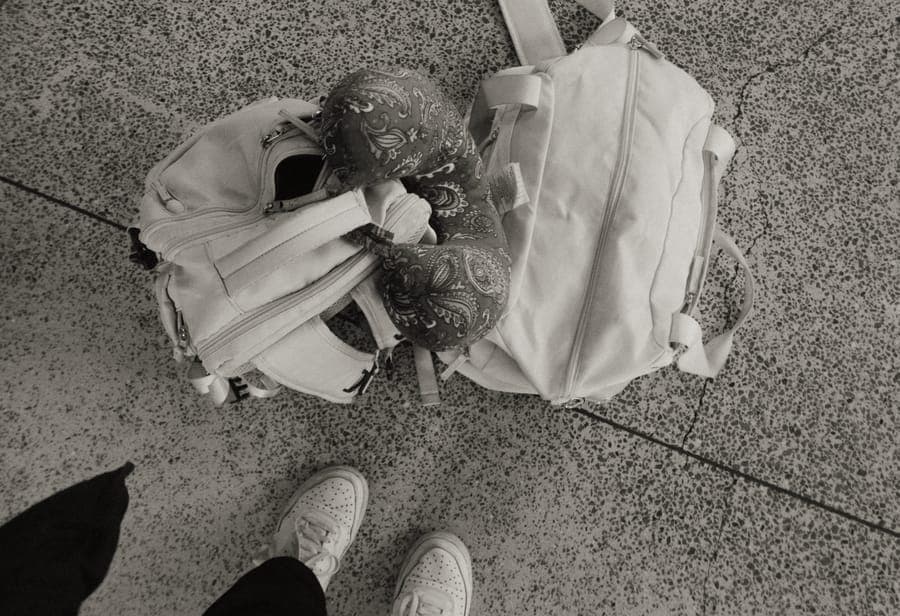 Trtl Travel Pillow An internal support rather than a U-shaped cushion, so your head stops moving. | Side and forward sleepers | |
| 2 | 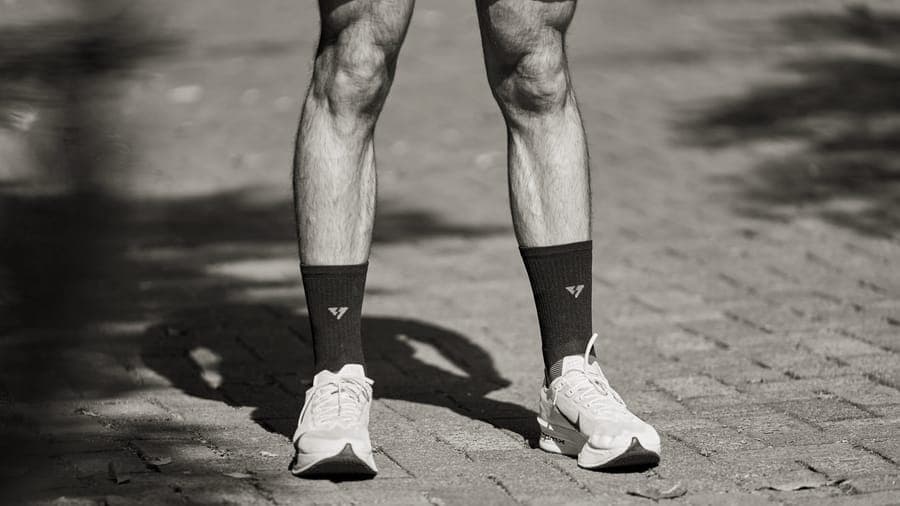 Comrad Compression Socks (15-20 mmHg) Graduated compression, which is commonly recommended for long-haul comfort. | Flights over about four hours | |
| 3 | 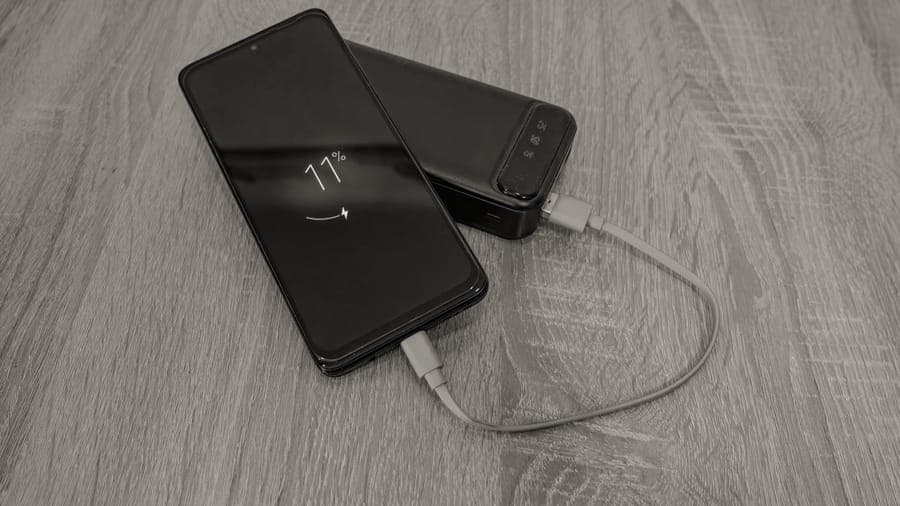 Anker PowerCore 10000 Power Bank Around 37 Wh, well inside the 100 Wh airline limit, with a couple of phone charges in it. | Long flights with no working seat power | |
| 4 | 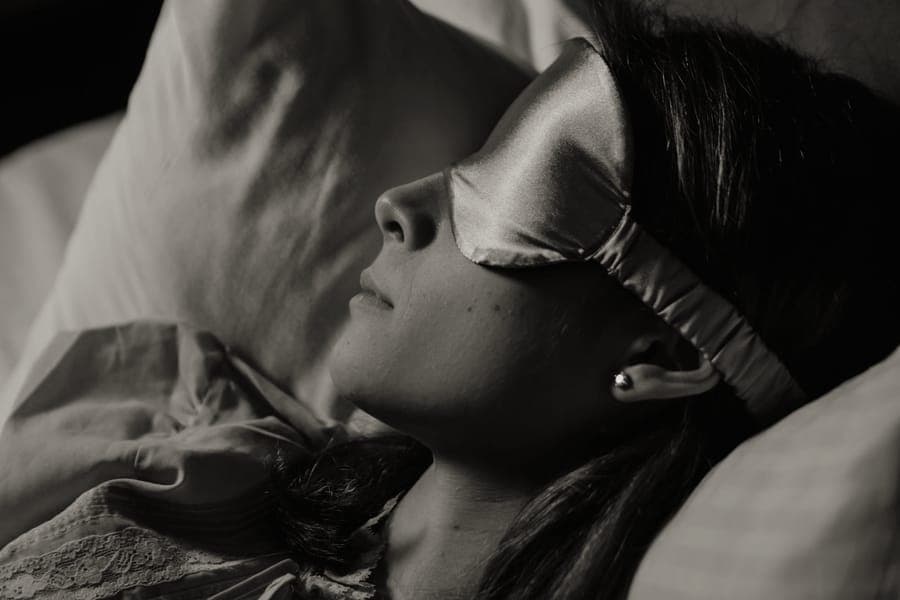 Travel Eye Mask and Earplugs Set Blocks the two things that keep you awake, for almost no money or weight. | Anyone who cannot sleep in light or noise | |
| 5 | 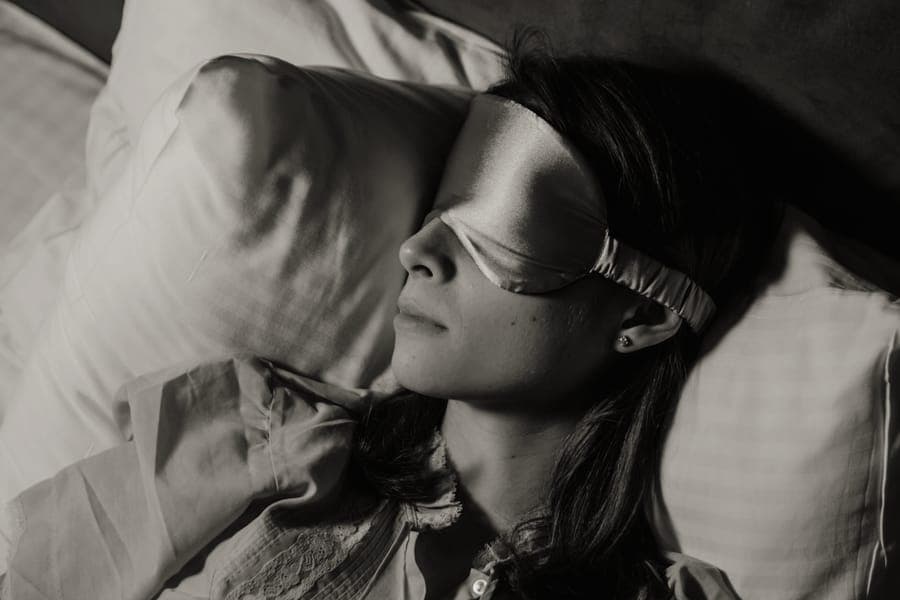 Collapsible Travel Water Bottle Empty through security, filled airside, packs flat when you finish it. | Every long flight | |
| 6 | 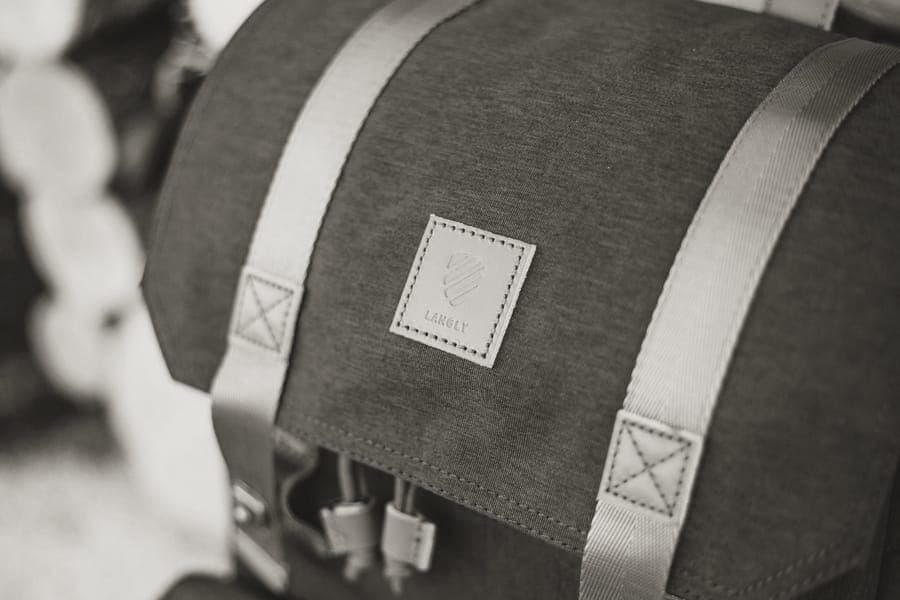 Cotopaxi Allpa 35L Travel Pack Clamshell access, so you can find things without standing up in a dark cabin. | Keeping everything reachable |
The one that actually supports a head falling sideways
Trtl Travel Pillow
The problem with a standard U-shaped pillow is that it cushions your neck without stopping your head from falling sideways - which is the thing that wakes you. A structured support holds the head in position. If you have ever woken because your head dropped, this is the category you want.
The specs that decide it
- Type: Internal support rather than an inflatable or foam U-shape
- Suits: Side sleepers and forward sleepers
- Packing: Wraps flat around a bag strap rather than clipping on as a lump
Flaws but not dealbreakers
It sits asymmetrically and takes getting used to, and in a warm cabin the fabric around your neck is genuinely hot. It also does nothing for people who sleep upright against a headrest, who are better served by a simple neck cushion or none at all.
The cheapest thing on this list that makes a real difference
Comrad Compression Socks (15-20 mmHg)
Many people find their legs and feet swell on long flights and are noticeably more comfortable in compression socks. Fit is what makes them work - too loose does nothing, too tight is unpleasant - and calf width is the measurement people skip when ordering.
The specs that decide it
- Compression: 15-20 mmHg is the common travel range
- Fit: Measure your calf, not just your shoe size
- Wear: Put them on before you leave, not once your feet have swollen
Flaws but not dealbreakers
They are difficult to get on once your feet have already swollen, which is exactly when people remember them. And if you have a circulatory condition, are pregnant, or have had a clot, the right compression level is a medical question - ask your doctor rather than picking one off a chart.
The one that is small enough to be allowed and big enough to matter
Anker PowerCore 10000 Power Bank
In-seat power on long-haul is unreliable - present on some aircraft, broken on others, and frequently too weak to charge while you use the device. A 10,000 mAh bank gives you two or three phone charges and is comfortably within the limits every airline publishes.
The specs that decide it
- Capacity: Roughly 37 Wh - well under the 100 Wh no-approval threshold
- Where it travels: Carry-on only. Power banks are prohibited in checked bags
- Output: Two or three full phone charges
Flaws but not dealbreakers
It is a brick, and a heavy one for its size - noticeable in an under-seat bag you are also trying to keep light. Several airlines have also tightened rules on power banks, with some now requiring them to stay visible rather than in the overhead bin.
The cheapest sleep upgrade there is
Travel Eye Mask and Earplugs Set
Cabin lights come up for service at times that have nothing to do with your sleep, and there is always a baby, a film soundtrack or a conversation. Blocking light and noise costs almost nothing and does more for sleep than any pillow. A contoured mask that does not press on your eyes is worth the small extra.
The specs that decide it
- Solves: Cabin lighting and noise, the two commonest sleep interruptions
- Weight: Negligible - the best ratio on this list
- Type: Contoured mask, so it does not press on your eyes
Flaws but not dealbreakers
Foam earplugs block announcements as well as noise, which matters if there is a gate change or a genuine instruction. Noise-canceling headphones are better for this reason but are far bulkier and need charging.
The one that solves the problem cabin service does not
Collapsible Travel Water Bottle
Cabin air is very dry and the drinks service comes round on the crew's schedule rather than your thirst. Carrying your own water is the single most effective comfort measure on a long flight, and a collapsible bottle removes the usual objection that a bottle takes space once it is empty.
The specs that decide it
- Through security: Empty. Fill it airside at a fountain
- Packs: Collapses flat when empty
- Why: Cabin humidity is very low and service is on the crew's schedule
Flaws but not dealbreakers
Collapsible bottles are harder to clean properly than rigid ones and can hold a taste. A full one also does not stand reliably in a seat pocket, so it will fall over at least once.
The bag at your feet, which is the one that matters in flight
Cotopaxi Allpa 35L Travel Pack
Once the lights go down, the overhead bin is out of reach for practical purposes. A clamshell under-seat bag opens flat at your feet and lets you find one item without hauling it into the aisle - which is the difference between having a kit and having a kit you cannot get to.
The specs that decide it
- Access: Clamshell - usable while the bag is under a seat
- Size: Fits the 18 x 14 x 8 personal item envelope on several carriers
- Does not fit: United's tighter published 17 x 10 x 9
Flaws but not dealbreakers
Over United's published personal item dimensions on depth, which is awkward on long-haul routes they operate. Loaded to 35 liters it is also heavy to position under a seat with your foot.
How they compare
| Item | Solves | Weight | Worth carrying? |
|---|---|---|---|
| Eye mask and earplugs | Light and noise | Negligible | Always |
| Water bottle | Dehydration | Low when empty | Always |
| Compression socks | Leg swelling | Negligible | Flights over 4 hours |
| Travel pillow | Head support for sleep | Medium | If you sleep sideways |
| Power bank | Dead devices | Medium-high | If seat power is unreliable |
| Under-seat bag | Reaching any of it in flight | n/a - you need a bag anyway | Always |
What to keep at your feet, and what can go overhead
This is the decision people get wrong, and it is worth making deliberately before boarding rather than at 35,000 feet.
| Keep at your feet | Can go overhead |
|---|---|
| Medication | Spare clothes |
| Headphones or earplugs and eye mask | Toiletry kit |
| Phone, charger and power bank | Laptop, if you will not use it |
| Water bottle | Anything for after you land |
| A warm layer - cabins get cold | Shoes you changed out of |
| Lip balm and hand cream | Books you will not read |
| Passport and documents | |
| Anything you would panic about losing |
Long-haul for women
The additions that come up most often are about the cabin environment rather than anything else: cabin humidity is extremely low, frequently below ten percent, which is drier than most deserts. Skincare that would be optional on the ground is genuinely useful here.
- A heavier moisturizer and lip balm - both count toward the quart bag, so plan for them
- A large scarf or shawl, which works as a blanket, a pillow and shoulder cover on arrival
- Hair tie and a clip, which take no space and are irritating to be without
- Glasses instead of contacts - dry cabin air and lenses are an unpleasant combination over ten hours
Travel essentials for women covers the fuller kit including what to skip.
Long-haul for men
- Compression socks, which men skip more often and benefit from equally
- A change of t-shirt for the last hour, which does more for how you feel on arrival than anything else in this list
- Lip balm - the cabin is dry regardless of who you are
- Comfortable shoes you can loosen. Feet swell on long flights, and shoes that fit at departure can be genuinely tight on landing
Travel essentials for men has the rest of the kit.
How we chose these picks
By whether the item changes the flight, which is a higher bar than whether it is nice to have. Sleep, circulation, hydration and power are the four things people actually report as the difference between a bearable long flight and a miserable one. Everything else was cut.
Then weight and reachability, because an item in the overhead bin during a ten-hour flight might as well be at home. We have not measured comfort outcomes and we do not run a testing lab - our methodology sets out exactly what that means.
What we passed over
- Inflatable footrests. Banned by a growing number of carriers, and most people use them once before deciding they are more trouble than they are worth.
- Travel blankets. Long-haul carriers supply one. A large scarf does the same job and is useful on the ground.
- Airplane seat covers. A solution to a problem that is mostly aesthetic, at real bulk.
- Jet lag supplements and patches. We have no basis for a claim about what works, so we do not make one. Light exposure and sleep timing are what the research consistently points to, and neither is a product.
- Onboard entertainment tablets and stands. Every long-haul aircraft has a screen, and your phone plus a case that stands up covers the rest.
The battery rules, because they are enforced
Spare lithium batteries and power banks must travel in carry-on baggage and are prohibited in checked bags. That is the reverse of what a lot of people assume, and it catches people who check a bag at the gate with the power bank still inside.
- Up to 100 watt-hours is allowed without airline approval - this covers essentially every consumer power bank.
- 100 to 160 Wh requires airline approval in advance.
- Over 160 Wh is prohibited on passenger aircraft.
- Terminals must be protected from short circuit - retail packaging, a case or tape over the contacts.
- Several airlines now impose their own quantity limits and some require power banks to stay visible rather than in the overhead bin.
Best power banks for travel covers how to work out the watt-hours of a bank sold in mAh, which is how almost all of them are marketed.
Frequently asked questions
What should I bring on a long-haul flight?
What should I keep in my under-seat bag?
Are compression socks necessary for long flights?
Can I bring a power bank on a long-haul flight?
How do I sleep on a plane?
Is cabin air really that dry?
Read next
- Best travel pillows
- Best compression socks for flying
- Best power banks for travel
- Best personal item bags
- Personal item size by airline
- TSA liquid rules
More in Travel Essentials, or see every roundup and comparison on the site.