The best compression socks for wide calves
A sock that cuts a band into your calf is doing the opposite of what compression is for. Measure first, then buy from this list.
By Michael W. · Last updated October 3, 2026

We earn a commission when you buy through our links, at no extra cost to you. It never changes what we pick or how we rank it. How we’re funded.
If a standard compression sock cuts into your calf, buy a pair sold explicitly in a wide-calf cut and size it from a measurement rather than from your shoe size. A purpose-made wide-calf sock in 15-20 mmHg is the right starting point for most flyers; Comrad and Sockwell both publish calf-circumference sizing rather than shoe size alone, which is what makes a fit predictable.
The failure everyone describes is the same: the sock feels fine for an hour, then leaves a deep band below the knee and the foot feels worse than it did without it. That is not compression working, it is a tourniquet. Graduated compression is meant to be firmest at the ankle and progressively lighter up the leg - a band at the top means the garment ran out of stretch and inverted the gradient.
This is a product fit page, not medical advice
We cover how to get a sock that fits. We do not advise on compression levels for a medical condition, during pregnancy, or after surgery - ask a clinician for that, and buy what they specify. Nothing here is a health claim.
Quick picks
The short list. Tap any row for the full write-up, including what each one is bad at.
| # | Product | Best for | Price |
|---|---|---|---|
| 1 | 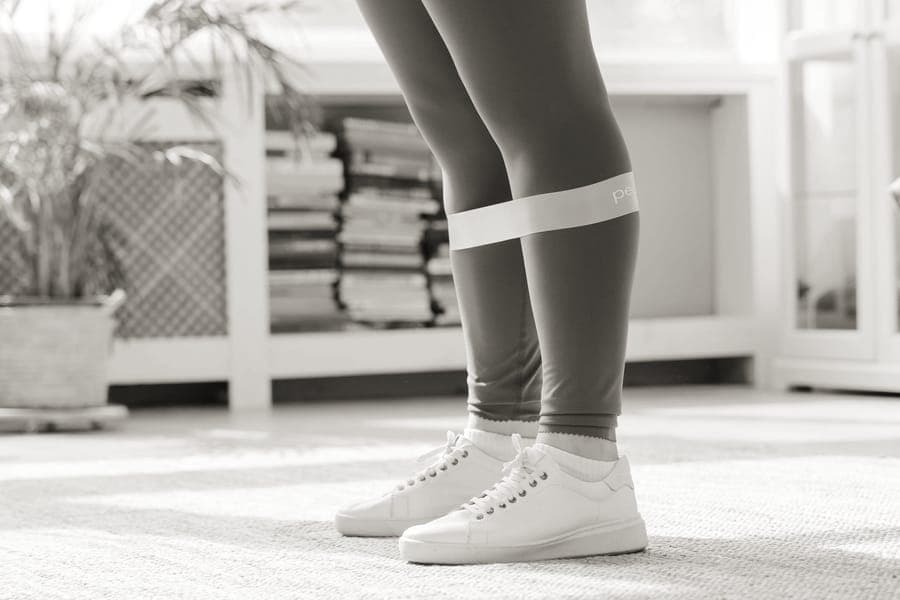 Wide Calf Compression Socks (15-20 mmHg) Cut wider through the calf while keeping the ankle compression where it belongs. | Calves a standard sock cuts into | |
| 2 | 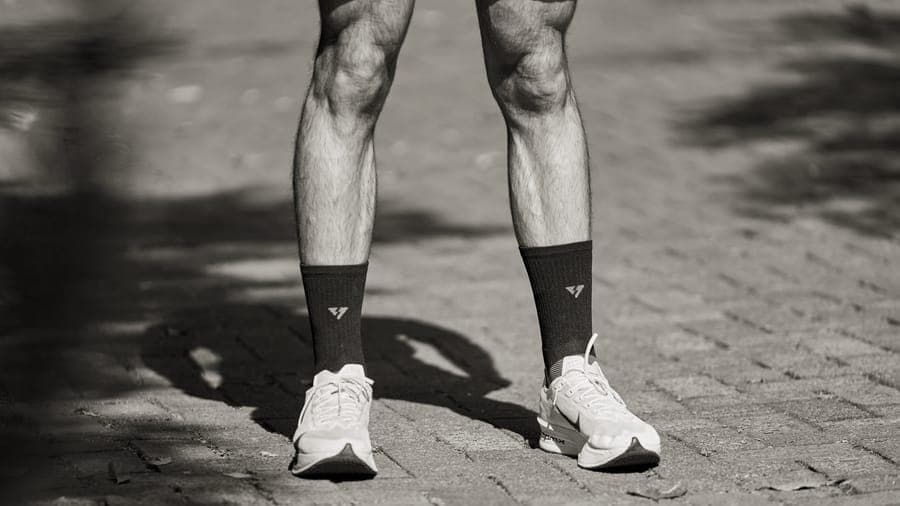 Comrad Compression Socks (15-20 mmHg) Sized on calf circumference as well as shoe size, which is what makes the fit predictable. | Getting it right first time | |
| 3 |  Sockwell Circulator Compression Socks A merino blend, which manages moisture and smell far better than nylon. | Long flights and warm cabins | |
| 4 | 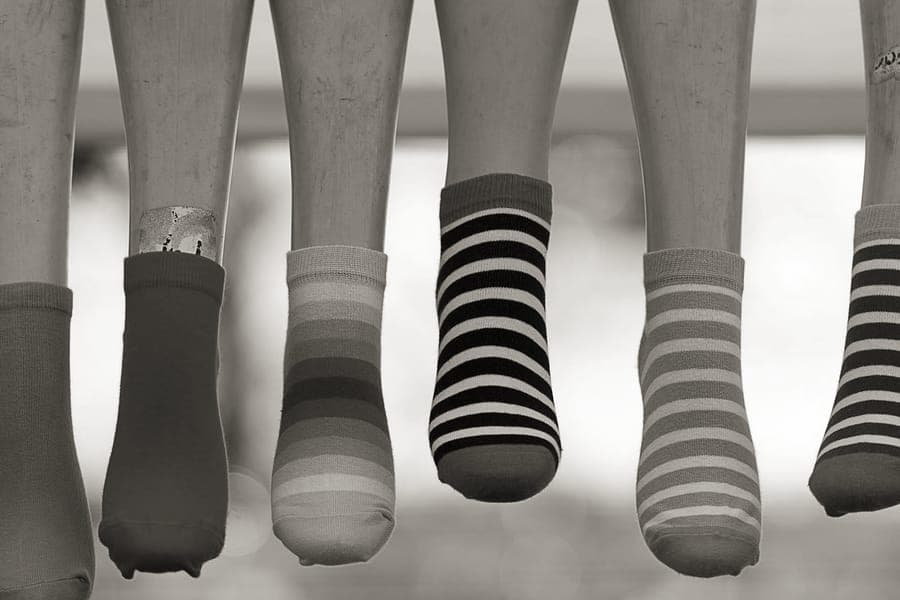 Physix Gear Compression Socks Multipack Several pairs for the price of one premium pair, so a wrong size costs little. | First-time buyers and trial sizing |
The ones designed for the measurement rather than graded up from a standard last
Wide Calf Compression Socks (15-20 mmHg)
A purpose-made wide-calf sock is knitted with more stretch and a wider upper panel, so the gradient survives at your circumference instead of inverting at the top. That is a genuinely different construction from a standard sock sold one size up - sizing up a normal sock makes the foot loose and the calf only marginally wider, which is why it never quite works.
The specs that decide it
- Compression: 15-20 mmHg - the usual flight range for general use
- Fit: Wider upper panel, so the band does not form below the knee
- Measure first: Calf circumference at its widest point, in the morning
- Gradient: Firmest at the ankle, lighter up the leg - as graduated compression should be
Flaws but not dealbreakers
Wide-calf ranges are narrower in choice, so colors and materials are limited compared with the standard lines. Quality also varies more in this category than in the mainstream brands, and a cheap pair loses its elasticity within a handful of washes.
The ones that ask for your calf measurement before they sell you a size
Comrad Compression Socks (15-20 mmHg)
The single biggest reason compression socks fit badly is that most are sold by shoe size alone, and shoe size tells you nothing about a calf. A brand that publishes a circumference range per size lets you buy from a tape measure rather than from hope, and for a wider calf that is the difference between a usable pair and a returned one.
The specs that decide it
- Compression: 15-20 mmHg
- Sizing: Calf circumference ranges published per size, not shoe size alone
- Material: Knit designed for all-day wear rather than sport use
- If you are borderline: Size up on the calf, not on the foot
Flaws but not dealbreakers
The largest published size still has a ceiling, and for a genuinely large calf it may not be enough - check the stated range against your own measurement before buying rather than assuming the top size will stretch. They are also expensive for a sock.
The merino pair for people who overheat in synthetic socks
Sockwell Circulator Compression Socks
Compression socks are tight, and tight synthetic fabric on a warm aircraft for ten hours is unpleasant in a specific way. A merino blend moves moisture and resists odor, which matters on a long-haul where the socks go on before departure and come off at the hotel. The knit also has a softer top band, which is the part that marks a wider calf first.
The specs that decide it
- Material: Merino wool blend - breathes and resists odor
- Top band: Softer than a typical nylon cuff, so it marks less
- Compression: Moderate graduated compression for travel use
- Check: Confirm the size chart against your calf measurement
Flaws but not dealbreakers
Merino is expensive and needs more care in the wash than synthetic, and the natural fibre loses elasticity sooner than nylon does. Sizing also runs on the standard pattern, so a very wide calf may be outside the published range.
The cheap way to find out whether compression suits you at all
Physix Gear Compression Socks Multipack
If you have never worn compression socks, buying one expensive pair in a size you guessed is the worst way to start. A multipack lets you try the category cheaply and work out whether you want them at all before spending on a wide-calf pair sized from a tape measure. For a wider calf, treat it as a trial rather than the answer.
The specs that decide it
- Value: Several pairs at the price of one premium pair
- Use case: Finding out whether compression suits you before committing
- Sizing: Standard pattern - not a wide-calf cut
- Honest framing: A trial purchase, not the destination for a wide calf
Flaws but not dealbreakers
Standard sizing, which is exactly the thing that fails on a wider calf - expect the band. Multipack knits also lose their compression faster than a single premium pair, so the pairs are not as cheap over time as they look.
How the four compare on fit
| Pair | Sized by | Wide-calf cut? | Best for |
|---|---|---|---|
| Wide-calf 15-20 mmHg | Calf measurement | Yes, by design | Calves a standard sock cuts into |
| Comrad | Shoe size and calf circumference | Wider range than most | Buying right first time |
| Sockwell Circulator | Standard size chart | No - check your measurement | Warm cabins, long-haul |
| Physix Gear multipack | Standard size chart | No | Trying the category cheaply |
How to measure your calf properly
This takes a minute and it is the whole difference between a sock that works and one that lives in a drawer.
- Measure in the morning, before you have been on your feet. Calves swell through the day, and a sock sized against an evening measurement will be loose when you put it on at 5am for a flight.
- Find the widest point of the calf, usually a hand's width below the back of the knee, and wrap the tape there with no tension - snug, not pulled tight.
- Measure the ankle too, at the narrowest point just above the bone. Good size charts use both numbers, because the gradient depends on the ratio between them.
- Write both numbers down and buy from a published range. If a brand publishes only shoe size, you are guessing, and for a wider calf guessing fails more often than it works.
- If you fall between sizes, go up on the calf. A slightly loose calf still delivers ankle compression; a calf that is too tight inverts the gradient and does nothing useful at all.
Why sizing up a standard sock does not work
It is the obvious thing to try and it fails for a structural reason. A compression sock is knitted to produce a specific pressure at a specific circumference. Going up a size in a standard range increases the foot and the length far more than it increases the calf panel, so you end up with a loose, sliding foot and a calf that is still at the edge of the knit's stretch.
Worse, stretching a knit beyond its design range does not just reduce the pressure - it changes where the pressure is highest. Graduated compression is supposed to be firmest at the ankle. When the top of the sock is at maximum stretch and the ankle is not, the gradient inverts, which is the opposite of the intended effect and is what produces the band and the heavy-footed feeling.
A purpose-made wide-calf sock is knitted with a different panel and more stretch in the upper leg, so the gradient still runs the right way at your measurement. That is why the top pick on this page is a cut rather than a brand.
Wearing them on a flight
- Put them on before you leave for the airport, not at the gate and not in the air. Feet swell during the day and a sock that went on easily at home is a fight at 30,000 feet.
- Roll them on, do not drag them. Turn the sock inside out to the heel, place the foot, then roll the leg up. Pulling from the cuff stretches the top band permanently.
- Smooth out every wrinkle. A fold under a compression sock becomes a pressure point within an hour.
- Walk the cabin anyway. Socks are not a substitute for moving - a lap of the aisle every couple of hours does more, and costs nothing.
- Pack a second pair in your personal item. Sweaty compression socks after a twelve-hour flight are genuinely unpleasant, and they take up almost no space - see long-haul flight essentials and best personal item bags for where they live.
- Put them on the packing list rather than trusting memory. They are the item people most often leave at home - carry-on only packing list and travel essentials for women both include them.
How we chose these
Every pair here already appears on best compression socks for flying and was re-ranked on one criterion: can somebody with a wider calf buy this from a measurement and expect it to fit? That puts published circumference ranges and purpose-made wide cuts at the top, and standard-pattern socks below them regardless of how good the sock itself is.
We make no medical claims and we do not recommend a compression level for any condition. If a clinician has specified a pressure, buy that pressure and ignore our ranking - our methodology explains the limits of what we do.
Frequently asked questions
What compression socks are best for wide calves?
How do I measure my calf for compression socks?
Why do my compression socks leave a mark below the knee?
What compression level should I wear on a flight?
When should I put compression socks on for a flight?
Read next
- Best compression socks for flying
- Long-haul flight essentials
- Best travel pillows for side sleepers
- Travel essentials for women over 50
- Carry-on only packing list
More in Travel Essentials, or see every roundup and comparison on the site.