The best compression socks for flying
Fit decides whether these do anything. Calf width is the measurement people skip, and it is the one that matters most.
By Michael W. · Last updated September 8, 2026
We earn a commission when you buy through our links, at no extra cost to you. It never changes what we pick or how we rank it. How we’re funded.
Compression socks are among the cheapest things you can add to a long flight and among the most commonly recommended, because many people find their legs and feet swell less and feel more comfortable in them. They are also the item most often bought in the wrong size, which is why plenty of people conclude they do not work.
This page is about product fit, not medical advice
We are not qualified to give medical advice and we do not. If you have a circulatory condition, a history of blood clots, diabetes, are pregnant, or have any reason to think compression might matter medically for you, the compression level is a question for your doctor, not a chart on a product page. Everything below is about choosing a sock that fits.
The mechanics are simple: graduated compression is tightest at the ankle and eases up the calf. That gradient is the whole design, and it only works if the sock is the right size. Too loose and the gradient does nothing. Too tight and it is uncomfortable and you will take them off.
Quick picks
The short list. Tap any row for the full write-up, including what each one is bad at.
| # | Product | Best for | Price |
|---|---|---|---|
| 1 | 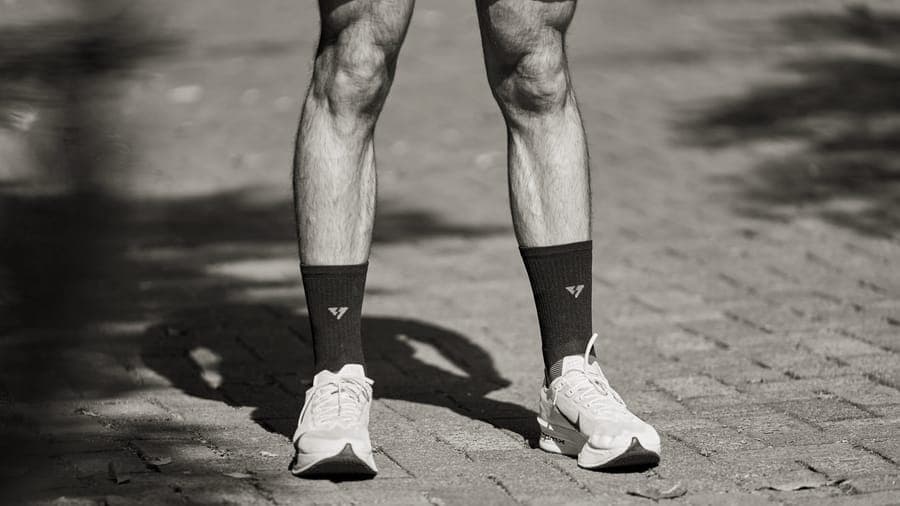 Comrad Compression Socks (15-20 mmHg) 15-20 mmHg, the common travel range, with a size chart that asks about your calf. | Most travelers | |
| 2 | 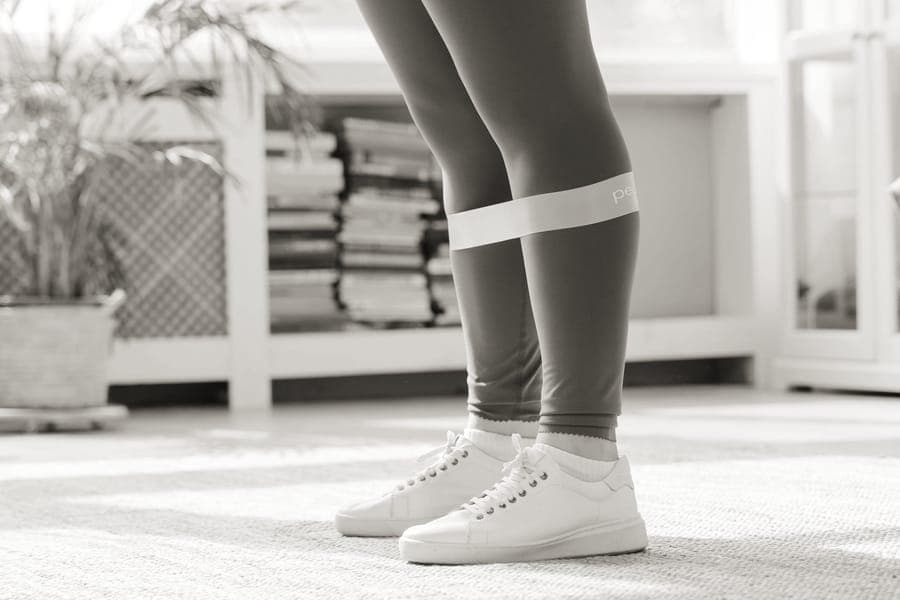 Wide Calf Compression Socks (15-20 mmHg) Sized for wider calves, so the top band does not become a tourniquet. | Calves outside standard sizing | |
| 3 |  Sockwell Circulator Compression Socks A merino blend at moderate compression - easier to get on and to wear all day. | First-time users | |
| 4 | Physix Gear Compression Socks (Multipack) A multipack at low cost, which is the right way to test whether these suit you. | Trying compression |
The ones with sizing that accounts for calf width
Comrad Compression Socks (15-20 mmHg)
The sensible default. 15-20 mmHg is the range most commonly suggested for travel comfort, and the thing that separates good brands here is a size chart that asks for calf circumference rather than just shoe size. That one detail is what makes the difference between socks that work and socks in a drawer.
The specs that decide it
- Compression: 15-20 mmHg - the common travel range
- Sizing: By calf circumference as well as shoe size
- When to put them on: Before you leave home, not once your feet have swollen
Flaws but not dealbreakers
Getting graduated socks on takes effort, and it is much harder once feet have already swollen - which is exactly when people remember them. Merino or cotton-blend versions are also warm, which is noticeable on a hot day before boarding.
The ones that do not cut a band into your leg
Wide Calf Compression Socks (15-20 mmHg)
Standard compression socks are cut for a narrow range of calf circumferences, and outside that range the top band digs in - which is both uncomfortable and the opposite of what graduated compression is supposed to do. Wide-calf versions are a genuine product category, not a euphemism.
The specs that decide it
- Compression: 15-20 mmHg, in a wider cut
- Fits: Calf circumferences above standard sizing ranges
- Check: Measure your calf at its widest point before ordering
Flaws but not dealbreakers
Wide-calf ranges are smaller, so there is less choice of color and material. If you are between sizes, a sock that is too loose provides no meaningful compression at all - measure rather than estimate.
The ones to start with if firm compression is unpleasant
Sockwell Circulator Compression Socks
Firm compression is genuinely unpleasant for some people, and a sock you take off after two hours does nothing. A moderate merino-blend sock is easier to put on, more comfortable over a long day of travel, and more likely to stay on - which matters more than a higher number.
The specs that decide it
- Compression: Moderate graduated compression
- Material: Merino blend - breathes better than synthetic
- Wear: Comfortable enough for a full travel day, not just the flight
Flaws but not dealbreakers
Lighter compression means less of whatever benefit you are seeking, so if you have specifically been advised to use a firmer level this is not the right product. Merino is also warm on a hot day.
The ones to buy if you are not sure you will like them
Physix Gear Compression Socks (Multipack)
Fit is individual and hard to predict from a chart, so spending significantly on your first pair is a poor bet. A cheap multipack lets you find out whether compression suits you at all before committing - and if it does, you now have pairs for consecutive travel days.
The specs that decide it
- Compression: Typically 20-30 mmHg - firmer than the usual travel range
- Value: Multipack, so several pairs for the cost of one premium pair
- Check: 20-30 mmHg is firm; consider starting lower
Flaws but not dealbreakers
Budget compression socks lose their elasticity faster, and a stretched-out compression sock provides no compression - it is just a sock. The 20-30 mmHg level is also firmer than most travel guidance suggests, which some people find genuinely uncomfortable.
How they compare
| Pick | Compression | Sizing by calf? | Material | Best for |
|---|---|---|---|---|
| Comrad | 15-20 mmHg | Yes | Cotton blend | Most travelers |
| Wide calf socks | 15-20 mmHg | Yes, wider range | Varies | Wider calves |
| Sockwell Circulator | Moderate | Yes | Merino blend | First-time users |
| Physix Gear multipack | 20-30 mmHg | Partly | Synthetic | Trying compression cheaply |
How to size compression socks
Measure your calf at its widest point, and measure your ankle just above the bone. Do it in the morning before any swelling, and use those numbers against the manufacturer's chart rather than ordering by shoe size alone. Shoe size tells the maker about your foot; compression happens on your calf.
- Too loose is the more common error and it means the graduated gradient does nothing. The sock is a sock.
- Too tight causes a visible band at the top, pins and needles, or numbness. Take them off and go a size up - this is not something to push through.
- Between sizes? Go by calf, not by foot. The calf measurement is the one the compression is built around.
- Check the length. Knee-high is the usual travel choice; thigh-high is a different product for different reasons.
What the mmHg numbers mean
| Level | Range | Typically described as |
|---|---|---|
| Light | 8-15 mmHg | Everyday wear, mild support |
| Moderate | 15-20 mmHg | The usual travel range |
| Firm | 20-30 mmHg | Often described as medical grade |
| Extra firm | 30-40 mmHg | Generally prescribed rather than chosen |
For general travel comfort, 15-20 mmHg is what is most commonly suggested and is what most travel-marketed socks use. Higher is not automatically better - firmer compression is harder to get on, less comfortable over a full travel day, and more likely to end up in your bag rather than on your legs.
When to ask a doctor rather than a website
If you have a circulatory or arterial condition, diabetes, neuropathy, a history of blood clots, or you are pregnant, the right compression level is a medical question. We have no basis to answer it and we will not try.
When to put them on
Before you leave home, not once you are in your seat. Graduated socks are difficult to put on at the best of times and much harder once your feet have already started to swell - which begins during the journey to the airport, not at cruise altitude.
Wear them for the whole travel day rather than just the flight, and take them off once you arrive and can move around properly. On flights under about four hours most people do not need them; past six the recommendation becomes more common, and on very long flights they are one of the cheapest things you can do - see long-haul flight essentials.
The other things commonly suggested alongside them are free: drink water, walk the cabin when it is safe to, and flex your ankles periodically in your seat.
How we chose these picks
Whether the sizing accounts for calf circumference, since that is what decides whether a compression sock functions at all. Then compression level appropriate to travel rather than the highest number available. Then material and breathability, because these are worn for a full travel day. Then whether a wide-calf option exists, which a lot of the category ignores.
We make no claims about medical outcomes, we have not tested compression levels, and we do not run a lab. Our methodology sets out exactly what we do and do not stand behind.
What we passed over
- Socks sized by shoe size only. Compression happens on the calf, so a chart that never asks about your calf cannot fit you correctly.
- Compression sleeves without a foot. They leave the foot unsupported, which is where swelling is most noticeable on a flight.
- 30-40 mmHg socks marketed for general travel. That level is generally prescribed rather than chosen, and it is uncomfortable enough that most people will not keep them on.
- Anything making specific medical claims. We are not qualified to evaluate those and will not repeat them.
Frequently asked questions
Do compression socks help on long flights?
What compression level should I use for flying?
How do I size compression socks?
Are there compression socks for wide calves?
When should I put compression socks on?
Can I wear compression socks if I am pregnant?
Read next
- Long-haul flight essentials
- Best travel pillows
- Travel essentials for women
- Best personal item bags
- Carry-on size by airline
More in Travel Essentials, or see every roundup and comparison on the site.