The best travel pillows
The U-shape is the default and the wrong answer for most people. Buy for how your head falls, not for what looks like a travel pillow.
By Michael W. · Last updated September 8, 2026
We earn a commission when you buy through our links, at no extra cost to you. It never changes what we pick or how we rank it. How we’re funded.
Most travel pillows fail for a specific mechanical reason: a U-shaped cushion supports the back of your neck, and almost nobody's head falls backward. It falls sideways, or forward. A pillow that cushions a direction your head does not go is a pillow that does nothing.
So the useful way to choose is by how you actually fall asleep, not by shape. Watch yourself on the next flight, or think about the last time you dozed in a car. Side, forward, or upright against the headrest - each one has a different right answer, and buying for the wrong one is why people conclude travel pillows do not work.
Quick picks
The short list. Tap any row for the full write-up, including what each one is bad at.
| # | Product | Best for | Price |
|---|---|---|---|
| 1 | 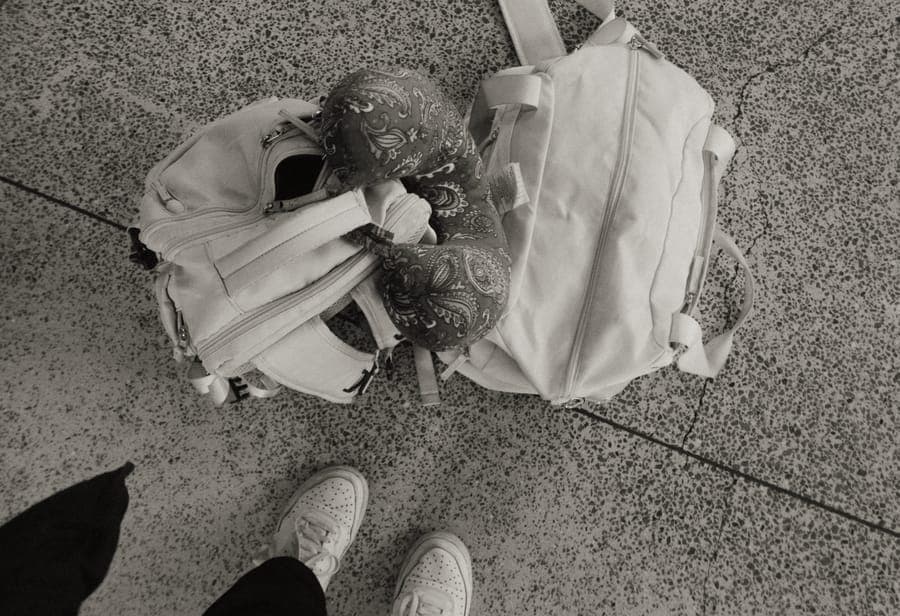 Trtl Travel Pillow An internal support brace rather than a cushion, holding the head in position. | Side sleepers | |
| 2 |  Ostrichpillow Go Travel Pillow A denser memory foam U that fills the gap in front rather than behind. | Forward sleepers | |
| 3 |  Cabeau Evolution S3 Travel Pillow Memory foam that packs into a case at a fraction of its used size. | Carry-on-only travel | |
| 4 | 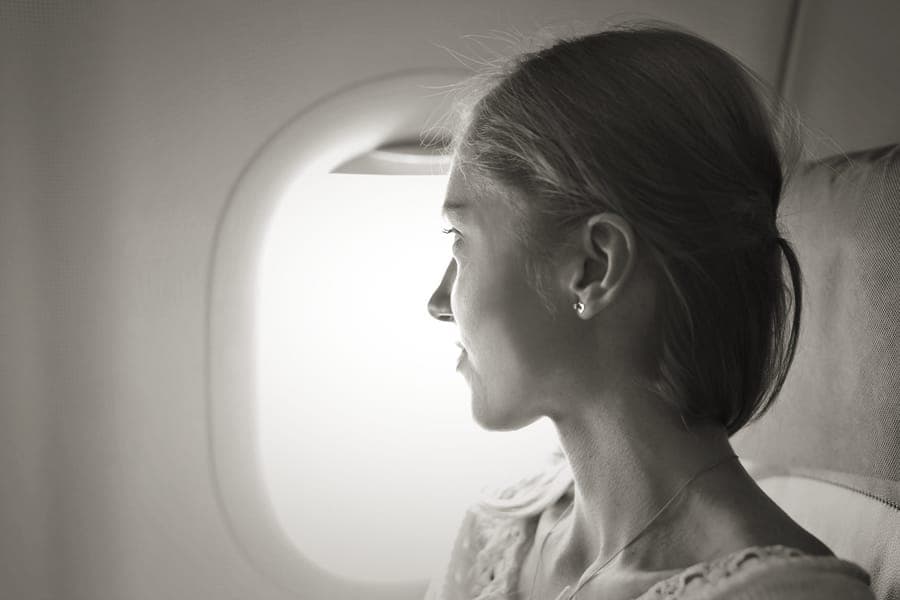 Inflatable Travel Neck Pillow Packs to the size of a fist, and adjusts firmness by how much you inflate it. | Occasional flyers and upright sleepers | |
| 5 |  Kids Travel Pillow with Chin Support Adult pillows are too large to support a child's head at all. | Children |
The one that stops your head falling sideways
Trtl Travel Pillow
If you wake because your head dropped toward your shoulder, this is the category. A rigid internal support holds the head at an angle instead of cushioning it after it has already fallen, which is the difference between a pillow that helps and one that is just around your neck.
The specs that decide it
- Supports: Sideways head fall - the most common sleep interruption
- Type: Internal brace inside a wrap, not a foam or inflatable U
- Packing: Wraps flat around a bag strap
Flaws but not dealbreakers
Asymmetric and odd to wear at first, and the fabric wrap around your neck is genuinely hot in a warm cabin. It also does nothing for forward head fall, which is the other common failure mode.
The one for people whose chin ends up on their chest
Ostrichpillow Go Travel Pillow
If your head drops forward, you need volume in front of your neck to stop the chin reaching the chest. A denser, fuller U-shape does that where a soft squashy one collapses. Worn slightly rotated, with the opening at the back, it supports the front.
The specs that decide it
- Supports: Forward head fall, when worn with the opening at the back
- Fill: Dense memory foam, which does not collapse under load
- Adjustment: Closure at the front to stop it spreading
Flaws but not dealbreakers
Memory foam does not compress much, so this is genuinely bulky in a carry-on - the single biggest drawback of the type. It also traps heat around the neck on a warm flight.
The one you will actually bring
Cabeau Evolution S3 Travel Pillow
The best travel pillow is the one you have with you. Memory foam pillows work well and are bulky, which is why they end up left at home - a version that compresses into a carry case removes that objection and makes the whole category viable on a carry-on-only trip.
The specs that decide it
- Packs to: A fraction of its used size, in a carry case
- Fill: Memory foam, with side support that resists head fall
- Attachment: Clips to a bag strap
Flaws but not dealbreakers
Compressed memory foam takes a few minutes to expand fully, so put it on before you want to sleep rather than after. Repeated compression also shortens the foam's useful life.
The one that weighs nothing and is better than nothing
Inflatable Travel Neck Pillow
If you sleep upright against the headrest and mostly want your neck not to ache, an inflatable pillow is genuinely sufficient - and it takes no space. Being able to adjust firmness by inflation is also a real advantage that foam cannot match.
The specs that decide it
- Packs to: About the size of a fist
- Adjustable: Firmness set by how much you inflate it
- Weight: Negligible
Flaws but not dealbreakers
Inflatable pillows are noticeably less comfortable than foam - the surface is hard and plastic-backed ones get sweaty. They also puncture, and a punctured travel pillow is nothing at all.
The one sized for a smaller head and neck
Kids Travel Pillow with Chin Support
An adult U-shaped pillow on a child sits too low and too wide to support anything - it is a collar rather than a support. A correctly sized pillow with chin support actually holds a smaller head, and a child who sleeps on a flight changes the trip for everyone in the row.
The specs that decide it
- Sizing: Scaled to a child's neck - adult pillows do not work
- Support: Chin support, since children's heads fall forward more
- Age range: Check the specific product - sizing varies considerably
Flaws but not dealbreakers
Children outgrow these quickly, so it is a short-lived purchase. Anything around a child's neck and chin also needs supervising, particularly with younger children and on a sleeping child.
How they compare
| Pick | Supports | Packed size | Comfort | Best for |
|---|---|---|---|---|
| Trtl | Sideways fall | Small, wraps flat | Warm around the neck | Side sleepers |
| Ostrichpillow Go | Forward fall | Bulky | High | Forward sleepers |
| Cabeau Evolution S3 | Sideways fall | Compresses | High | Carry-on only |
| Inflatable | Neck only | Tiny | Low | Upright sleepers |
| Kids pillow | Forward fall, small necks | Small | Scaled correctly | Children |
Work out how you sleep first
This is the whole decision and it takes one observation. Next time you doze in a car or on a plane, notice which way your head goes when you lose control of it.
| Your head falls | You need | Not |
|---|---|---|
| Sideways, toward a shoulder | A brace that holds it at an angle | A soft U-shaped cushion |
| Forward, chin to chest | Volume in front of the neck | A pillow worn the usual way round |
| Backward, or stays put | A simple neck cushion, or nothing | Anything expensive |
The third row is the honest one. If you sleep upright against a headrest and your head stays put, a travel pillow adds bulk for very little return. An eye mask and earplugs will do far more for your sleep - see long-haul flight essentials.
Travel pillows for long flights specifically
On a flight under about four hours, a travel pillow is barely worth the bulk - you will not sleep deeply enough for head support to matter. Past six hours, and certainly past ten, it becomes one of the few things that meaningfully changes how you arrive.
The practical constraint is that it has to live in your under-seat bag, because you will want it after the lights go down and the overhead bin is effectively closed by then. That is the real argument for a compressible pillow over a bulky memory foam one - see best personal item bags for the bag it has to fit in.
What 'neck support' actually needs to do
Support is not cushioning. A soft pillow cushions your head after it has fallen, which means you have already woken up. Support stops the head moving in the first place, which requires something firm enough to resist the weight of a head - about ten to twelve pounds.
This is why dense foam and rigid internal braces outperform squashy microbead pillows, however comfortable the latter feel in a shop. Press the pillow hard with your thumb: if it collapses easily, it will collapse under your head too.
How we chose these picks
By sleeping position rather than by shape, because that is the variable that decides whether a pillow works for a given person. Then support firmness, tested by whether the fill resists rather than cushions. Then packed size, since a pillow left at home helps nobody. Then heat, which is the most common complaint about the products that support best.
Comfort is genuinely subjective and we have not measured sleep outcomes - we do not run a lab. Our methodology sets out where our confidence comes from and where it stops.
What we passed over
- Soft microbead U-pillows. They feel pleasant and collapse under the weight of a head, which is the only load they will ever carry.
- Pillows that strap to the tray table. They require the tray down for the whole flight, which crew will ask you to stow for takeoff, landing and turbulence.
- Full-face hood pillows. Genuinely effective at blocking light and genuinely hot, claustrophobic and conspicuous. An eye mask does most of it.
- Inflatable footrest and leg-hammock combinations. Banned by a growing number of carriers, and they restrict the row behind you.
Frequently asked questions
What is the best travel pillow?
Do travel pillows actually work?
What is the best travel pillow for side sleepers?
Are memory foam travel pillows better than inflatable ones?
Do kids need a different travel pillow?
Read next
- Long-haul flight essentials
- Best personal item bags
- Best compression socks for flying
- Travel essentials for women
- Personal item size by airline
More in Travel Essentials, or see every roundup and comparison on the site.