How to sleep on a plane
Your head is the problem. Support it so it cannot fall forward, block the light and the noise, and stop fighting the aircraft's schedule.
By Michael W. · Last updated October 5, 2026
We earn a commission when you buy through our links, at no extra cost to you. It never changes what we pick or how we rank it. How we’re funded.
The single thing that keeps people awake in an economy seat is head fall: the moment your neck relaxes, your head drops forward, and the jolt wakes you. Fix that with support that physically prevents the drop, block cabin light and noise, and align your attempt with the cabin's own schedule - those three things, in that order, produce more sleep than anything else you can do on board.
Everything else that gets recommended is secondary. A good seat helps. Hydration helps. Not drinking helps. But if your head still falls forward every twenty minutes, none of it matters, because the interruption is mechanical rather than chemical.
What follows is the sequence that works, what to carry, and an honest note on where this page stops: we cover comfort and kit, not sleep medication or medical conditions, which are a conversation with a doctor rather than with a gear site.
Solve head fall first, because nothing else matters until you do
An economy seat holds your body but not your head. As you fall asleep your neck muscles release, your head tips forward or sideways, and the sudden movement wakes you - over and over, for the length of the flight. That is the loop to break.
Which pillow works depends on how you sleep, which is why there is no single best travel pillow. Three honest categories:
- Head falls forward: you need something that catches the chin or holds the head from the front. Dense foam worn with the opening at the back, or an internal-support design.
- Head falls sideways: you need support between your shoulder and your ear. An internal-support wrap is the most effective shape here.
- Head rests back against the headrest already: you need the least - a simple contoured pillow to stop lateral drift, and nothing bulky.
Best travel pillows sorts the options by sleeping position, and best travel pillows for side sleepers goes deeper on the hardest case.
Then remove light and noise, which is the cheapest win available
Cabin lighting follows the service schedule, not yours - and on a night flight the lights come up for a meal at a time that suits the galley. A contoured eye mask that does not press on your eyelids is a few ounces and it removes the problem entirely.
Noise is the other half. Foam earplugs are the lightest effective answer and they cut the cabin roar that keeps you in shallow sleep. The trade-off is real: they also block announcements, so if you are expecting a connection update, use noise-canceling headphones instead and accept the bulk and the charging.
Where to sit, if you get to choose
A window seat gives you something to lean against and nobody climbing past you. Forward of the wing is usually quieter than behind the engines. A bulkhead has no seat in front to recline into you, and no under-seat storage.
Stop fighting the cabin's schedule
- Decide before boarding whether this is a sleeping flight. If it is, skip the meal service rather than staying awake for it - most airlines will let you ask for it later or not at all.
- Set up once, properly. Pillow, mask, earplugs, water within reach, seatbelt visible over the blanket so a crew member does not need to wake you to check it.
- Lean back at the first opportunity. Reclining when the person behind you is also settling is easier than doing it during the meal.
- Treat interruptions as expected. Turbulence, a service announcement and a seatbelt check will happen. Being set up to fall back asleep matters more than sleeping through them.
- Get up once on a long sector. One walk at the midpoint is better for how you feel on arrival than an unbroken seven hours in the seat.
On the aircraft side of comfort, the rest of the kit that earns its space is in long-haul flight essentials, which covers what to keep at your feet versus overhead.
The economy-seat version, and the middle seat
In economy your only real degrees of freedom are head support, light, noise and what you do with your feet. Put the bag you need in flight under the seat and the rest overhead, because footwell space you can actually use is worth more than convenience - best personal item bags covers bags that fit the space without filling it.
In a middle seat, sideways head fall is the problem and there is no window to lean on, which makes an internal-support design the most useful thing you can own. Keep your elbows in front of the armrest line rather than on it, and accept that you will be woken by neighbours - the aim is to fall back asleep quickly rather than to sleep straight through.
What this page deliberately does not cover
Sleep medication, melatonin dosing, and anything involving a medical condition. Those are questions for a doctor or a pharmacist who knows your history, not for a travel gear site, and the honest answer here is that we are not qualified to give one.
The same applies to compression socks if you are pregnant, have a circulatory condition or have had a clot: the right compression level is a medical decision. We cover fit and comfort only - best compression socks for flying is written on that basis.
Quick picks
The short list. Tap any row for the full write-up, including what each one is bad at.
| # | Product | Best for | Price |
|---|---|---|---|
| 1 | 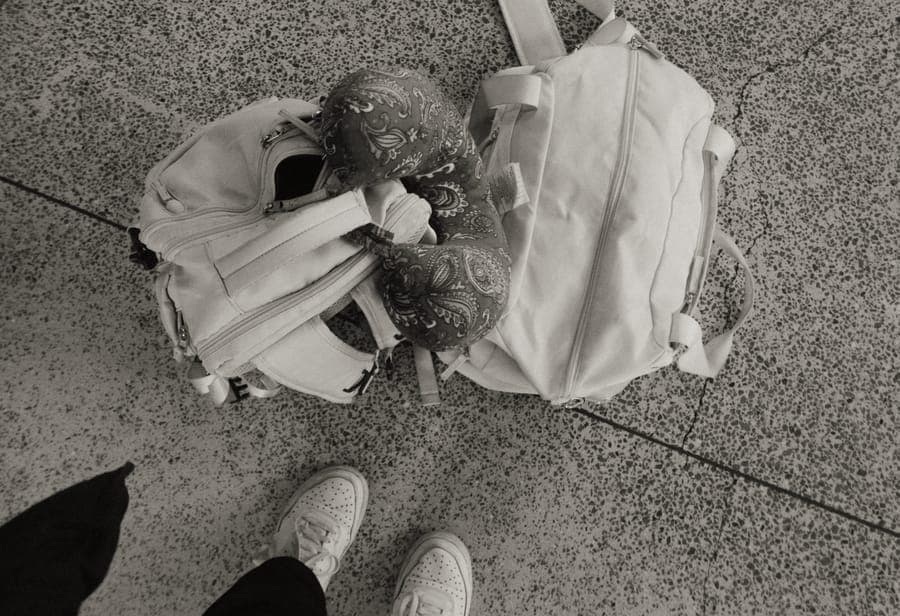 Trtl Travel Pillow Internal support rather than a foam ring, so it holds a position instead of filling a gap. | Side and forward sleepers | |
| 2 | 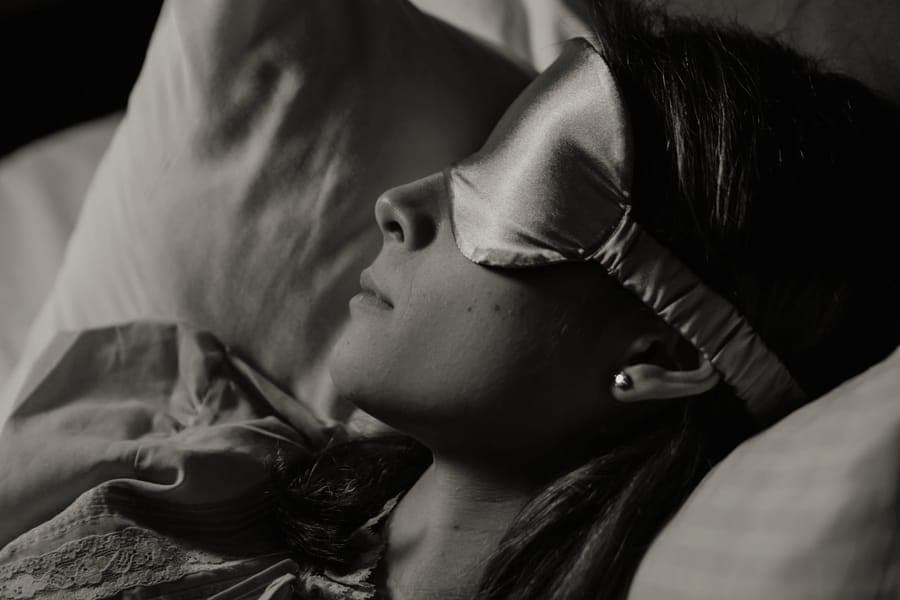 Travel Eye Mask and Earplugs Set Cabin lighting and cabin noise, solved for almost no weight. | Every flight | |
| 3 |  Ostrichpillow Go Travel Pillow Dense memory foam that does not collapse once your head is actually heavy. | Forward sleepers | |
| 4 | 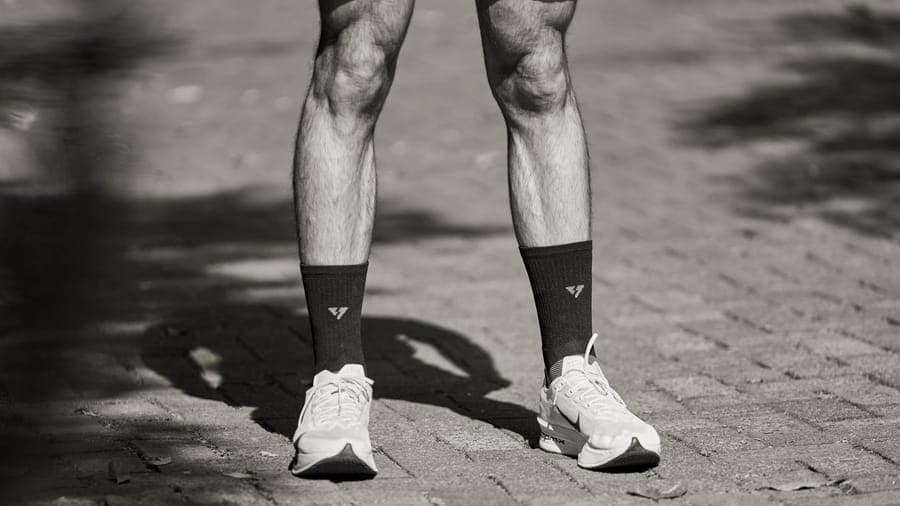 Comrad Compression Socks (15-20 mmHg) Worn from the start, not once your feet have already swollen. | Flights over six hours |
The one that stops your head dropping sideways or forward
Trtl Travel Pillow
Anyone whose head falls to the side or forward rather than resting back against the headrest. The internal support holds the head at an angle instead of simply padding the space around your neck, which is the difference between dozing and actually sleeping.
The specs that decide it
- Type: Internal support rather than an inflatable or foam U-shape
- Suits: Side sleepers and forward sleepers
- Packing: Wraps flat around a bag strap rather than clipping on as a lump
Flaws but not dealbreakers
It sits asymmetrically and takes getting used to, and in a warm cabin the fabric around your neck is genuinely hot. It also does nothing for people who sleep upright against a headrest, who are better served by a simple contoured pillow.
The cheapest, lightest thing on this page and the hardest to beat
Travel Eye Mask and Earplugs Set
Everybody. Cabin lights come up for service at times that have nothing to do with your sleep, and a contoured mask that does not press on your eyes plus a pair of earplugs removes the two commonest interruptions for a weight penalty close to zero.
The specs that decide it
- Solves: Cabin lighting and noise, the two commonest sleep interruptions
- Weight: Negligible - the best ratio on this list
- Type: Contoured mask, so it does not press on your eyes
Flaws but not dealbreakers
Foam earplugs block announcements as well as noise, which matters if there is a gate change or a genuine instruction. Noise-canceling headphones are better for this reason but are far bulkier and need charging.
The one for people who sleep with their head forward
Ostrichpillow Go Travel Pillow
Travelers who have tried inflatable rings and found them useless. Dense foam keeps supporting at full load rather than squashing flat, and worn with the opening at the back it catches the forward fall that the ring shape never does.
The specs that decide it
- Supports: Forward head fall, when worn with the opening at the back
- Fill: Dense memory foam, which does not collapse under load
- Adjustment: Closure at the front to stop it spreading
Flaws but not dealbreakers
Memory foam does not compress much, so this is genuinely bulky in a carry-on - the single biggest drawback of the type. It also traps heat around the neck on a warm flight.
The one that makes a long sector less uncomfortable to sit through
Comrad Compression Socks (15-20 mmHg)
Long-haul passengers who find their feet tight and uncomfortable by hour five, which is its own obstacle to sleeping. Put them on before you leave home - they are difficult to get on once swelling has started, which is precisely when people remember them.
The specs that decide it
- Compression: 15-20 mmHg is the common travel range
- Fit: Measure your calf, not just your shoe size
- Wear: Put them on before you leave, not once your feet have swollen
Flaws but not dealbreakers
They are difficult to get on once your feet have already swollen, which is exactly when people remember them. And if you have a circulatory condition, are pregnant, or have had a clot, the right compression level is a medical question rather than a shopping one.
Frequently asked questions
How can I sleep on a plane in economy?
What is the best travel pillow for sleeping on a plane?
How do I sleep in a middle seat?
Should I skip the meal service to sleep?
Do earplugs or noise-canceling headphones work better on a plane?
Does a window seat help you sleep?
Read next
- Best travel pillows
- Long-haul flight essentials
- Best travel pillows for side sleepers
- Best compression socks for flying
- Best personal item bags
- Travel essentials for women
More in Travel Essentials, or see every roundup and comparison on the site.