Are travel pillows worth it?
Most abandoned travel pillows were the wrong type, not a waste of money. The question is which failure mode you have.
By Michael W. · Last updated October 6, 2026
We earn a commission when you buy through our links, at no extra cost to you. It never changes what we pick or how we rank it. How we’re funded.
On any flight over about five hours, and on every overnight flight, yes - provided you buy for how your head actually falls. On a two-hour daytime hop, no: it is bulk in a carry-on you will not take out of the bag. The reason so many travel pillows end up abandoned in seat pockets is not that they are a bad idea, it is that most people buy the standard round U-shape and that shape fails for a specific, common reason.
A conventional round neck pillow wedges the back of your head forward, off the headrest. Within an hour your neck is held in a position it does not want, and the pillow comes off. The fixes are either a flat rear panel - which the Cabeau Evolution S3 has - or a completely different mechanism, like the Trtl's internal brace.
So the question to ask before you buy is not which pillow is best. It is what wakes you up on a plane, because there are only two or three common answers and each points at a different product.
Work out what actually wakes you
Pay attention on one flight. There are only a few common answers and each one points at a different product - or at no product.
| What wakes you | What to buy | Why |
|---|---|---|
| Head slides sideways off your shoulder | A brace, like the Trtl | Foam pads the landing; a brace prevents it |
| Chin drops to your chest | A taller collar | You need height under the jaw, not at the sides |
| Neck aches after an hour in a U-pillow | A flat-backed pillow | A round U wedges your head forward |
| Cabin light and noise | Eye mask and earplugs | Cheaper and more effective than any pillow |
| You simply cannot settle | Memory foam | It tolerates movement; a brace does not |
| Nothing - you sleep fine | Nothing | Do not carry what you will not use |
If you sleep on your side in bed, the sideways drop is almost certainly your issue - best travel pillows for side sleepers goes deeper on that case, and Trtl vs Cabeau travel pillow is the direct comparison.
Flight length decides whether it is worth the space
- Under three hours, daytime: no. You will not sleep, and the pillow is pure bulk.
- Three to five hours: marginal. Worth it if you are flying on to something that needs you functional.
- Over five hours: yes, for most people, because a broken nap is worse than no nap.
- Overnight, any length: yes, and this is the case where the right type matters most.
- Long-haul in a lie-flat seat: no. The seat has solved the problem.
On a carry-on-only trip there is a real opportunity cost: a memory-foam pillow is a visible fraction of a 7 kg cabin allowance and of the volume. That is the argument for the Trtl or an inflatable - see carry-on-only packing list.
Clip it, do not carry it
Most pillows come with a clip or a strap so they can hang off a bag handle rather than eat packing space. That changes the calculation on a carry-on-only trip more than any specification does.
Buy the cheap things first
If you are starting from nothing, the order to buy in is not the order the marketing suggests. An eye mask and earplugs cost a fraction of a pillow, weigh almost nothing, and remove two of the three reasons people do not sleep on planes. Head position is the third, and the most expensive to fix.
Hydration, a window seat where you can lean on something solid, and avoiding alcohol do more than any of it. How to sleep on a plane covers the whole problem, and long-haul flight essentials is the kit list for an overnight sector.
The honest verdict
Worth it on long and overnight flights, if you buy for your own failure mode rather than buying the default shape. Not worth it on short daytime flights, and not worth it at all if you already sleep fine sitting up - some people do, and no product improves on that.
If you are going to buy one, best travel pillows is the shortlist by type. If you are not sure yet, an inflatable is the cheapest way to find out whether a pillow is the thing standing between you and sleeping on a plane.
Quick picks
The short list. Tap any row for the full write-up, including what each one is bad at.
| # | Product | Best for | Price |
|---|---|---|---|
| 1 | 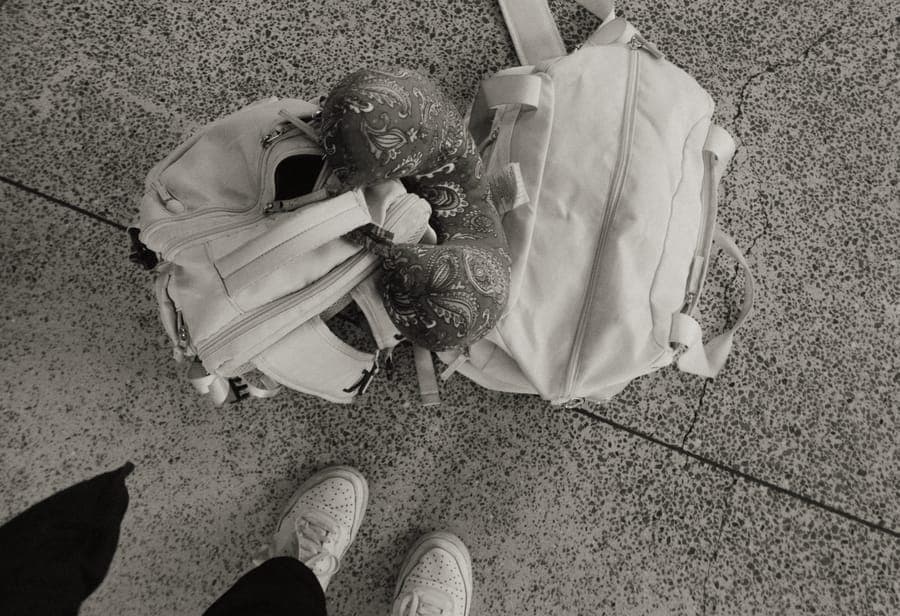 Trtl Travel Pillow A hidden brace rather than a cushion, and it packs down to nearly nothing. | Side droppers | |
| 2 |  Cabeau Evolution S3 Travel Pillow Memory foam with a flat back, so your head is supported without being pushed forward. | Varied positions | |
| 3 |  Inflatable Travel Neck Pillow Deflates to nothing, costs least, and is firm rather than plush. | Minimal packers | |
| 4 | 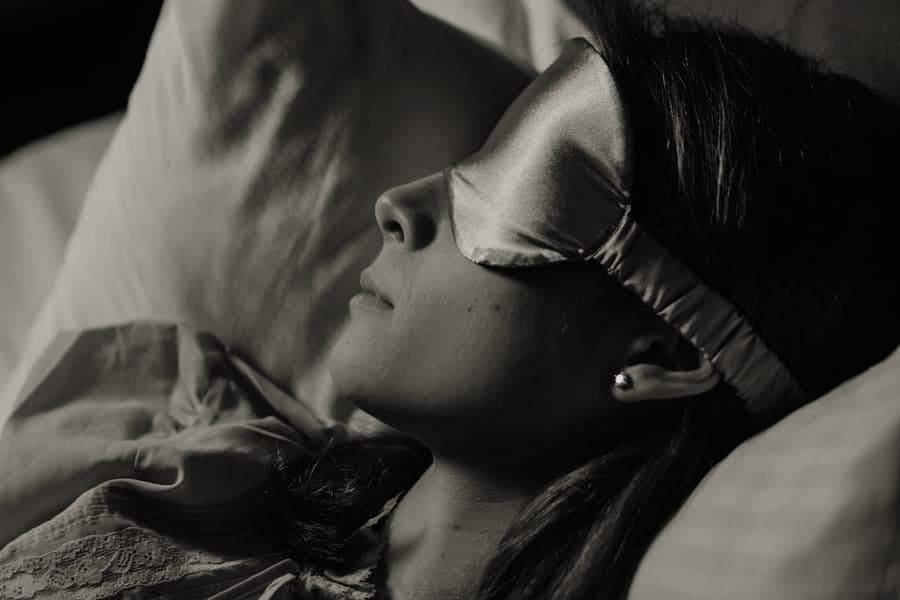 Travel Eye Mask and Earplugs Set Removes two sleep interruptions for a fraction of a pillow's cost and bulk. | Light and noise |
The one if your head falls off your shoulder
Trtl Travel Pillow
Anyone whose flight sleep is broken repeatedly by their head sliding sideways. The internal brace resists that movement, which a soft cushion cannot, and it rolls up small enough that the carry-on cost is close to zero.
The specs that decide it
- Mechanism: Internal support brace wrapped in fleece
- Packed size: Rolls down small - fits a jacket pocket
- Weight: Very light compared with a foam pillow
- Support: One side at a time, held firmly
Flaws but not dealbreakers
It braces one side, so you commit to a direction and have to re-wrap it to change. The fleece gets warm on a hot cabin, and it does nothing for the back of your head if you sleep facing forward.
The one that fixes the round-U problem
Cabeau Evolution S3 Travel Pillow
Travelers who shift position repeatedly and want support in all of them. The flat rear panel is the detail that matters, and it is the difference between a pillow you keep on for eight hours and one you abandon after one.
The specs that decide it
- Fill: Contoured memory foam
- Back panel: Flat, so your head is not pushed forward off the headrest
- Support: Both sides and the back of the neck
- Cover: Removable and washable
Flaws but not dealbreakers
It is bulky. Even compressed it takes real space in a carry-on, and on a 7 kg cabin allowance that is weight and volume spent on one comfort item. Memory foam also gets warm.
The one for when space is the binding constraint
Inflatable Travel Neck Pillow
Carry-on-only travelers who want something rather than nothing, and anyone unconvinced enough not to want to spend much. Deflated it is the size of a pair of socks, so it costs almost no space on the legs where you do not need it.
The specs that decide it
- Packed size: Deflates to roughly the size of a pair of socks
- Firmness: Adjustable by how much you inflate it
- Weight: The lightest option here
- Cost: The cheapest way to test whether you want one at all
Flaws but not dealbreakers
Firm rather than supportive, and the surface squeaks against a seat back, which is its own kind of sleep interruption. It also loses pressure slowly over a long flight.
The one to buy first if you are only buying one thing
Travel Eye Mask and Earplugs Set
Anyone who has not yet solved light and noise. A cabin is bright and loud, and both are easier and cheaper to fix than head position - which is why this is the first purchase, not the last.
The specs that decide it
- Addresses: Light and noise - two of the three interruptions
- Weight: A few ounces for the pair
- Packed size: Fits a pocket, so there is no carry-on cost
- Cost: A fraction of a memory-foam pillow
Flaws but not dealbreakers
Foam earplugs are uncomfortable for some ears and a contoured mask does not seal on every face shape, so there is some trial and error. Neither does anything at all about head position.
Frequently asked questions
Are travel pillows worth it?
Why do travel pillows feel uncomfortable?
Is a neck pillow worth it for long flights?
What type of travel pillow is best?
Is a travel pillow worth the carry-on space?
What is better than a travel pillow?
Read next
- Best travel pillows
- Trtl vs Cabeau travel pillow
- Best travel pillows for side sleepers
- How to sleep on a plane
- Long-haul flight essentials
- Carry-on-only packing list
More in Travel Essentials, or see every roundup and comparison on the site.