Osprey Farpoint vs Fairview
Same bag, same capacity, same clamshell. Different back panel and strap geometry. That is the entire comparison, and it decides everything.
By Michael W. · Last updated October 5, 2026
We earn a commission when you buy through our links, at no extra cost to you. It never changes what we pick or how we rank it. How we’re funded.
Buy the Fairview if your torso is shorter and your shoulders narrower; buy the Farpoint if your torso is longer. Everything else about the two packs is the same. Same 40-liter capacity, same clamshell opening, same stowable harness, same place in the carry-on envelope - the difference is the back panel length and the shape and spacing of the shoulder straps.
Osprey markets the Fairview as the women's version and the Farpoint as the men's. That labelling is a shortcut for a measurement, and the measurement is what you should buy on: a woman with a long torso is often better fitted by the Farpoint, and a man with a short one by the Fairview. Nobody at the airport checks which badge is on the bag.
If you have never fitted a pack before, the section below on measuring your torso is the part to read. It takes two minutes and it is the difference between a bag you forget you are wearing and a bag you resent by the second connection.
Quick picks
The short list. Tap any row for the full write-up, including what each one is bad at.
| # | Product | Best for | Price |
|---|---|---|---|
| 1 | 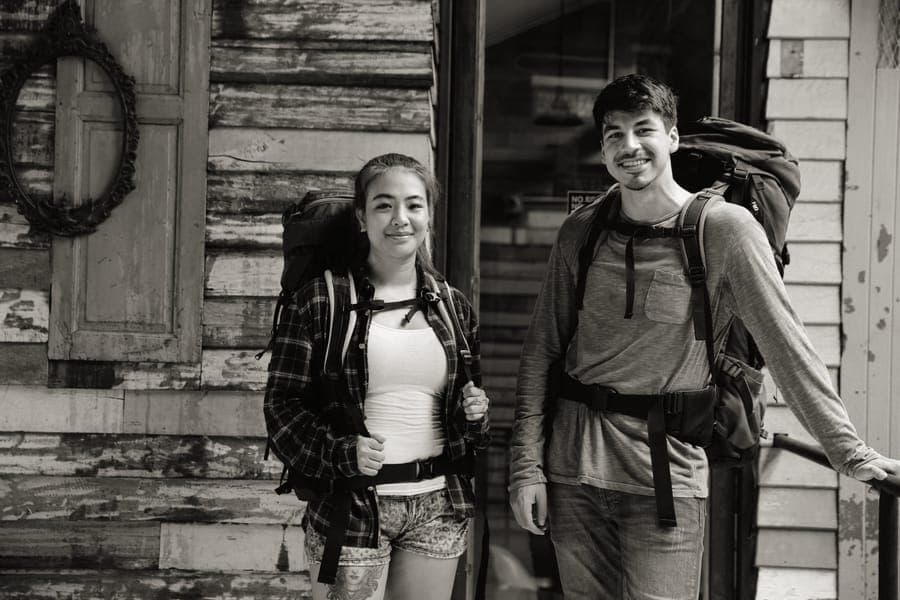 Osprey Fairview 40 Travel Pack The same 40-liter clamshell on a shorter back panel with narrower straps. | Shorter torsos | |
| 2 | 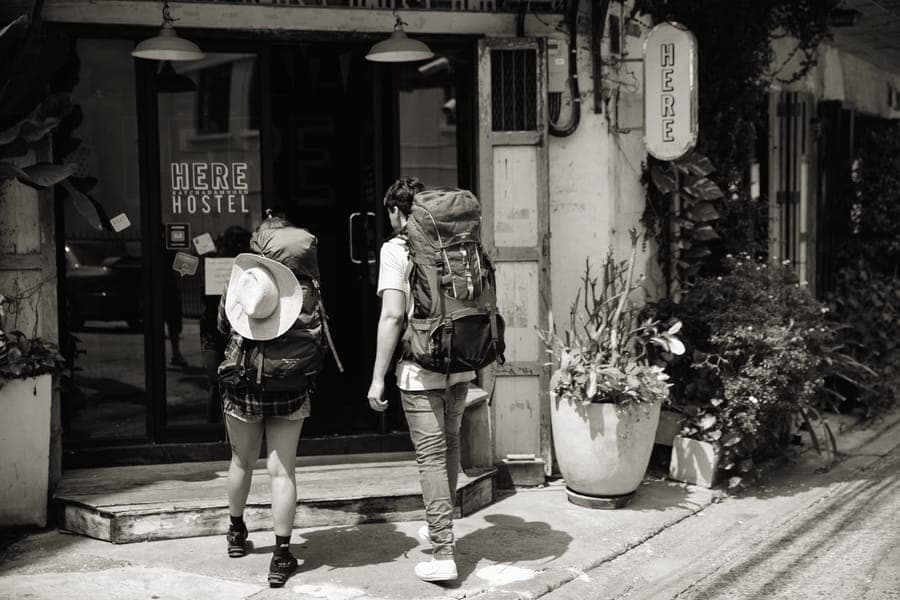 Osprey Farpoint 40 Travel Pack The original: 40 liters, light, and sized for a longer back. | Longer torsos | |
| 3 | 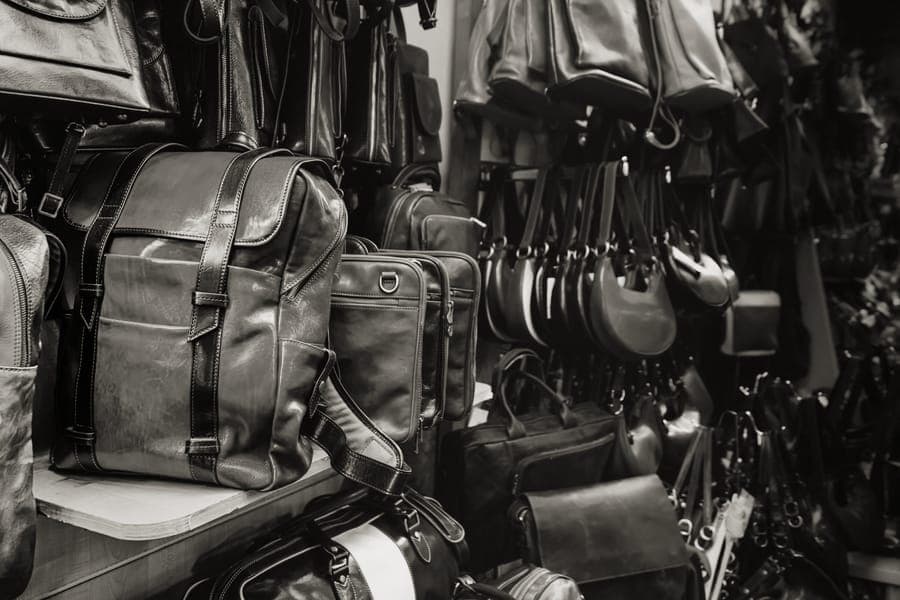 Osprey Daylite Plus Daypack The slim daypack that clears United's tight under-seat rule. | Day bag and personal item |
The one for a shorter torso and narrower shoulders
Osprey Fairview 40 Travel Pack
If a loaded pack has ever sat with the hip belt around your waist rather than on your hip bones, this is the geometry you were missing. The shorter panel puts the belt where it can actually take load, and the narrower, more curved straps stop the webbing sliding outward off your shoulders.
The specs that decide it
- Capacity: 40 liters, the same as the Farpoint
- Harness: Shorter back panel, narrower strap spacing
- Size: Carry-on envelope; the harness stows for check-in
- Opening: Clamshell, so it packs like a suitcase
Flaws but not dealbreakers
Airport-grade suspension rather than hiking suspension, and no dedicated laptop sleeve. Torso length is also individual rather than gendered, so the naming is more marketing than measurement - try both if you can.
The one for a longer torso
Osprey Farpoint 40 Travel Pack
Longer torsos, and anyone who found the Fairview's belt riding above their hip bones. The Farpoint is the same bag with more distance between the shoulder straps and the belt, which is the only adjustment that actually fixes a pack sitting too high.
The specs that decide it
- Capacity: 40 liters - a week or more with one laundry stop
- Weight: Light, which matters on a 7-10 kg cabin limit
- Harness: Stows away for check-in
Flaws but not dealbreakers
You carry it, which over a long flat terminal is genuinely tiring, and it is the wrong choice if you have back or shoulder problems - a wheeled bag puts that weight on the floor instead.
The second bag that clips to whichever one you choose
Osprey Daylite Plus Daypack
Both packs are designed to take a small daypack on the front, and the daypack is the bag you actually use once you arrive. The 10-inch depth is the figure that matters at a gate: it clears United's published 17 x 10 x 9 personal item allowance, which most backpacks do not.
The specs that decide it
- Clears: United's published 17 x 10 x 9, plus every other major carrier
- Shape: Slim profile - the 10-inch width is the dimension that matters here
- Compresses: Soft construction squashes into a sizer under a firm push
Flaws but not dealbreakers
Capacity is modest, and on carriers with a generous 18 x 14 x 8 allowance you are leaving free space on the table. It is a daypack, so there is no laptop-first organization and no clamshell access.
Farpoint vs Fairview, side by side
| Osprey Farpoint 40 | Osprey Fairview 40 | |
|---|---|---|
| Capacity | 40 liters | 40 liters |
| Marketed as | Men's fit | Women's fit |
| Back panel | Longer | Shorter |
| Shoulder straps | Wider spacing, straighter | Narrower spacing, more curved |
| Hip belt | Standard shaping | Shaped for narrower hips |
| Opening | Clamshell, packs like a suitcase | Clamshell, packs like a suitcase |
| Harness | Stows behind a zipped panel | Stows behind a zipped panel |
| Laptop sleeve | No dedicated sleeve | No dedicated sleeve |
| Carry-on | Fits the envelope when packed to size | Fits the envelope when packed to size |
Measure your torso before you choose
Torso length, not height, is what a pack's back panel has to match. Two people of the same height can need different sizes, because leg length varies more than people assume.
- Find the bony bump at the base of your neck, where your shoulders meet your spine. That is the top of the measurement.
- Put your hands on your hips with your thumbs pointing backwards. The line between your thumbs is the bottom of the measurement.
- Measure between the two points along your spine, standing upright. That number is your torso length.
- Compare it with Osprey's published torso range for the pack and size you are considering, and buy the one your measurement sits inside - not the one with the badge that matches you.
If your measurement sits in the overlap between the two, either will work and the strap spacing becomes the tiebreaker: narrower shoulders are generally happier on the Fairview, broader ones on the Farpoint.
Everything that is identical
It is worth being explicit, because comparison pages elsewhere imply differences that are not there. Capacity is the same 40 liters. The opening is the same clamshell, which is what makes either pack behave like a suitcase rather than a trekking sack. The harness stows behind a zipped panel on both, so either can be checked without straps dangling into a baggage system. Neither has a dedicated laptop sleeve.
Both also sit in the same place relative to airline rules: packed within the carry-on envelope they clear the 22 x 14 x 9 inch standard, and packed past it they do not, because a frameless pack grows as you fill it. See carry-on size by airline for the published limits and how many liters is a carry-on for why 40 liters is not automatically legal.
When neither one is the right bag
Both packs ask you to carry 25 to 30 lb on your shoulders. That is the right trade on trains, stairs and cobbles, and the wrong trade in a long flat terminal - and it is simply not the right trade at all if you have back or shoulder problems, however good the harness.
- You need a laptop compartment. Neither has one. The Tortuga Travel Backpack 40L has a dedicated laptop section, and the Peak Design 45L has side access to one.
- Most of your travel is airports and hotels. Buy wheels - best carry-on luggage is the shortlist.
- You fly carriers that weigh cabin bags. Both packs are light, but a loaded 40-liter pack goes over 7 kg very easily. Weigh it at home.
- You want one bag for a two-week trip with no laundry stop. Forty liters is not that trip. What size luggage do I need has the arithmetic.
The verdict
There is no better pack here, which is unusual for a head-to-head. There is a pack that fits you and a pack that does not, and the only way to be wrong is to buy on the label rather than the measurement. Measure first; if you can try both loaded in a store, do that instead.
If the measurement puts you squarely in one range, buy that one with confidence - the rest of the bag is identical, so nothing is being traded away.
Frequently asked questions
What is the difference between the Osprey Farpoint and Fairview?
Can a man use an Osprey Fairview?
Is the Farpoint or Fairview better for a woman?
Are the Farpoint and Fairview carry-on size?
Does either have a laptop compartment?
Read next
- Best travel backpacks
- Best travel backpacks for women
- Travel backpack vs suitcase
- Carry-on size by airline
- How many liters is a carry-on?
- Best personal item bags
More in Luggage, or see every roundup and comparison on the site.