The best carry-on duffel bags
A duffel has no shape to defend. At a strict gate that is an advantage no hardshell can match - and in a hotel room it is the whole drawback.
By Michael W. · Last updated October 5, 2026
We earn a commission when you buy through our links, at no extra cost to you. It never changes what we pick or how we rank it. How we’re funded.
For a cabin-sized duffel, the Patagonia Black Hole 40L is the one to buy - coated and frameless, so it takes the shape of the overhead bin, the gate sizer or the car trunk it is put into, and it handles weather that a fabric suitcase does not.
A duffel's single advantage over a wheeled carry-on is that it has no fixed shape. A hardshell either fits the sizer or it does not; a frameless duffel compresses under a firm push and keeps going. That makes duffels the pragmatic choice on low-cost carriers, on weekend trips, and on any trip where the bag has to go somewhere a rigid case will not - a boat, a bush plane, a train rack, the footwell of a small rental car.
The cost is real and worth stating plainly before you buy: a duffel with no internal structure is a sack. Everything settles to the bottom, finding one item means unpacking several, and there is nothing to set down and wheel when you are tired. These three picks are already assessed on this site and ranked here on how well they manage that trade.
Quick picks
The short list. Tap any row for the full write-up, including what each one is bad at.
| # | Product | Best for | Price |
|---|---|---|---|
| 1 | 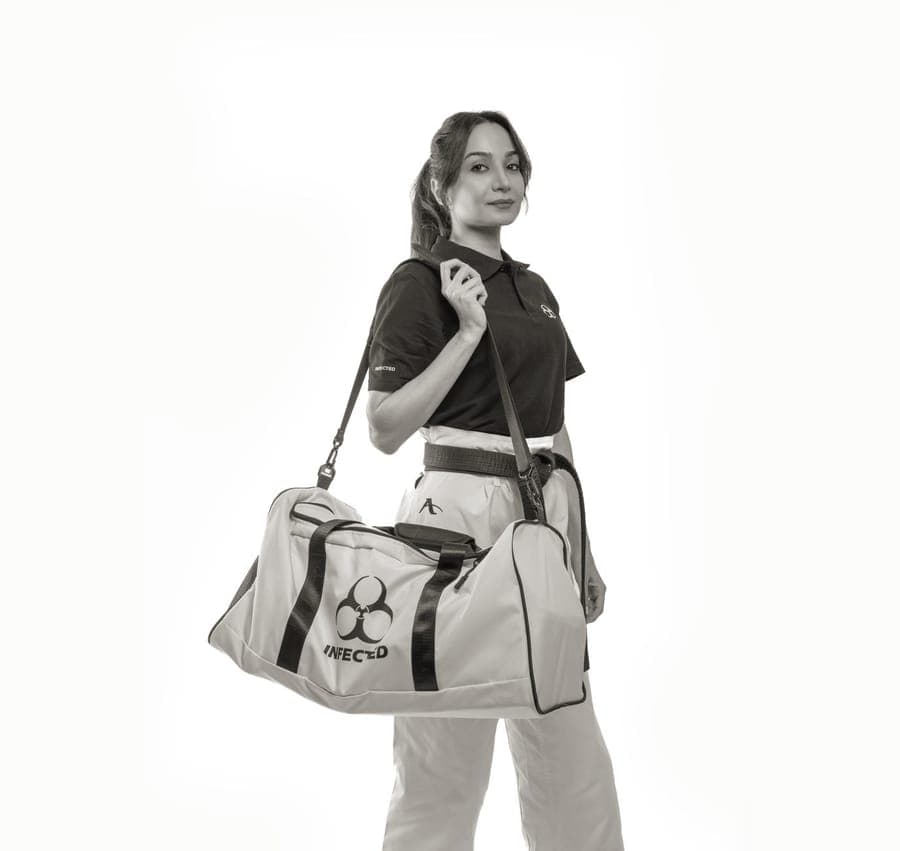 Patagonia Black Hole Duffel 40L Frameless and coated, with enough capacity for a week packed tightly. | Weekends and gear trips | |
| 2 | 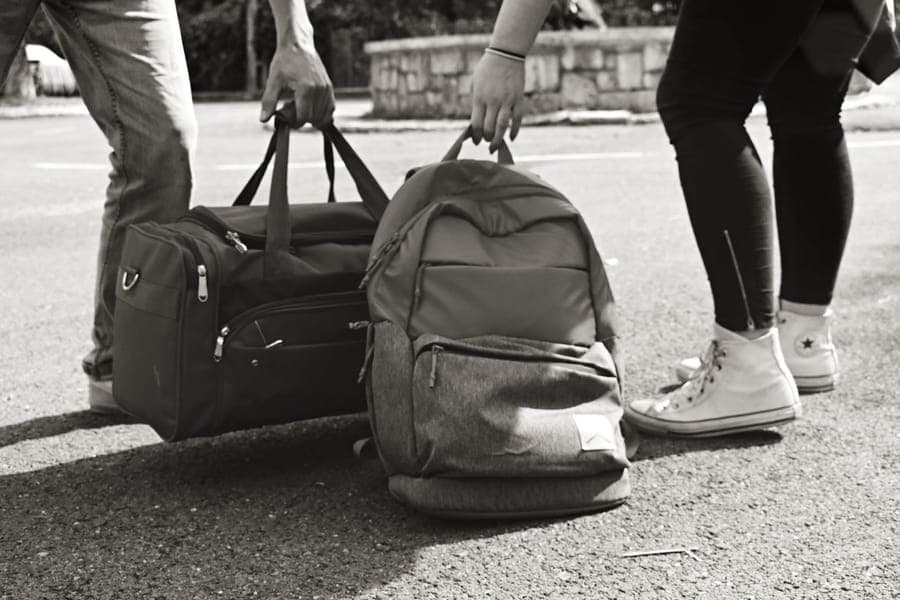 Patagonia Black Hole Duffel 25L The same coated fabric at a size that works as the free allowance. | Basic Economy and low-cost fares | |
| 3 | 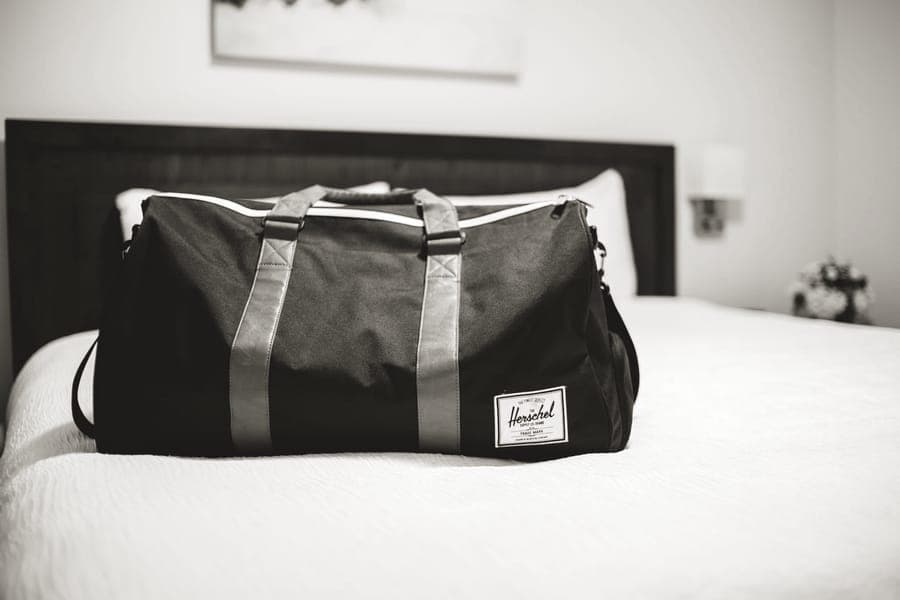 Narwey Foldable Travel Duffel Bag Folds to almost nothing outbound, solves the return trip inbound. | Overflow and shopping |
The one for a week where the bag gets carried, not wheeled
Patagonia Black Hole Duffel 40L
Trips where the bag's route includes something a suitcase hates: a boat, a trunk, a train luggage rack, three flights of stairs. Forty liters is a week if you pack properly, and the coated fabric means a wet walk to the terminal is not a problem for what is inside.
The specs that decide it
- Structure: Frameless - conforms to the space available
- Fabric: Coated and weather-resistant
- Carry: Handles plus removable shoulder straps
- Capacity: 40 liters - a weekend with room for what you bring home
Flaws but not dealbreakers
A duffel with no internal structure is a sack. Everything settles to the bottom, finding one item means unpacking several, and there is no laptop protection at all unless you add a sleeve. It is also uncomfortable to carry fully loaded.
The one that lives under the seat in front of you
Patagonia Black Hole Duffel 25L
Fares where the carry-on is a paid extra and the personal item is all you get free. A 25-liter frameless duffel squashes into whatever under-seat space the aircraft has, including the carriers that publish no personal item dimensions at all and simply require the bag to fit.
The specs that decide it
- Best for: Delta, Southwest and Alaska, which publish no personal item figure
- Structure: Frameless - compresses to the space available
- Weather: Coated fabric, so it handles a wet walk to the terminal
Flaws but not dealbreakers
A duffel with no internal structure is a sack. Everything migrates to the bottom, finding one item means unpacking several, and there is no laptop protection at all unless you add a sleeve.
The one you pack flat and bring home full
Narwey Foldable Travel Duffel Bag
Anyone whose bag is always fuller coming home. A packable duffel costs almost no volume on the way out and becomes the second cabin bag on the way back, which is a cheaper answer than paying for a checked bag you only need in one direction.
The specs that decide it
- Clears: Soft-sided - compresses into any carrier's under-seat space
- Storage: Folds flat when empty
- Cost: The cheapest solution to the personal item allowance
- Second use: The bag you bring for what you buy on the trip
Flaws but not dealbreakers
Thin fabric, no structure, no padding. It will not survive being used as an everyday bag, and a full one is uncomfortable because the webbing handles dig into your hand.
The three picks compared
| Pick | Capacity | At a gate sizer | Weather | Best for |
|---|---|---|---|---|
| Patagonia Black Hole 40L | 40 L | Compresses in | Coated, handles rain | A week, carried |
| Patagonia Black Hole 25L | 25 L | Fits under-seat space | Coated, handles rain | Personal item on strict fares |
| Narwey Foldable Duffel | Packable | Compresses to nothing | Thin fabric | The spare bag for the way home |
Why a duffel wins at a gate sizer
Airlines measure at the bag's widest points, including wheels and handles. A hardshell carry-on at 22 x 14 x 9 inches is exactly that, permanently - and half an inch over is the end of the conversation, because there is nothing to compress.
A frameless duffel has no fixed widest point. Packed to the same volume it goes into the sizer and, under a firm push, keeps going. That is not a rule you can rely on - a gate agent who decides your bag is oversized is right by definition - but it is a real practical difference, and it is why duffels are common among people who fly low-cost carriers regularly. Carry-on size by airline has the published limits, and cabin baggage size covers how bags get measured.
Weight limits do not care about shape
Flexibility helps with dimensions and does nothing for weight. On a carrier that weighs cabin bags at 7 to 10 kg, a duffel you have overpacked is still overweight - and duffels are easy to overpack precisely because they stretch.
What you give up, stated plainly
- Organization. Nothing stays where you put it. The fix is packing cubes, which effectively give the duffel the drawers it does not have.
- Wheels. You carry the whole weight. For a 40-liter load that is fine for most people over short distances and tiring over long terminals.
- Protection. No shell, no padding. A laptop needs a sleeve and anything fragile needs real thought.
- Standing up. A duffel slumps. In a small hotel room or a train compartment that is more annoying than it sounds.
If more than one of those matters to you, a wheeled carry-on is the better bag and best carry-on luggage is the shortlist. Luggage vs duffel bag sets the two formats against each other properly.
How to pack a duffel so it behaves
- Cube it. Two or three cubes turn a sack into compartments and stop you unpacking the whole bag to find socks.
- Heavy at the bottom, against the long side. That keeps the bag's centre of gravity low when you set it down and stops it rolling over.
- Shoes in a [shoe bag](/packing/best-shoe-bags-for-travel), at one end. Not loose, and not against clothes.
- Soft items last, across the top. They are your compression layer at the sizer, and the thing you want nearest the zip when you need a jacket.
- Nothing fragile at the ends. The ends are what a duffel gets set down on, every time.
If the bag ends up carried for longer than you expected, use the shoulder strap diagonally across your body rather than on one shoulder - it is the difference between an awkward ten minutes and an unpleasant hour.
How we chose these picks
Behaviour at a sizer first, because that is the whole reason to choose a duffel. Fabric second - coated beats uncoated for anything that goes outdoors. Capacity third, matched to a real use: a week carried, a personal item on a strict fare, and a spare bag for the way home.
Capacities are the makers' stated figures. All three picks are already assessed on this site, and we do not print prices - every buy link opens the current Amazon listing.
What we passed over
- Wheeled duffels at carry-on size. You pay weight and interior volume for wheels, and lose the compressibility that made the duffel worth choosing. Best rolling duffel bags covers them where they do make sense, at checked sizes.
- Gym duffels with no coating. Fine until it rains on the walk to the terminal.
- Leather weekenders. Heavy, expensive, and a poor bet against a weighed cabin allowance.
- Duffels above 45 liters sold as carry-ons. Packed full they are oversized, and the listing knows it.
Frequently asked questions
Can a duffel bag be a carry-on?
What size duffel is carry-on size?
Is a duffel better than a carry-on suitcase?
How do you keep a duffel organized?
Are duffel bags allowed in overhead bins?
Read next
- Best rolling duffel bags
- Luggage vs duffel bag
- Best carry-on luggage
- Best personal item bags
- Carry-on size by airline
- Best packing cubes
More in Luggage, or see every roundup and comparison on the site.