Best luggage for frequent travelers
Flying every week is a durability problem, not a style problem. Handles and wheel housings are what fail, and they are what to buy on.
By Michael W. · Last updated October 6, 2026

We earn a commission when you buy through our links, at no extra cost to you. It never changes what we pick or how we rank it. How we’re funded.
The best luggage for frequent travelers is the Travelpro Platinum Elite 21-inch carry-on spinner, because the two parts that fail on a bag flown weekly - the telescoping handle and the wheel housings - are the two parts this line spends money on. It is heavier than a weight-first case and that is the correct trade when the bag is in an overhead bin fifty times a year.
Frequent flying changes which specifications matter. Capacity stops being interesting because you have learned what you pack. Looks stop being interesting because the bag gets scuffed in a month. What is left is the question of whether this bag will still roll straight in two years, and whether somebody will fix it if it does not.
So the list below is judged on handle construction, wheel mounting, fabric or shell abrasion resistance, and the repair path. Warranty terms differ by line even within one brand, which is why best luggage brands is worth reading alongside this.
Quick picks
The short list. Tap any row for the full write-up, including what each one is bad at.
| # | Product | Best for | Price |
|---|---|---|---|
| 1 | 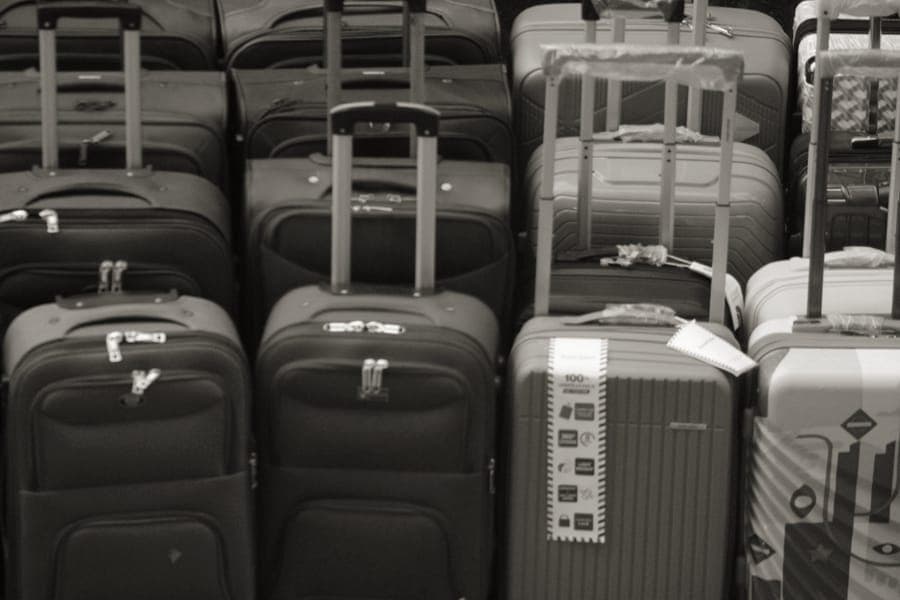 Travelpro Platinum Elite 21-inch Expandable Carry-On Spinner Heavier fabric and a better handle, which is where cheap bags fail first. | Weekly flyers | |
| 2 | 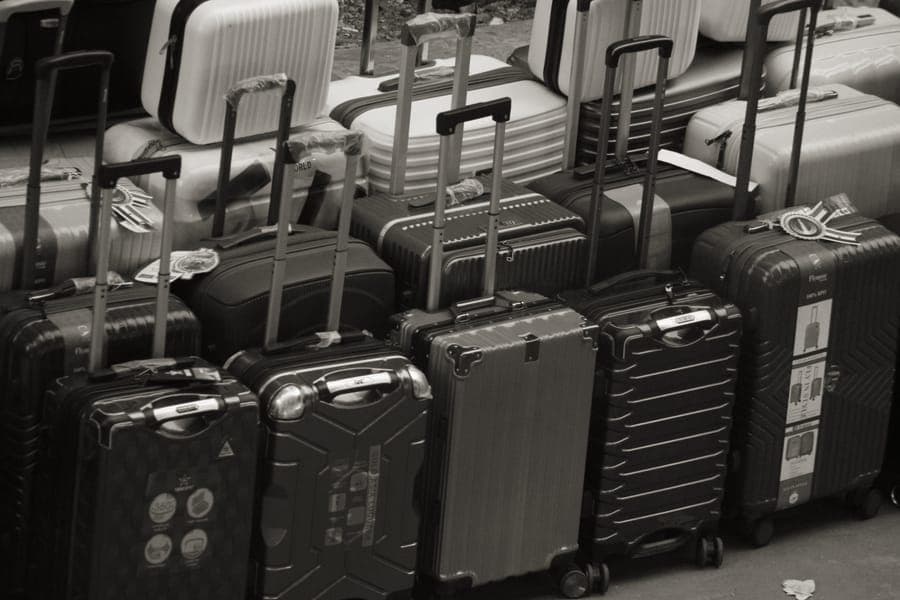 Samsonite Winfield 3 DLX Hardside Checked Spinner A polycarbonate shell that flexes and recovers instead of cracking. | Regular checkers | |
| 3 |  Osprey Farpoint 40 Travel Pack No handle tube, no wheel housings, no frame - so none of them can fail. | No-wheels flyers | |
| 4 | 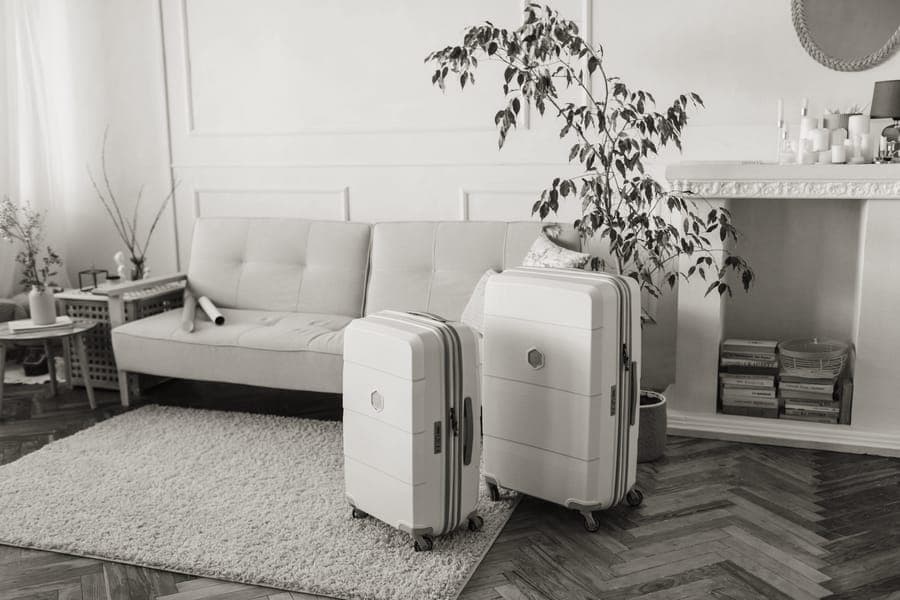 Away The Carry-On Polycarbonate with an interior compression system, in a cabin footprint. | Hardshell preference |
The one to buy if the bag is in an overhead bin every week
Travelpro Platinum Elite 21-inch Expandable Carry-On Spinner
Anyone flying two or three times a month. This is the consumer sibling of Travelpro's flight-crew line, and crews are the hardest possible duty cycle for a wheeled bag. If you are replacing a case that broke rather than one that wore out, start here.
The specs that decide it
- Handle: Contour grip with multiple stops - the part that breaks on cheap bags
- Shell: Softside with heavier-denier fabric than lightweight lines
- Wheels: Spinner with magnetic alignment
- Interior: Suiter, compression straps and full pocketing
Flaws but not dealbreakers
It is heavy for a carry-on, and on an international 7 kg cabin limit that empty weight is allowance you cannot spend on clothes. The expansion zip takes it outside the carry-on envelope the moment you use it.
The one for the hold, when you check on most trips
Samsonite Winfield 3 DLX Hardside Checked Spinner
Frequent travelers who check a bag more often than not. A hardshell that flexes under load and springs back is the right structure for a baggage system, and Samsonite's warranty terms on this line are among the better ones in the mainstream market.
The specs that decide it
- Shell: Polycarbonate - flexes under load and recovers
- Wheels: Spinner, recessed housings
- Security: Integrated TSA-accepted combination lock
- Interior: Divider, cross straps and a zipped panel
Flaws but not dealbreakers
Hardshells scuff and the marks are permanent and obvious, which on a bag flown weekly means it looks tired long before it is worn out. A rigid shell also has no give at a sizer, so an overpacked hardside simply does not fit.
The one with nothing on it that can break
Osprey Farpoint 40 Travel Pack
Frequent flyers who have decided the most reliable bag is the one with no mechanism in it. Everything that fails on a wheeled case is absent here, and the harness stows behind a panel so it can still be checked without snagging.
The specs that decide it
- Capacity: 40 liters - a week or more with one laundry stop
- Mechanism: None - no wheels, no handle tube, no frame
- Harness: Stows away behind a zipped panel for check-in
- Weight: Light, which matters on a 7-10 kg cabin limit
Flaws but not dealbreakers
You carry the weight, which over a long flat terminal is genuinely tiring, and it is the wrong choice if you have back or shoulder problems - a wheeled bag puts that load on the floor instead. No dedicated laptop sleeve either.
The one if you want a hard shell in the cabin
Away The Carry-On
Travelers who want a hard shell above the seat - for weather, for crush protection, or simply because a wipe-clean surface suits a bag that is used constantly. The interior compression panel is the detail that makes a rigid case pack properly.
The specs that decide it
- Shell: Polycarbonate - flexes and recovers rather than cracking
- Interior: Compression panel, which is what makes a hardside pack well
- Wheels: Spinner
- Footprint: Cabin size unexpanded - measure over wheels and handle
Flaws but not dealbreakers
You are paying a premium over cases using the same shell material, and hardsides have no give at a strict gate. The scuffing issue applies here too, and it shows more on a light shell.
The shortlist at a glance
| Bag | Type | Strength | Weak point |
|---|---|---|---|
| Travelpro Platinum Elite 21 | Softside carry-on spinner | Handle and fabric built for weekly use | Heavy on a weighed cabin allowance |
| Samsonite Winfield 3 DLX | Hardside checked spinner | Shell recovers its shape; long warranty terms | Scuffs visibly; no give at a strict gate |
| Osprey Farpoint 40 | Travel backpack | Nothing to break - no wheels, no handle | You carry the weight yourself |
| Away The Carry-On | Hardside carry-on spinner | Polycarbonate shell, interior compression | Premium price for the same shell material |
What fails on a bag flown weekly
Luggage does not usually wear out evenly. It fails at four specific points, in a fairly predictable order, and knowing them turns a confusing spec sheet into a short checklist.
- The telescoping handle. It absorbs every sideways yank and every curb. This is the first thing to go on a cheap bag and the clearest difference between price tiers.
- Wheel housings. Spinner wheels sit on a stalk. Dragging a four-wheeler on two wheels over rough ground loads that stalk sideways, which is not what it was designed for.
- Zipper sliders, almost always on an expansion zip that has been forced closed one time too many.
- Corner abrasion, where a bag meets a baggage belt. Heavier-denier fabric and recessed hardshell corners both buy real time here.
None of that is visible in a product photograph, which is why durability shopping is mostly reading warranty terms and reading the fabric or shell specification. Polycarbonate vs ABS luggage covers the shell side of it.
Durability costs weight - decide which you need
Every durability feature on this list adds mass. Heavier fabric, a stiffer handle, a thicker shell: all weight. On US domestic routes that costs nothing because nobody weighs a cabin bag. On international carriers with a 7 to 10 kg limit it comes straight off what you can pack.
If most of your flying is international, run the numbers before buying for durability - best lightweight luggage is the other side of the argument, and Travelpro Platinum Elite vs Maxlite 5 is the same decision inside one brand.
The empty weight is on the spec sheet
Manufacturers publish it. It is the single most useful durability-versus-capacity number you can read before buying, and how much does an empty suitcase weigh explains what a normal figure looks like.
The frequent flyer's actual setup
Most people who fly weekly end up with two bags rather than one: a cabin case that never gets checked, and a personal item that holds the laptop, the documents and everything needed in the seat. That split matters more than which single bag you buy.
- Cabin case, packed the same way every time so you stop thinking about it. Durability line, not weight line, if you fly domestic.
- Personal item that fits under the seat and holds the laptop - see best personal item bags.
- A tracker in whichever bag ever gets checked. AirTag vs Tile for luggage covers which one.
- A packed-and-ready toiletry kit that lives in the bag permanently, so nothing is forgotten on a 5am departure.
If the work travel is suits and client meetings rather than volume, best carry-on luggage for business travel is the narrower list, and how to pack a suit in a carry-on is the technique.
Read the warranty before you read the reviews
On a bag that will be used hundreds of times, the question is not whether something breaks but what happens next. Terms vary a great deal: some cover the bag, some cover only manufacturing defects, some exclude airline damage specifically - which is the damage you are most likely to have.
Airline damage is also claimable from the airline, separately, and it is worth knowing how before you need to. What to do if the airline loses your luggage covers the process for damage as well as loss.
Frequently asked questions
What is the best luggage for frequent travelers?
What is the most durable type of luggage?
Is hardside or softside better for frequent flying?
How long should good luggage last?
Does a heavier bag mean a more durable bag?
Should a frequent flyer use a carry-on or check a bag?
Read next
- Travelpro Platinum Elite vs Maxlite 5
- Best luggage brands
- Best carry-on luggage for business travel
- Hardside vs softside luggage
- Carry-on size by airline
- Best personal item bags
More in Luggage, or see every roundup and comparison on the site.