Polycarbonate vs ABS luggage
Two plastics that look identical in a photograph and behave completely differently when a baggage belt drops your bag four feet.
By Michael W. · Last updated October 6, 2026
We earn a commission when you buy through our links, at no extra cost to you. It never changes what we pick or how we rank it. How we’re funded.
Buy polycarbonate. It flexes under impact and returns to shape, where ABS is more brittle and cracks at the corners - and a cracked corner is the end of a hardside case. ABS exists because it is cheap to mould, which is why it dominates the budget end of the market, and it is a perfectly reasonable shell for a cabin bag that never goes in a hold.
The reason the distinction matters is what happens in a baggage system. A checked bag is dropped, stacked, and has other bags loaded on top of it. A material that deforms and recovers survives that; a material that resists until it fails does not. That is the entire argument, and it is why almost every manufacturer's better hardside line is polycarbonate and almost every entry line is ABS or an ABS blend.
Two other materials turn up in the same search. Polypropylene is light and tough but less rigid, so it bulges. Aluminum is extremely durable and extremely heavy, dents permanently instead of recovering, and costs several times as much. Both are covered below.
Hardside shell materials compared
| Material | On impact | Weight | Typical price tier | Best for |
|---|---|---|---|---|
| Polycarbonate | Flexes and springs back | Light to medium | Mid to premium | Checked bags, frequent flying |
| ABS | Resists, then cracks | Light | Budget | Cabin bags, occasional use |
| ABS / polycarbonate blend | Between the two | Light | Budget to mid | Cabin bags, light checking |
| Polypropylene | Flexes; bulges under load | Very light | Budget to mid | Light checked bags |
| Aluminum | Dents permanently | Heavy | Premium | Looks and security, not weight |
The difference is how they fail, not how strong they are
ABS is not weak. It is stiff and it holds a shape well, which is why it is used for everything from appliance housings to toy bricks. What it does not do well is absorb a sudden load. Beyond its limit it cracks, and once a hardside shell has a crack in it the bag is finished - there is no repair that restores a moulded shell.
Polycarbonate is tougher in the specific sense that matters here: it deforms a long way before it breaks, and it comes back. Drop a polycarbonate case on a corner and you usually get a scuff and a temporary dent. Drop an ABS case on the same corner from the same height and you may get a split.
Thickness matters as much as material
A thick ABS shell can outlast a thin polycarbonate one. Material tells you the behaviour; thickness and the quality of the moulding tell you the margin. That is why two polycarbonate bags at very different prices are not the same bag.
What a blend actually means
A great many bags are listed as ABS+PC, which is a blend or a laminate of the two. The intent is honest: ABS for cost and rigidity, polycarbonate for impact tolerance. The result sits between the two and the listing almost never says in what proportion.
Treat a blend as a budget material with better corner behaviour than pure ABS, not as polycarbonate at a lower price. For a cabin bag that is plenty. For a bag that gets checked twenty times a year, the pure material is the one to buy.
Polypropylene and aluminum
Polypropylene is the lightest of the common hardside plastics and genuinely tough, but it is less rigid than polycarbonate, so a packed case bulges. That costs you predictability at a sizer, which is a real disadvantage on a cabin bag and almost irrelevant on a checked one.
Aluminum is the opposite trade. It is extremely durable, it looks like nothing else, and it is heavy enough to matter against a weight limit - see how much does an empty suitcase weigh. It also dents permanently rather than recovering, so an aluminum case accumulates a visible history. Some owners consider that the point.
- Checked, flown often: polycarbonate.
- Cabin only, occasional: ABS or a blend is fine, and the money is better spent on wheels.
- Weight is the binding constraint: polypropylene, or stop buying hardside and read hardside vs softside luggage.
- You want it to look like that and do not care about weight: aluminum.
The shell is not usually what breaks
Worth saying plainly: most hardside bags are retired because of a wheel or a handle, not because of the shell. The material question is real, but it is second to whether the wheel housings are recessed and whether the telescoping handle has any slop in it when new.
So compare shells, then compare hardware, and weight the hardware more heavily. Best luggage for frequent travelers works through the failure points in order, and best hardside luggage is the shortlist.
Quick picks
The short list. Tap any row for the full write-up, including what each one is bad at.
| # | Product | Best for | Price |
|---|---|---|---|
| 1 | 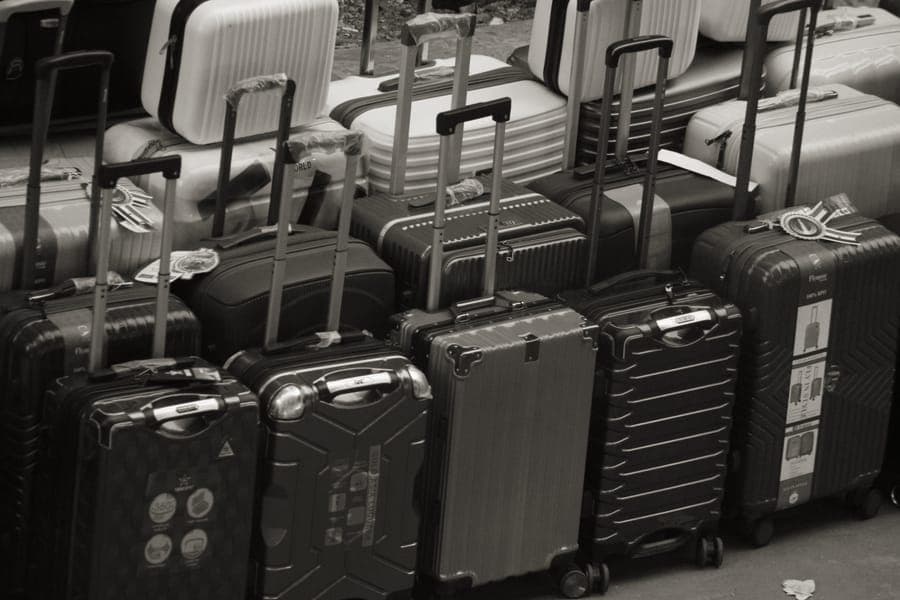 Samsonite Winfield 3 DLX Hardside Checked Spinner A polycarbonate shell that flexes and recovers rather than cracking. | Checked bags | |
| 2 | 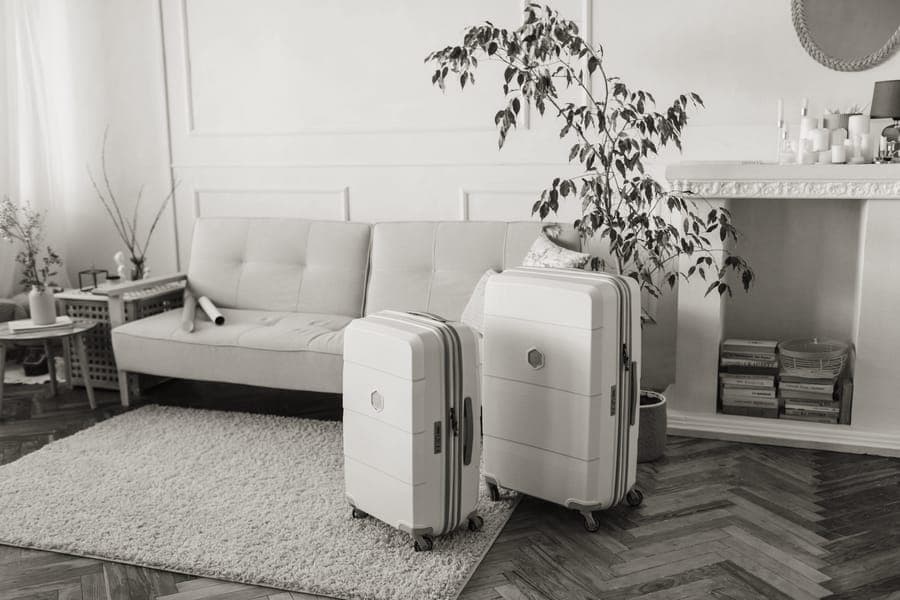 Away The Carry-On Polycarbonate with an interior compression panel, in a cabin footprint. | Cabin hardside | |
| 3 |  Amazon Basics 20-inch Hardside Spinner Budget hardside in a size that clears a strict gate, for a bag that stays with you. | Cabin, occasional use |
The one for the hold, in the material built for it
Samsonite Winfield 3 DLX Hardside Checked Spinner
Anyone checking a hardside bag regularly. Polycarbonate is the right material for a baggage system because it absorbs an impact by deforming, and the warranty terms on this line are among the better ones in the mainstream market.
The specs that decide it
- Shell: Polycarbonate - flexes under load and recovers
- Security: Integrated TSA-accepted combination lock
- Wheels: Spinner, recessed housings
- Interior: Divider, cross straps and a zipped panel
Flaws but not dealbreakers
Hardshells scuff and the marks are permanent, so a bag flown often looks tired long before it is worn out. A rigid shell also has no give at a sizer, so an overpacked hardside simply does not fit.
The one if you want the better shell above the seat
Away The Carry-On
Travelers who want a wipe-clean shell in the cabin and are prepared to pay for the better plastic. The interior compression panel is the detail that makes a rigid case pack properly rather than fighting you.
The specs that decide it
- Shell: Polycarbonate - flexes and recovers rather than cracking
- Interior: Compression panel, which is what makes a hardside pack well
- Wheels: Spinner
- Footprint: Cabin size unexpanded - measure over wheels and handle
Flaws but not dealbreakers
You are paying a premium over cases using the same shell material, and a cabin bag is the use case where the material matters least because it never meets a baggage belt. Light shells also show scuffs most.
The one that proves a cheap shell is sometimes correct
Amazon Basics 20-inch Hardside Spinner
Occasional flyers who want a cabin bag and will never check it. In the cabin the shell takes no impacts at all, so paying for polycarbonate buys you very little - and at 20 inches this clears a strict sizer, which is worth more than the material.
The specs that decide it
- Label: 20 inch - a size below the limit, so it clears a sizer
- Shell: Budget hardside - fine where it is never checked
- Wheels: Spinner
- Use case: Cabin only; this is not the bag to put in a hold
Flaws but not dealbreakers
Budget construction means the wheels and handle are the first parts to complain, and a brittle shell in a hold is exactly where a cracked corner happens. Rigid shells also have no give, so overpacking is not an option.
Frequently asked questions
Is polycarbonate or ABS better for luggage?
What is the most durable luggage material?
What does ABS+PC mean on a suitcase?
Is polypropylene luggage any good?
Does aluminum luggage dent easily?
Does the shell material matter for a carry-on?
Read next
- Best hardside luggage
- Hardside vs softside luggage
- Best luggage brands
- Best luggage for frequent travelers
- How much does an empty suitcase weigh?
- Best checked luggage
More in Luggage, or see every roundup and comparison on the site.