The best hardside luggage
Hardshell cases protect what is inside and give up flexibility to do it. Here is which shell material actually matters, and which picks are worth the weight.
By Michael W. · Last updated September 27, 2026
We earn a commission when you buy through our links, at no extra cost to you. It never changes what we pick or how we rank it. How we’re funded.
Hardside luggage sells on a promise - protection - and the promise is real but narrower than the marketing suggests. A hard shell genuinely protects fragile contents from the crush of a full overhead bin and from the impacts of a baggage handling system. What it does not do is make the bag more durable overall, because shells are not what fails. Wheels and handles are.
The other honest point is that hardside costs you flexibility. There is no squashing a rigid case into a sizer, no external pockets to grab a laptop from, and a clamshell needs floor space to open. If you fly carry-on only on full-service airlines, softside is arguably the better default. Hardside earns its place when things go in the hold, or when what is inside genuinely needs protecting.
Quick picks
The short list. Tap any row for the full write-up, including what each one is bad at.
| # | Product | Best for | Price |
|---|---|---|---|
| 1 |  Samsonite Freeform Hardside Spinner Light for a hardshell, and the shell flexes rather than cracking under impact. | Most people, most trips | |
| 2 | 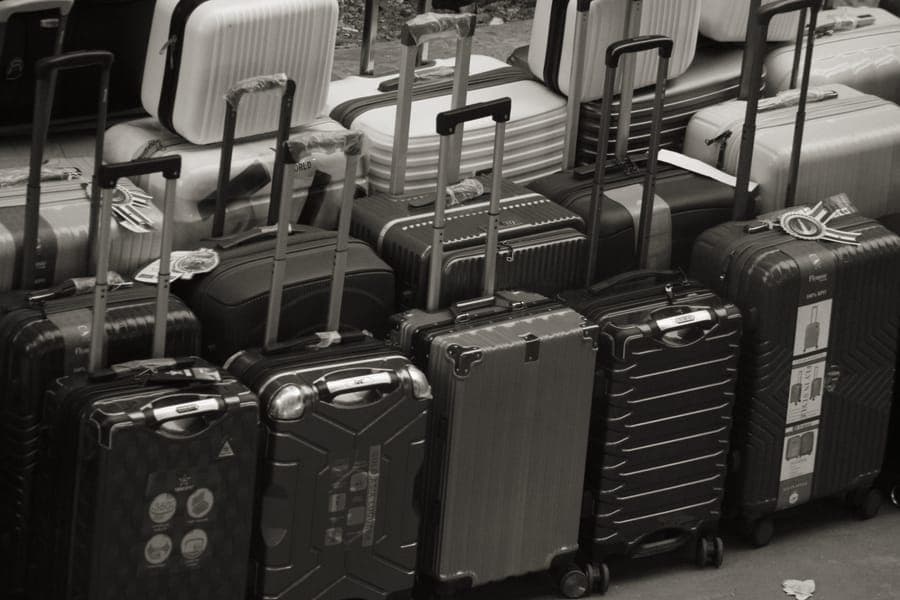 Samsonite Winfield 3 DLX Hardside Checked Spinner Rigid polycarbonate that takes a baggage system without transmitting it inside. | Infrequent checked travel | |
| 3 |  Amazon Basics 20-inch Hardside Spinner An ABS shell does the protective job; the savings are in the wheels. | Occasional flyers | |
| 4 | 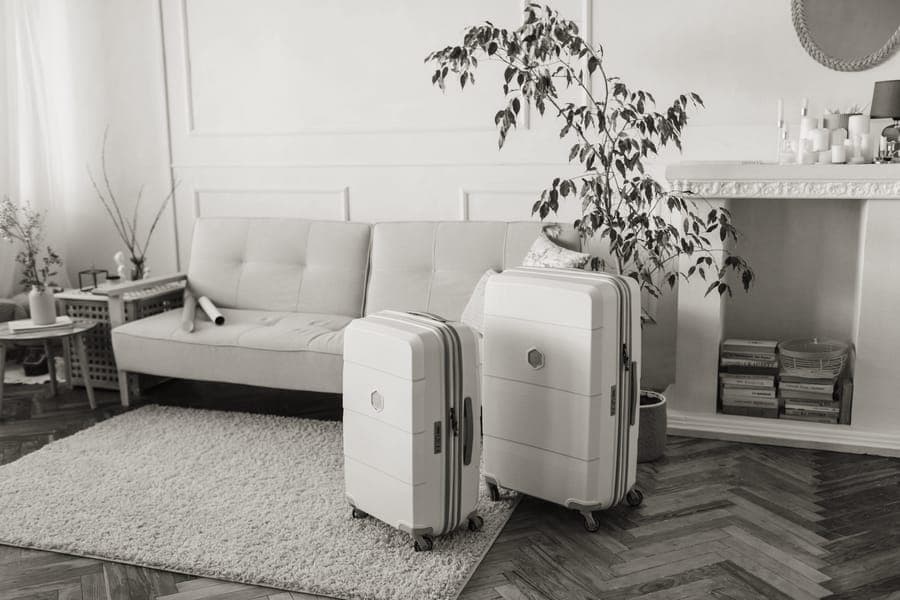 Away The Carry-On Polycarbonate shell with a genuinely useful compression panel inside. | Repacking every two days | |
| 5 | 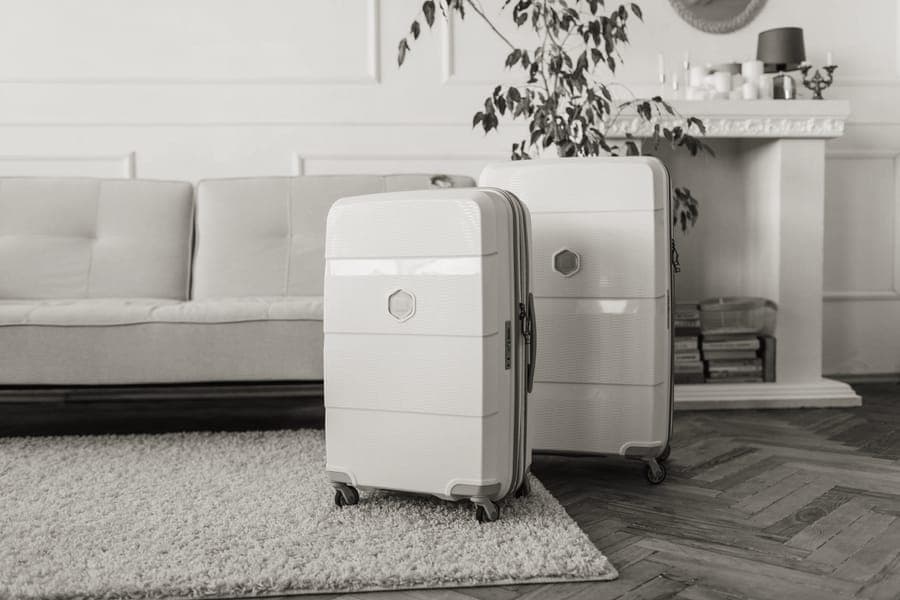 Coolife 3-Piece Hardside Luggage Set Three matched shells for less than a single mid-range case. | Two or more people traveling together |
The one that balances shell strength against weight
Samsonite Freeform Hardside Spinner
The core problem with hardside luggage is weight - a protective shell is material, and material weighs something. This is the sensible middle: enough shell to protect what is inside, light enough that it does not eat an international cabin allowance. If you want one hardside bag and do not have a specialized need, this is the one.
The specs that decide it
- Shell: Polypropylene-type - flexes under impact rather than cracking
- Weight: Light for the hardside category, which matters on weighed routes
- Interior: Split-case clamshell, packs flat and evenly on both sides
Flaws but not dealbreakers
Flexible shells scratch more readily than rigid polycarbonate, so it will look worn sooner even though it is structurally fine. The split-case design also needs real floor space to open, which is awkward in a small hotel room.
The one to check twice a year and not think about
Samsonite Winfield 3 DLX Hardside Checked Spinner
A checked bag lives a harder life than a carry-on and a completely different one: it is thrown, stacked, dropped and left on wet tarmac. Rigidity and a proper water-resistant shell matter here in a way they never do in a cabin. If you check a bag a couple of times a year, this is the right amount of suitcase.
The specs that decide it
- Shell: Polycarbonate - rigid, water-resistant, takes impact without transmitting it
- Size: Checked sizes - confirm against your airline's 62 linear inch limit
- Security: Integrated TSA-accepted lock
Flaws but not dealbreakers
Rigid polycarbonate cracks rather than flexing if it takes a hard enough corner impact, and a cracked shell is not repairable. It is also heavy enough that on an airline with a 50 lb checked limit, the empty bag is already a noticeable share of it.
The one that proves you do not need to spend much for a shell
Amazon Basics 20-inch Hardside Spinner
Shell protection is one of the cheapest things to build into a suitcase, which is why budget hardside works better than budget softside. If your reason for wanting hardside is 'I do not want my things crushed', a cheap hardshell delivers most of that. What you are not getting is the running gear.
The specs that decide it
- Shell: ABS-type - lighter and cheaper than polycarbonate, less impact-resistant
- Size: 20-inch, inside every published US carry-on limit
- Where it saves: Wheels, zips, and corner thickness
Flaws but not dealbreakers
ABS is more brittle than polycarbonate and cracks at the corners rather than flexing. Combined with budget wheel housings, expect this to be a three-to-five-year bag if you fly regularly rather than a decade one.
The one if you want the interior to be as good as the shell
Away The Carry-On
Most hardside cases treat the interior as an afterthought: two mesh flaps and a strap. On a multi-city trip where you repack constantly, a proper compression panel and a sensible split make more practical difference than another grade of shell plastic. This is the pick if the inside of the bag matters to you as much as the outside.
The specs that decide it
- Shell: Polycarbonate - the rigid, impact-resistant end of the scale
- Interior: Compression panel and split-case layout
- Size: Carry-on spec against the 22 x 14 x 9 standard
Flaws but not dealbreakers
You are paying a substantial premium over mechanically comparable cases, and the four-wheel spinner configuration is the wrong one for the cobbled European streets these bags are often bought for. Polycarbonate also shows scuffs badly in light colors.
The one for equipping a household from nothing
Coolife 3-Piece Hardside Luggage Set
Sets are usually poor value because most households use one piece and store two. The exception is a household starting with no luggage at all where more than one person travels at a time. Under those specific conditions, the per-bag cost here is very hard to beat.
The specs that decide it
- Contents: Typically a carry-on plus two checked sizes, nesting for storage
- Shell: ABS-type across all three pieces
- Check first: Confirm the carry-on piece's overall size including wheels
Flaws but not dealbreakers
The carry-on piece is usually the weakest of the three and it is the one you will use most. Nesting also means the two smaller cases cannot store anything while nested, which is exactly when you would want to.
How they compare
| Pick | Shell | Behavior under impact | Weight | Best for |
|---|---|---|---|---|
| Samsonite Freeform | Polypropylene-type | Flexes, scratches | Light | General use |
| Samsonite Winfield 3 DLX | Polycarbonate | Rigid, can crack on hard corners | Heavier | Checked bags |
| Amazon Basics 20-inch | ABS-type | Brittle, cracks at corners | Light | Occasional flyers |
| Away The Carry-On | Polycarbonate | Rigid, shows scuffs | Medium | Multi-city trips |
| Coolife 3-piece set | ABS-type | Brittle | Light | Equipping a household |
Shell materials, without the marketing
Three materials cover almost everything on the market, and the differences between them are real but smaller than the product pages suggest.
| Material | Strength | Weight | Failure mode | Typical tier |
|---|---|---|---|---|
| ABS | Lowest | Lightest | Cracks at corners | Budget |
| Polycarbonate | Highest | Medium to heavy | Cracks under hard corner impact | Mid to premium |
| Polypropylene | High | Light | Flexes and scratches rather than cracking | Mid to premium |
The useful summary: polypropylene flexes, polycarbonate resists, ABS is cheap. For a checked bag that takes genuine impacts, polycarbonate's rigidity is the right answer. For a cabin bag where weight matters more than impact resistance, polypropylene usually is. ABS is fine if you fly rarely and are not paying much.
Aluminum is the fourth option and it is a different conversation: genuinely durable, genuinely heavy, and it dents permanently rather than flexing back. It is a style choice as much as a practical one, and on a weight-limited cabin allowance it is an expensive way to carry less.
How we chose these picks
Weighted in this order: empty weight, because a hardshell's protection is paid for in weight and that weight comes out of your allowance; wheel and handle quality as reported in published testing, since those are the parts that end a bag regardless of shell; shell behavior under impact rather than a quoted material grade; and interior design, which is where hardside cases most often disappoint.
We have not dropped these cases ourselves and we do not run a testing lab. Where a durability finding comes from published hands-on testing by a named reviewer we say so. See our methodology.
What we passed over
- Aluminum cases. Durable and handsome, but heavy enough to consume a meaningful share of any weight-limited allowance, and dents are permanent.
- Hardside cases with external zip pockets. They compromise the shell's water resistance and the seam is a weak point - if you want pockets, buy softside.
- Glossy finishes. They scuff visibly within a few trips. Matte and textured finishes hide wear far better for no extra cost.
- Smart cases with non-removable batteries. Several airlines ban them outright.
How to choose hardside luggage
- Decide whether you actually need the protection. If you fly carry-on only on full-service airlines and carry nothing fragile, softside's flexibility is probably worth more. Hardside vs softside sets out the comparison properly.
- Weigh the empty case. This is where hardside costs you, and on international carriers that weigh cabin bags it costs you every single trip.
- Pick the shell for the job. Polycarbonate for checked, polypropylene for cabin, ABS only if you fly rarely.
- Check the interior. Two mesh flaps and a strap is the default and it is not good enough on a multi-city trip. A compression panel is worth real money.
- Choose a textured finish. It is the cheapest way to make the bag still look acceptable in three years.
Before you buy: check it against your airline
Hardside cases have no give, which makes the size check less forgiving than it is with fabric. A softside bag half an inch over will usually go into a sizer under a firm push; a polycarbonate one simply will not.
So check the overall dimension including wheels against the published limit for your airline before you buy, not after. And if you are checking the bag rather than carrying it, best checked luggage covers the 62-linear-inch rule and the weight limits that actually bite.
Frequently asked questions
Is hardside luggage better than softside?
What is the best hardside luggage material?
Does hardside luggage crack?
Is hardside luggage heavier?
Does hardside luggage scratch easily?
Read next
- Hardside vs softside luggage
- Best softside luggage
- Best checked luggage
- Carry-on size by airline
- Best carry-on luggage
More in Luggage, or see every roundup and comparison on the site.