The best carry-on luggage for business travel
Chosen for the trip where the bag cannot fail: a same-day flight, a suit that has to be worn on landing, and a laptop that comes out at security.
By Michael W. · Last updated October 3, 2026

We earn a commission when you buy through our links, at no extra cost to you. It never changes what we pick or how we rank it. How we’re funded.
For most business travelers the right carry-on is the Travelpro Platinum Elite 21-inch spinner - built to the 22 x 14 x 9 standard that American, Delta, United, JetBlue and Alaska all measure against, with its reputation resting on the wheel housings and telescoping handle rather than the fabric. If the trip involves a suit, the Modoker convertible garment bag is the pick instead, because it is the only bag here that carries one hanging.
Business travel breaks luggage differently from vacation travel. The bag goes out and back in 48 hours, it does that forty times a year, it is loaded and unloaded in a hurry, and the one thing that cannot happen is a gate check - because a checked bag on a same-day return is a meeting you miss. That changes the ranking completely: reliability of the running gear beats capacity, and never needing the bin beats everything.
Check your fare class before you buy
United and Delta Basic Economy generally include a personal item only on domestic routes, so a full-size carry-on brought to the gate gets checked for a fee. The allowance is set by fare, not by airline - see carry-on size by airline.
Quick picks
The short list. Tap any row for the full write-up, including what each one is bad at.
| # | Product | Best for | Price |
|---|---|---|---|
| 1 | 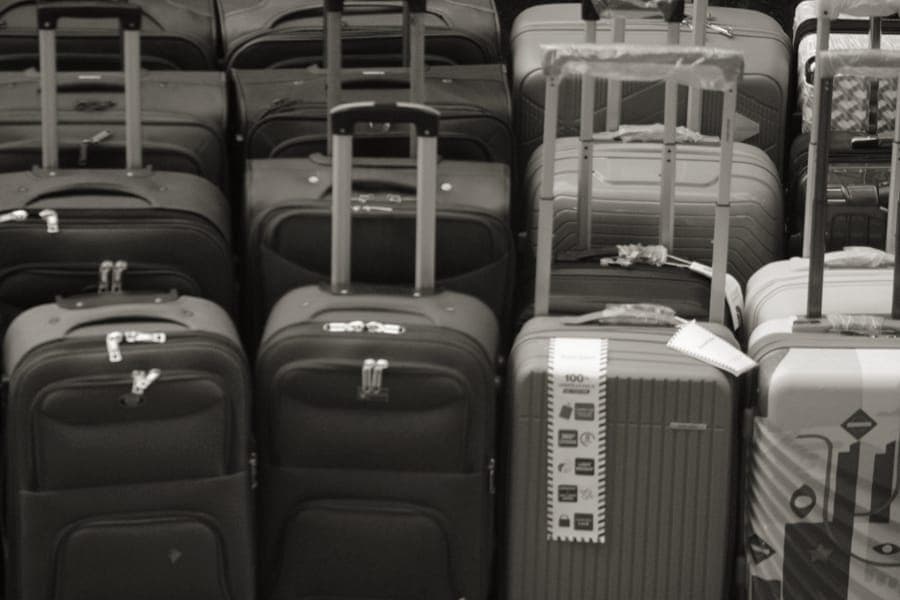 Travelpro Platinum Elite 21-inch Expandable Carry-On Spinner Built to the 22 x 14 x 9 standard, with the wheels and handle that outlast the shell. | Frequent flyers on mixed carriers | |
| 2 | 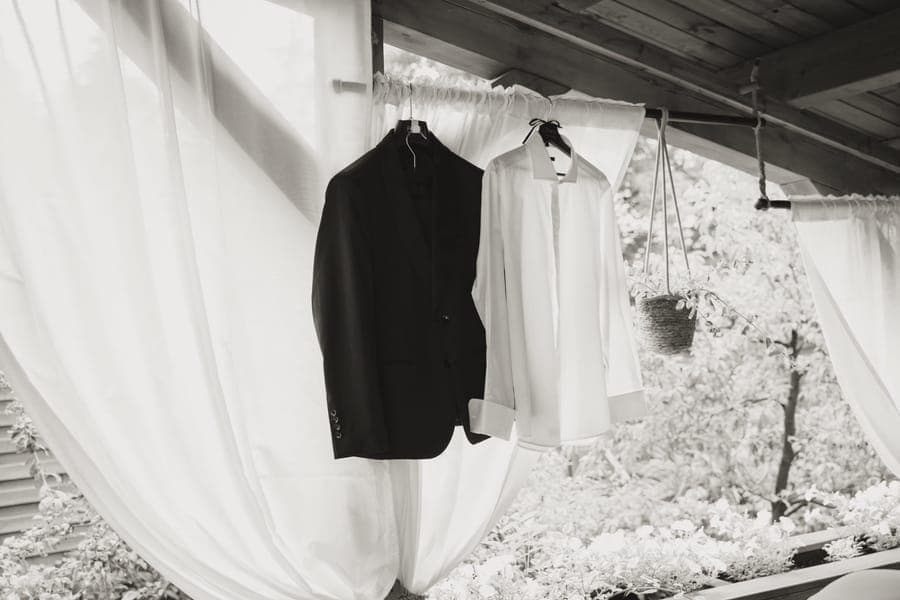 Modoker Convertible Garment Bag Hangs for the suit, folds into a carry-on-sized bag for the flight. | Trips where a suit has to arrive wearable | |
| 3 |  Peak Design Travel Backpack 45L Structured, protective, and it compresses or expands to the size you need. | Cameras, demo kit and large laptops | |
| 4 | 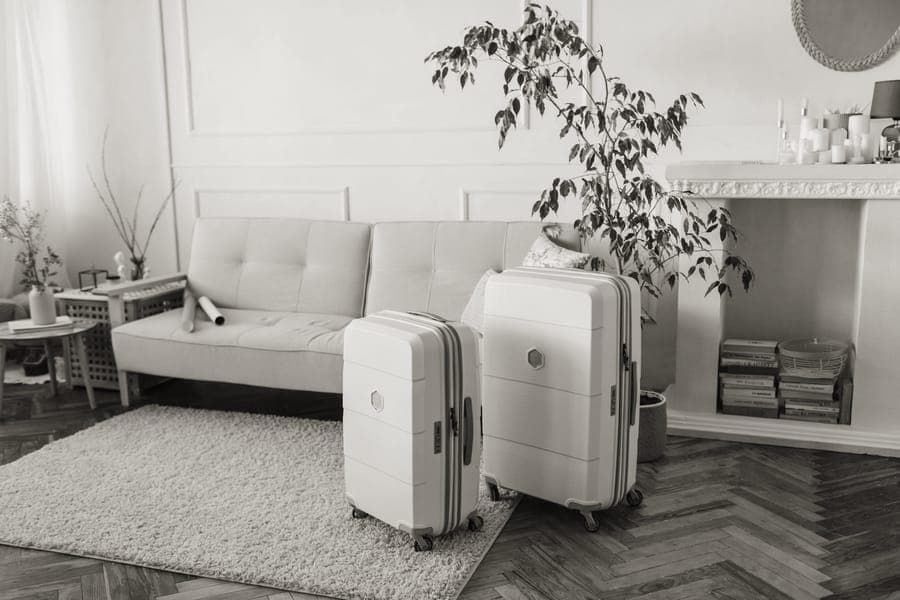 Away The Carry-On Compact hardside with an interior compression panel, for people who repack often. | City trips and tight luggage racks | |
| 5 | 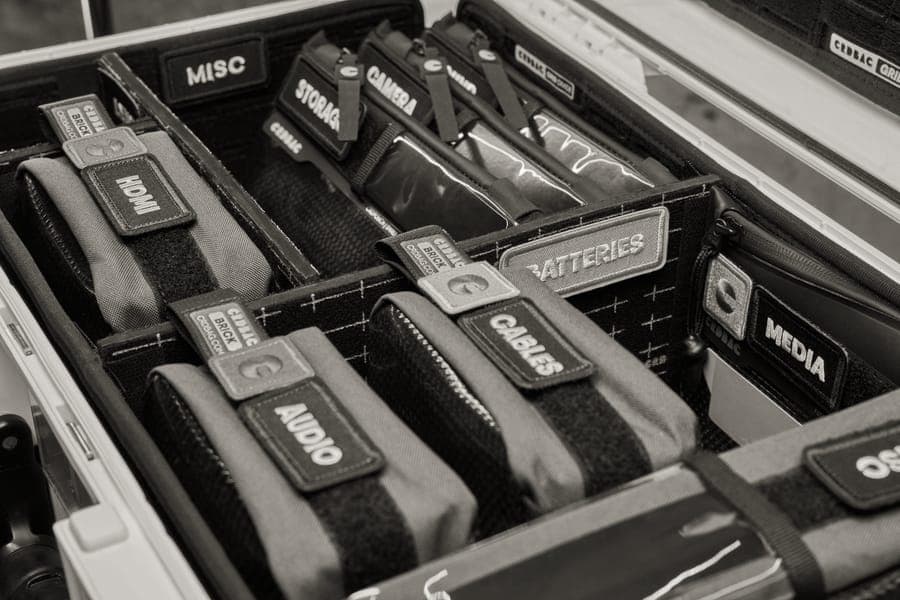 Bellroy Tech Kit Compact Small enough to live in a jacket pocket, big enough for a phone and laptop kit. | Minimal charging kits |
The one built for the parts that actually break
Travelpro Platinum Elite 21-inch Expandable Carry-On Spinner
If you fly American, Delta, United, JetBlue and Alaska in any combination you want a bag designed against the 22 x 14 x 9 standard rather than one designed against Southwest's more generous figure. This is the softside benchmark in that category, and the reason it keeps its reputation among crew and frequent flyers is that it is engineered around the components that fail under high mileage - the wheel housings and the telescoping handle - rather than around the shell.
The specs that decide it
- Clears: 22 x 14 x 9 on American, Delta, United, JetBlue and Alaska
- Construction: Softside, which compresses slightly in a gate sizer where a hardshell will not
- Expansion: Expandable - but Alaska counts expansion toward the measurement
- Why for business: Running gear is the part that fails at forty trips a year
Flaws but not dealbreakers
Use the expansion zip and the bag is no longer carry-on legal - genuinely useful for the trip home, and a trap if you forget you opened it. Softside also offers less protection if it does get gate-checked, which on a business trip is exactly when it matters.
The one that converts, so the suit travels hanging and you still bring one bag
Modoker Convertible Garment Bag
The practical problem with a traditional garment bag is that it is a garment bag and nothing else, so you end up carrying a second bag for everything that is not a suit. A convertible design folds into a carry-on shape with room for shirts, shoes and a washbag, which is the difference between one bag and two when you are walking straight from the airport to an office.
The specs that decide it
- Converts: Hangs flat for the suit, folds to carry-on shape for the flight
- Capacity: Suit plus shirts, shoes and a washbag
- Check: Confirm the folded dimensions against your airline's carry-on limit
- Pair with: How to pack a suit in a carry-on
Flaws but not dealbreakers
Folded to carry-on size, a garment bag puts a fold across the middle of the suit - exactly the crease a garment bag exists to avoid. It is a compromise, and a longer garment bag carried flat gives a better result if you can manage the second bag.
The one if the expensive thing you carry is equipment
Peak Design Travel Backpack 45L
Packs are usually bad at protecting equipment because fabric transmits crush, which is the standard argument for a hardshell. A structured pack with real padding and a compressible outer is the middle path - protection for the gear, flexibility at the gate - and side and rear access means the laptop comes out at security without unpacking the bag on the belt. This is the pick when what you are carrying costs more than the bag.
The specs that decide it
- Size: Compresses to the carry-on envelope and expands beyond it when checked
- Protection: Structured with genuine padding for equipment and laptops
- Access: Side and rear access - laptop out at security without a full unpack
- Hands free: Worth a lot if you are also wheeling a second bag
Flaws but not dealbreakers
Heavy empty, because structure and padding are material, and on a weighed 7 kg cabin allowance that undercuts one of the main reasons to choose a pack at all. It is also expensive, and overkill if you carry a laptop and nothing else.
The one for a compact footprint and a shell that keeps its shape
Away The Carry-On
A business week that moves between cities punishes a large bag: trains with racks sized for a different era, hotel rooms with no floor space, lifts that fit one person and one case. A compact hardside with an interior compression panel suits that rhythm, and the shell means a laptop in the main compartment is not crushed by whatever is stacked on top of it in the bin.
The specs that decide it
- Size: Carry-on spec with a compact footprint for train racks and small elevators
- Interior: Compression panel - useful when you repack every two days
- Shell: Hardside, which handles wet pavement and rough stone better than fabric
- Honest note: Mechanically an ordinary suitcase at a premium price
Flaws but not dealbreakers
Four-wheel spinners are the wrong configuration for genuinely rough ground - on cobblestones you end up dragging it on two wheels, loading housings sideways in a way they are not designed for. It is also expensive for what it is.
The thing that stops the cable hunt in a hotel room at midnight
Bellroy Tech Kit Compact
Most organizers are sized for a photographer's cable collection. If you carry a laptop charger, a phone cable and earbuds, a large pouch is mostly empty space you are carrying between cities. A compact structured kit fits the actual kit, keeps it in one findable place, and means security can see what it is without a secondary search.
The specs that decide it
- Size: Compact - fits a phone charger, a cable and earbuds
- Where it lives: A jacket pocket or the front pocket of a bag
- Build: Structured, so it protects rather than just containing
- Why for business: One pouch out of the bag, not six loose items
Flaws but not dealbreakers
Genuinely small - a large laptop charger will not fit, and neither will a power bank of any size. If you carry both, look at best electronics organizers for travel instead.
Which one for which kind of business trip
| Trip shape | The pick | Why |
|---|---|---|
| Same-day return, no suit | Travelpro Platinum Elite 21 | Clears every major US carrier and survives the mileage |
| Suit must arrive wearable | Modoker convertible garment bag | Only bag here that carries a suit hanging |
| Carrying demo kit or a camera | Peak Design Travel Backpack 45L | Structured padding plus side access at security |
| Multi-city by train | Away The Carry-On | Compact footprint, compression panel, hard shell |
| Any of the above | Bellroy Tech Kit Compact | The chargers live in one place instead of five |
What actually matters on a business carry-on
The features business bags are marketed on are rarely the ones that decide whether the trip goes well. In rough order of how much they matter:
- It must clear the strictest airline you fly regularly. Not the most generous one. A bag built to Southwest's 24 x 16 x 10 allowance is oversized on every other major US carrier, and on a same-day trip a gate check is the whole problem.
- The wheels and handle have to survive the mileage. Forty round trips a year is a different duty cycle from four. Shell fabric is cosmetic; the running gear is what ends a bag's life.
- The laptop has to come out without unpacking. A dedicated external sleeve or a side-access panel saves a minute at every checkpoint and stops the rest of the bag ending up loose in a bin.
- Clothes must arrive wearable. Either a garment section or a flat folding board. A rolled shirt is fine for a vacation and visibly wrong in a meeting.
- It needs to stand up on its own, loaded. You will be setting it down, opening it on a hotel luggage rack and repacking it at 6am. A bag that topples when the lid is open is a daily irritation.
Notice what is not on the list: capacity. For a two-night trip the constraint is never volume, it is whether the bag clears the gate and whether your clothes survive. Buy the smaller bag.
Carrying a suit in a carry-on
There are exactly three approaches and they rank in this order. A full-length garment bag carried flat gives the best result and costs you a second bag. A convertible garment bag folds once across the middle, which is a visible crease on a structured jacket but a workable one on most suiting. A garment folder inside an ordinary carry-on is the compromise most people land on - it holds the fold in a controlled place rather than letting the bag decide.
Whichever you choose, the jacket goes in last and comes out first, and it comes out of the bag the moment you reach the room. A suit that spends an extra four hours folded in a closed case is the one that needs steaming. How to pack a suit in a carry-on is the step-by-step version, and best garment bags for travel covers the full category.
Backpack or roller for business?
A roller wins on long flat terminals, on anything heavy, and on arriving without having carried a load. A backpack wins on stairs, on moving quickly through a crowded concourse, and on any trip where you also have a second bag to manage - because a backpack leaves both hands free.
The honest deciding question is whether you arrive and go straight into a meeting. If you do, a roller is better: a 45-liter pack carried through a terminal in a jacket is a change of shirt you did not plan for. If you check into a hotel first, carry whichever you prefer. Travel backpack vs suitcase works through the full comparison.
How we chose these
Every bag here already appears elsewhere on this site and was re-ranked against one question: what breaks, or what costs you a meeting, on a trip taken forty times a year? That puts running-gear reliability and gate compliance above capacity and above finish.
We do not run a testing lab, we do not publish prices we cannot verify, and we do not claim to have flown any of these forty times - our methodology is explicit about what we do and do not do. Every drawback above is a real, named flaw rather than a softened one.
Frequently asked questions
What is the best carry-on for business travel?
Can you fit a suit in a carry-on?
Is a backpack or a roller better for business trips?
Will my carry-on fit on a regional jet?
Do I need a hardside bag for business travel?
Read next
- How to pack a suit in a carry-on
- Best carry-on luggage
- Best garment bags for travel
- Carry-on size by airline
- Travel backpack vs suitcase
- Best electronics organizers for travel
More in Luggage, or see every roundup and comparison on the site.