Samsonite vs Travelpro
One brand built its reputation on softside bags for people who fly constantly. The other sells almost every shell, size and color there is. That difference decides this, not quality.
By Michael W. · Last updated October 1, 2026

We earn a commission when you buy through our links, at no extra cost to you. It never changes what we pick or how we rank it. How we’re funded.
These are the two names you will actually see in a department store, and the comparison is almost always framed as a quality contest. That framing is wrong, and it is why most of these articles end in a shrug. Both brands make good luggage and bad luggage, and at the same price you will get broadly similar bags. The useful difference is structural: Travelpro is a softside specialist that built its business around people who fly for a living, and Samsonite is a generalist with an enormous hardside range and a shell for every taste.
That is not a small distinction. Travelpro's own catalog lists only a handful of hardside pieces; Samsonite's runs past a hundred. If you have already decided you want a polycarbonate shell in a specific color, the decision is largely made for you. If you want a softside bag with external pockets and the lightest possible empty weight, it is made for you in the other direction.
What actually decides this
- Shell first, brand second. Settle hardside or softside before you compare brands. It eliminates most of one catalog immediately and saves you reading about bags you were never going to buy.
- How often you fly. The gap between these brands widens as you go up their ranges. At entry level they are near-interchangeable. In the premium lines Travelpro's materials step up more than Samsonite's do, which only matters if you are putting a bag through fifty flights a year rather than four.
- Empty weight. Both sell bags well under 7 pounds and bags well over 10. The collection matters far more than the badge, and on any carrier that weighs cabin bags the empty weight comes straight out of what you can pack.
- What happens when it breaks. This is the one genuine, checkable difference between the two companies, and it is about the return window rather than the warranty headline. Details below.
Everything below is organized around those four. We have grouped the picks by the job rather than by brand, because nobody actually needs a particular badge - they need a carry-on that fits the limit they fly against, or a checked bag that survives a connection.
Quick picks
The short list. Tap any row for the full write-up, including what each one is bad at.
| # | Product | Best for | Price |
|---|---|---|---|
| 1 | 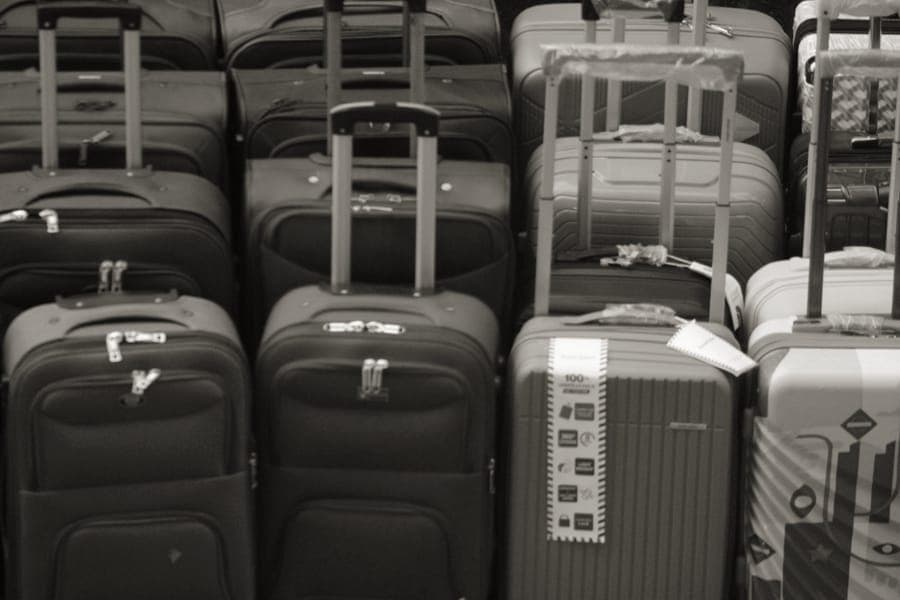 Travelpro Platinum Elite 21-inch Expandable Carry-On Spinner Travelpro's premium softside line, built around the parts that actually fail. | Fifty flights a year | |
| 2 |  Travelpro Maxlite 5 21-inch Expandable Carry-On Spinner The same 46 liters as the premium line, at well over two pounds less. | Carry-on weight limits | |
| 3 |  Samsonite Freeform Hardside Carry-On Spinner Polypropylene, lighter than most hard shells, and a 10-year warranty. | Hardside on a budget | |
| 4 | 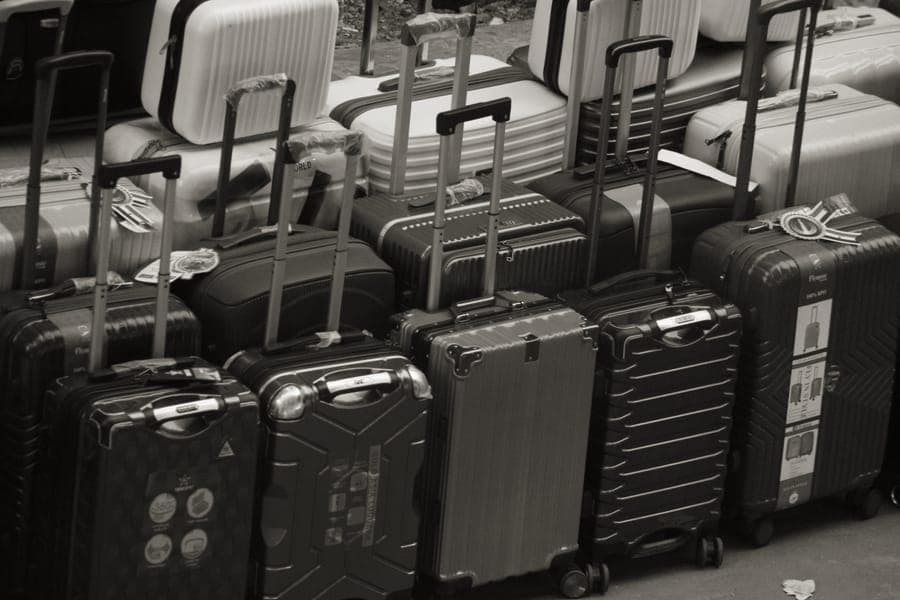 Samsonite Winfield 3 DLX Hardside Spinner Full polycarbonate, three sizes, and the organization a checked bag needs. | Checking a bag twice a year |
The bag to buy if you fly most weeks
Travelpro Platinum Elite 21-inch Expandable Carry-On Spinner
This is the clearest argument for the specialist. The Platinum Elite spends its budget on running gear rather than finish: a four-stop adjustable telescoping handle, the brand's magnetic-alignment spinner wheels, and a ballistic nylon shell on the premium line. Those are the components that end a suitcase's life, and on a bag taking several flights a month they are what you are actually buying. The interior is unusually well thought out too - a fold-out suiter, a tie-down system with built-in accessory pockets, and a removable quart-size wet pocket that doubles as your 3-1-1 liquids bag.
The specs that decide it
- Size: 21 x 14 x 9 inches - built to the standard US carry-on limit
- Weight: 7.8 lb empty
- Capacity: 46 liters, expanding up to 2 inches more
- Shell: Ballistic nylon softside
- Power: USB port with a separate powerbank pocket - battery stays removable, as airlines require
Flaws but not dealbreakers
It is the heaviest carry-on on this page at 7.8 lb, which is close to two and a half pounds more than Travelpro's own lightweight line and a real cost on any airline that weighs cabin bags. It also sits in the premium bracket, and the styling is deliberately conservative - this is a bag designed to look unremarkable in an airport, not a bag designed to be admired. If you fly three times a year you will not come close to using what you paid for.
The bag to buy if the airline weighs your cabin bag
Travelpro Maxlite 5 21-inch Expandable Carry-On Spinner
Travelpro's volume seller, and the one that makes the brand comparison difficult for Samsonite at the mid-range. At 5.4 lb empty it carries the same 46 liters as the Platinum Elite while leaving you noticeably more allowance on a carrier that enforces a 7 to 10 kg cabin limit - which is most European and low-cost airlines. You get a full-length lid pocket, two exterior pockets, a side accessory pocket and hold-down straps, plus the same 2 inches of expansion. For somebody flying a handful of times a year this is the sensible stop, and it is the bag we point most people at on the best carry-on luggage shortlist.
The specs that decide it
- Weight: 5.4 lb empty
- Capacity: 46 liters, expanding up to 2 inches
- Overall size: 23 x 14.5 x 9 inches including wheels and handles
- Returns: 100-day satisfaction trial with free returns
Flaws but not dealbreakers
The weight saving comes out of the fabric and the running gear, and it shows. The shell is a lighter fabric than the Platinum Elite's ballistic nylon and scuffs more readily, and the handle has more play in it under load. Note also that the published overall dimensions include 23 inches of height with wheels and handles - that exceeds the 22-inch sizer, so this is a bag that relies on soft-shell give at a strict gate measurement rather than clearing the box outright.
The bag to buy if you want a hard shell without the premium bracket
Samsonite Freeform Hardside Carry-On Spinner
Here is where the generalist wins outright, because Travelpro barely competes in this category. The Freeform is polypropylene rather than polycarbonate, which means it flexes under impact instead of resisting it - lighter at 6.5 lb than most hard shells and more forgiving of being sat on by a baggage handler. Double spinner wheels, a recessed three-dial TSA combination lock and an inch of expansion round it out, and it is covered by Samsonite's 10-year limited warranty. If a hard shell is what you want, this is the honest value pick and it also features on the best hardside luggage roundup.
The specs that decide it
- Shell: Polypropylene - flexes rather than cracking
- Weight: 6.5 lb empty
- Overall size: 23 x 15 x 10 inches; interior 20.5 x 14.5 x 10 inches
- Security: Recessed 3-dial TSA combination lock
- Warranty: 10-year limited
Flaws but not dealbreakers
Flexible shells scratch early and visibly, and the Freeform is no exception - expect it to look used after a couple of trips. The interior is ordinary by current standards: a divider and straps rather than a compression panel. And as with the Maxlite, the published overall footprint of 23 x 15 x 10 inches is larger than the 22 x 14 x 9 sizer, except this time the shell will not give, so check your airline's enforcement before you rely on it as cabin baggage.
The bag to buy if it is going in the hold
Samsonite Winfield 3 DLX Hardside Spinner
For a bag that will spend its life on conveyor belts, a rigid shell is the right answer and polycarbonate is the right rigid shell. The Winfield 3 DLX is 100 percent polycarbonate with an integrated TSA lock, oversized multidirectional spinner wheels, a recessed pushbutton locking pull handle, and side feet so it sits and slides properly in a car trunk. The four-pocket two-sided divider panel is the part that matters once a bag is big enough to lose things in. It comes in 20, 25 and 28-inch sizes, and it is one of the picks on the best checked luggage page.
The specs that decide it
- Shell: 100 percent polycarbonate
- Sizes: 20, 25 and 28 inch
- Weight: 10.6 lb empty in the 28-inch size
- Interior: Four-pocket two-sided divider panel
- Warranty: 10-year limited
Flaws but not dealbreakers
At 10.6 lb the 28-inch version starts a fifth of the way through a 50 lb allowance before you pack a thing, which is the standing argument for buying the 25-inch instead. The wheels are oversized singles rather than paired doubles, which roll well on smooth floors and less happily on broken pavement. Gloss polycarbonate also shows every scuff, and on a bag you are deliberately handing to an airline, it will collect plenty.
Samsonite vs Travelpro, head to head
| Samsonite | Travelpro | |
|---|---|---|
| Founded | Early 1900s, as a trunk maker | Late 1980s, around the first rollaboard |
| Core strength | Hardside range and color choice | Softside bags for frequent flyers |
| Hardside options | Well over a hundred pieces | Roughly eight |
| Where the premium goes | Styling and finish | Materials and running gear |
| Return window | 30 days, shipping not reimbursed | 100 days, return shipping paid |
| Defect coverage | Set per collection, up to 10 years | Set per collection, up to limited lifetime |
| Price range | Wider - reaches higher at the top end | Narrower, concentrated in the middle |
| Typical buyer | Occasional leisure traveler | Flies most weeks |
The shell question settles it faster than any brand argument
If you want a hard shell, Samsonite is the default and it is not close - its hardside catalog runs past a hundred pieces against Travelpro's handful. You get polycarbonate at the top, polypropylene in the middle, every color on the shelf, and a service network that has existed for a century.
If you want softside, the position reverses. Travelpro's whole identity is the softside rollaboard - the founder designed the first one in the late 1980s, and the brand's long association with airline crews is the reason its premium bags are built the way they are. External pockets, a fabric shell that gives you an inch of forgiveness at a gate sizer, and the lowest empty weights on this page.
Decide this before you compare prices
Picking the shell first eliminates most of one catalog and makes the rest of the comparison short. Our hardside vs softside page covers where the difference is real - and it is a shorter list than the internet suggests.
The returns difference is real. The warranty difference mostly is not
You will read that Travelpro gives you a lifetime warranty and Samsonite gives you ten years. That is too neat. Both brands set coverage by collection, not by badge - published terms across each range run from a few years at the entry level up to limited lifetime coverage on the premium lines. The Freeform and the Winfield 3 DLX above are 10-year limited. Travelpro's Maxlite 5 carries its own collection-specific coverage rather than a blanket lifetime promise.
What is genuinely, checkably different is the trial period. Travelpro publishes a 100-day satisfaction trial with a full refund and return shipping paid if the bag disappoints you. Samsonite's standard return window is 30 days and does not reimburse shipping. On a product whose faults you only discover on an actual trip, that gap is worth more than the warranty wording.
What a warranty does not cover
Manufacturing defects, almost always. The wheel you destroyed on a cobbled street, almost never - and a covered repair still means weeks without the bag. Buy for the failure mode you will actually hit rather than the length of the promise.
Weight is a collection decision, not a brand one
The lightest carry-on on this page is Travelpro's, at 5.4 lb. But Samsonite's own ultralight line reaches down to around 3.7 lb in a 20-inch spinner, which beats everything Travelpro sells. Neither brand owns the lightweight argument - you have to check the specific collection.
The reason to care is narrow but sharp. On most major US carriers there is no cabin weight limit, so empty weight is a convenience question. On international and low-cost carriers enforcing 7 to 10 kg, every pound of suitcase is a pound of clothes you cannot bring. If you mostly fly the second kind, weigh the bag before anything else and read the best luggage for Europe, where this constraint bites hardest.
| Bag | Size | Empty weight |
|---|---|---|
| Travelpro Maxlite 5 | 21 inch carry-on | 5.4 lb |
| Samsonite Freeform | 21 inch carry-on | 6.5 lb |
| Travelpro Platinum Elite | 21 inch carry-on | 7.8 lb |
| Samsonite Winfield 3 DLX | 28 inch checked | 10.6 lb |
Which one, for the trip you actually take
- You fly most weeks, carry-on only. Travelpro, premium line. The running gear is where your money goes and it is the part that fails.
- You fly a few times a year, carry-on only. Either brand's mid-range, chosen on shell preference. If the airline weighs cabin bags, Travelpro's lightweight line; if you want a hard shell, Samsonite's.
- You check a bag twice a year. Samsonite, polycarbonate, 25-inch rather than 28. The hold is rough on bags and a rigid shell is the right answer.
- You want a specific color or finish. Samsonite, on range alone. Travelpro's palette is deliberately corporate.
- You want a matching set. Samsonite, again on range - though read the luggage sets page first, because most households use one piece and store the other two.
- You would rather not roll anything. Neither. This is a travel backpack question and both brands are weak in that category.
How we compared these
From published manufacturer specifications and published terms - dimensions, empty weights, shell materials, lock type, warranty length and return policy - cross-checked against hands-on reviews by named outlets where those exist. Every number in the tables above is a figure the manufacturer publishes for that specific collection, not an estimate.
We have not disassembled these bags or run them through a durability rig, because we do not have a lab, and we will not imply otherwise. Where a claim rests on somebody else's testing we say whose; our methodology sets out exactly where that line sits. The sources are listed at the foot of this page.
We also deliberately avoided the thing these comparisons usually do, which is to declare a brand winner. Across four bags here the awards split two apiece, and that is the honest outcome rather than a hedge.
What we passed over
Samsonite's premium sub-brands and Travelpro's crew-focused modular range both have real arguments, but neither is where a first-time buyer should start - they solve narrow problems at high prices. We have also left out both brands' entry-level bags: under a certain point the wheels and handle are the same commodity parts regardless of the badge on the front, and the brand comparison stops meaning anything.
If your budget sits there, the useful comparison is not Samsonite against Travelpro at all - it is the best budget carry-on luggage, where the question becomes which commodity bag has the least-bad handle.
The verdict
Travelpro if you fly often and want softside. Samsonite if you want a hard shell, a particular color, or a set. That is the whole answer, and it is a catalog decision rather than a quality one.
The two things worth remembering past that: the 100-day trial is Travelpro's most concrete advantage over its rival and almost nobody mentions it, and the warranty headlines on both sides are collection-specific rather than brand promises. If neither brand's range has what you want, the best luggage brands page covers what each tier of the market actually buys, and Away vs Monos covers the direct-to-consumer field instead.
Frequently asked questions
Is Samsonite or Travelpro better?
Does Travelpro have a lifetime warranty?
Which brand makes lighter luggage?
Why does Travelpro cost more?
Is Samsonite good for checked luggage?
Do these bags fit as carry-on luggage?
Sources
- Travelpro - Maxlite 5 21-inch Expandable Carry-On Spinner, manufacturer specifications
- Samsonite - Freeform Carry-On Spinner, manufacturer specifications
- SmarterTravel - Travelpro vs Samsonite: Which Suitcase Brand Is Better?
- OutdoorGearLab - Travelpro Platinum Elite 21 Expandable Spinner review
- Consumer Reports - Travelpro Maxlite 5 21-inch Carry-On Spinner
Read next
- Hardside vs softside luggage
- Best luggage brands
- Best carry-on luggage
- Best checked luggage
- Away vs Monos
- Carry-on size by airline
More in Luggage, or see every roundup and comparison on the site.