The best carry-on luggage for women
Most of what gets marketed as women's luggage is a color. Three things genuinely differ, and all three are measurable.
By Michael W. · Last updated October 3, 2026
We earn a commission when you buy through our links, at no extra cost to you. It never changes what we pick or how we rank it. How we’re funded.
The best carry-on for most women is the Travelpro Maxlite 5 21-inch spinner, because at 5.4 lb empty it is the lightest properly built wheeled carry-on you can lift into an overhead bin - and overhead lift, not styling, is the spec that separates a bag you tolerate from a bag you resent. If you would rather carry than roll, the Osprey Fairview 40 is the same pack as the Farpoint with the harness geometry re-cut for a shorter back.
There is no engineering category called women's luggage. What there is: a lot of identical cases sold in different colors, and three specifications that genuinely vary with the person carrying the bag. This page ranks on those three and ignores the rest.
The three things that actually differ
Empty weight, because you have to raise the loaded bag above your head. Harness geometry, if it is a pack rather than a case. And the personal item you pair with it, because a handbag plus a suitcase is two shoulders' worth of work and a tote with a trolley sleeve is none.
Quick picks
The short list. Tap any row for the full write-up, including what each one is bad at.
| # | Product | Best for | Price |
|---|---|---|---|
| 1 |  Travelpro Maxlite 5 21-inch Expandable Carry-On Spinner 5.4 lb empty for 46 liters - the lightest properly built wheeled carry-on here. | Overhead lift | |
| 2 |  Osprey Fairview 40 Travel Pack Identical to the Farpoint, with the harness geometry cut for a shorter back. | Shorter torso lengths | |
| 3 |  Samsonite Freeform Hardside Carry-On Spinner A polypropylene-type shell that is light for the hardside category and wipes clean. | Fragile contents | |
| 4 |  Rockland Melbourne Hardside Carry-On Cheap, light, and it has the external pockets a hardshell refuses to give you. | Working while traveling | |
| 5 | 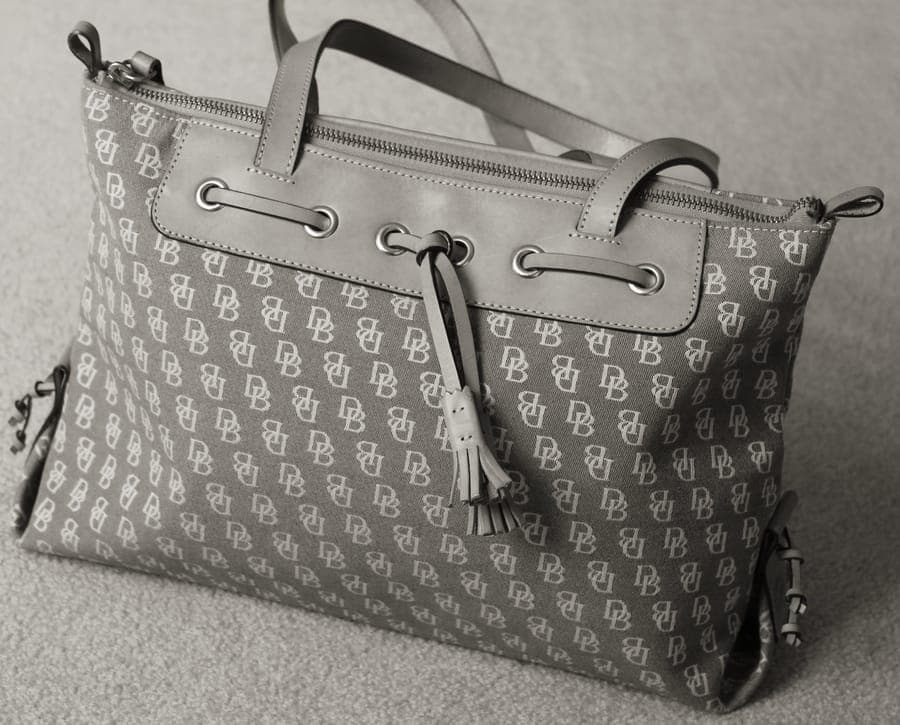 Baggallini Carryall Travel Tote A tote sized to the under-seat allowance, with a sleeve that slides over a suitcase handle. | Replacing a handbag on a trip |
The one that is easiest to get into an overhead bin
Travelpro Maxlite 5 21-inch Expandable Carry-On Spinner
The hardest physical moment of any flight is raising a packed carry-on from the aisle floor to shoulder height in a space too narrow to use both arms properly. Every pound of empty suitcase makes that worse, and a premium hardshell can weigh two pounds more than this for the same capacity. Travelpro publishes 5.4 lb empty and 46 liters, and the weight is taken out of the shell fabric and the internal structure rather than out of the wheels and handle - which are the parts that fail.
The specs that decide it
- Weight: 5.4 lb empty, published by Travelpro, for 46 liters
- Overall size: 23 x 14.5 x 9 inches including wheels and handles
- Construction: Softside, so it gives slightly in a gate sizer
- Running gear: Four-wheel spinner, so it can be pushed rather than pulled
Flaws but not dealbreakers
The published overall height is 23 inches with wheels and handles, which is over a 22-inch sizer - this bag relies on soft-shell give at a strict gate rather than clearing the box outright. The lighter fabric scuffs sooner than ballistic nylon too. Check it against carry-on size by airline if you fly a carrier that measures.
The one where the fit is a specification rather than a color
Osprey Fairview 40 Travel Pack
This is the one product in the category where the gendered version is a real engineering change rather than a palette. Osprey re-cut the suspension: shorter back panel, narrower shoulder-strap spacing, differently angled hip belt. On a pack, fit outranks every other spec - a harness built for a longer torso will never be comfortable on a shorter one however you adjust it - so if you are carrying 40 liters through a terminal, this is the version to buy.
The specs that decide it
- Capacity: 40 liters, the same as the Farpoint
- Harness: Shorter back panel, narrower strap spacing
- Size: Carry-on envelope; the harness stows for check-in
- Opening: Clamshell, so it packs like a suitcase
Flaws but not dealbreakers
Airport-grade suspension rather than hiking suspension, and no dedicated laptop sleeve. Torso length is also individual rather than gendered, so the naming is more marketing than measurement - try both if you can. And you carry the weight instead of rolling it, which rules it out entirely for anyone with back or shoulder problems.
The one if something in the bag can break
Samsonite Freeform Hardside Carry-On Spinner
Hardshells are normally the heaviest option, because a rigid shell is material and material is mass. The Freeform is the compromise worth making if you carry a camera, glassware, a bottle or work equipment: it holds its shape under three other bags in a packed bin, which a soft case does not, while staying light for a hardside. The split-case interior also packs flat and evenly on both sides, which makes a 46-liter space behave like more.
The specs that decide it
- Size: Carry-on spec against the 22 x 14 x 9 standard
- Shell: Polypropylene-type - light for a hardshell, water-resistant
- Interior: Split-case clamshell, which packs flat on both sides
- Trade-off: Still heavier empty than any softside bag here
Flaws but not dealbreakers
A hardshell has no give - half an inch over and there is no pushing it into the sizer. The split case also needs floor space to open, which is awkward in a small hotel room or a train compartment, and light-colored shells scuff visibly within a few trips. Hardside vs softside luggage has the full trade.
The one for people who want reachable pockets more than a shell
Rockland Melbourne Hardside Carry-On
If you want a passport, a phone, a laptop or a water bottle without opening the main compartment on a terminal floor, external pockets are worth more than shell rigidity - and at this price that access is the main thing a hardshell takes away from you. It is also light, which matters on any route with a cabin weight cap.
The specs that decide it
- Size: Carry-on spec - check the stated overall dimension including wheels
- Access: External pockets for a laptop, documents and security-tray items
- Weight: Light, which matters on a weight-capped route
- Cost: A fraction of the premium cases above
Flaws but not dealbreakers
Budget bags have thin linings and lightweight zips, and the zip is usually the first thing to fail. It also offers essentially no protection to anything fragile - if you carry a camera, buy the Freeform instead. See best budget carry-on luggage for the wider budget field.
The second bag that stops you carrying anything through a terminal
Baggallini Carryall Travel Tote
The carry-on is only half of what you are allowed, and a handbag carried on one shoulder alongside a rolling case is the single most tiring arrangement in an airport. A structured tote with a trolley sleeve stacks onto the suitcase handle so nothing is carried at all, does the under-seat job on board, and then behaves like a normal bag at the other end rather than announcing itself as luggage.
The specs that decide it
- Clears: The 18 x 14 x 8 envelope; check the model against United's tighter figure
- Trolley sleeve: Slides over a suitcase handle instead of being carried
- Weight: Light empty - the spec that matters across a ten-hour day
- Check against: Personal item size by airline
Flaws but not dealbreakers
A single-strap tote carried loaded on one shoulder is genuinely uncomfortable, and an open top is the least secure bag shape there is - fine for a museum day, wrong for a crowded metro. Totes also sag, which makes them harder to slide under a seat than a structured bag.
The specs that actually differ
| Pick | Type | Empty weight | Capacity | Best for |
|---|---|---|---|---|
| Travelpro Maxlite 5 21in Spinner | Softside wheeled | 5.4 lb (published) | 46 L | Overhead lift |
| Osprey Fairview 40 | Travel pack | Not published as a headline spec | 40 L | Shorter torsos |
| Samsonite Freeform Carry-On | Hardside wheeled | Heavier than softside | Carry-on spec | Fragile contents |
| Rockland Melbourne Carry-On | Budget wheeled | Light | Carry-on spec | Reachable pockets |
| Baggallini Carryall Tote | Personal item | Light empty | Under-seat | Pairing, not replacing |
What genuinely differs, and what is just a colorway
Walk a luggage aisle and the women's section is the same cases in blush, sage and lilac. That is not a criticism of the bags - they are often the right bags - but it is worth being clear that the color is the product difference in most of that aisle, and the things that will actually affect your trip are elsewhere.
| Marketed as the difference | What actually matters | Why |
|---|---|---|
| Colorway and finish | Empty weight | You raise the loaded bag to shoulder height in a narrow aisle. Two pounds is a lot there |
| A smaller bag | Harness geometry, on packs only | Back-panel length and strap spacing are measurable. Overall size is not gendered |
| A matching handbag | A personal item with a trolley sleeve | Stacking the second bag on the handle means nothing is carried at all |
| Interior compartments | Handle height when extended | A handle too short for you means walking stooped; check the published extended height |
The honest conclusion is that a woman buying a carry-on should read the same spec sheet as anyone else, with empty weight moved to the top of it. That is why the ranking above is the ranking it is.
The lift is the spec nobody lists
Airlines publish dimensions. Manufacturers publish empty weight, usually in small print. Nobody publishes the number that decides whether you are happy with the bag: how heavy the whole thing is at the moment you have to get it over your head.
Work it backwards instead. A 46-liter carry-on packed for a week holds somewhere between 15 and 22 lb of clothes and shoes depending on what you bring. Add 5.4 lb of suitcase and you are lifting roughly 21 to 27 lb. Add 7.5 lb of premium hardshell and the same packing list becomes 23 to 30 lb. Two pounds of empty bag sounds trivial written down and is not trivial at arm's length.
- Weigh the bag empty when it arrives and write the number inside the lid. Best luggage scales covers the hardware and most of it is cheap.
- Pack the heavy items low and against the wheel end. A bag with its mass at the top is harder to lift and more likely to tip over when you let go of it.
- Use the personal item for the dense things. Books, chargers and a laptop are better at your feet than above your head - and that is where the trolley-sleeve tote earns its place.
- If the lift is genuinely a problem, do not buy a lighter case - stop lifting. A wheeled under-seater never goes in a bin at all.
Treat the carry-on and the personal item as one purchase
Airlines have quietly made the under-seat bag the second half of the cabin allowance, and it is the half most people waste. A handbag carried on one shoulder uses a fraction of the space you are entitled to and costs you a shoulder for the whole journey.
The arrangement that works: one wheeled case, one structured tote with a trolley sleeve stacked on its handle, and nothing in your hands. You get the full allowance, you carry none of it through the terminal, and the tote is a usable bag at the destination rather than a nylon sack. If you would rather not have a second bag at all, a 40-liter pack with a daypack inside does the same job differently.
Check the numbers before you buy the pair, though. United publishes 17 x 10 x 9 inches for the personal item, the tightest figure among the major carriers, and it rules out a lot of bags sold as universal - personal item size by airline has every published figure.
How we chose these
Published empty weight first, because it is the number that decides the overhead lift. Then harness fit, where the product actually offers a fitted version rather than a color. Then whether the bag gives you reachable external access, because a bag you have to open on the floor is a bag you will come to dislike. Then price.
Every bag here is already recommended elsewhere on this site for a different reason and was re-ranked against those criteria. Nothing was added to fill a slot, and no weight figure appears above unless the manufacturer publishes it. We do not run a lab and we have not weighed these bags ourselves - our methodology sets out exactly what that means.
Frequently asked questions
Is there really a difference between men's and women's luggage?
What is the lightest carry-on for lifting into an overhead bin?
Should I buy a carry-on or a travel backpack?
Can I bring a handbag as well as a carry-on?
Does carry-on weight matter on US flights?
Sources
Read next
- Best carry-on luggage
- Best lightweight luggage
- Best personal item bags
- Travel essentials for women
- Carry-on size by airline
- What size luggage do I need?
More in Luggage, or see every roundup and comparison on the site.