The best luggage tags
A luggage tag has two jobs: survive the belt, and not tell a stranger where you live. Most fail one of them.
By Michael W. · Last updated September 23, 2026
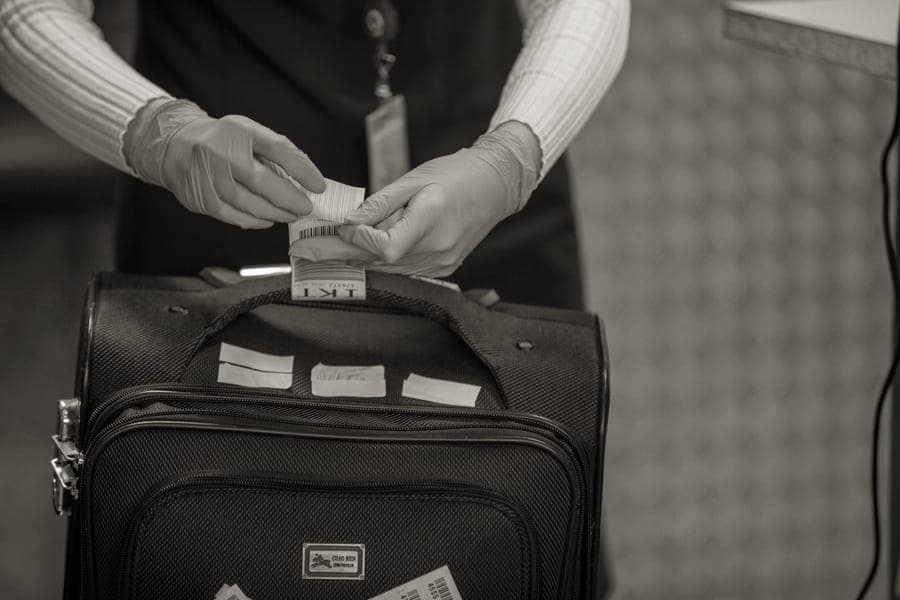
We earn a commission when you buy through our links, at no extra cost to you. It never changes what we pick or how we rank it. How we’re funded.
Luggage tags look like the least interesting purchase in travel, and they fail more often than any other piece of luggage hardware. The failure is always the same: the attachment loop breaks in a baggage system, and the tag that was supposed to reunite you with a lost bag is now lying on a conveyor in another state.
The second problem is privacy. An open tag with your name and home address on it, circling a public carousel, is a notice that a house is empty for the next two weeks. That is not paranoia, it is a reason the privacy flap exists - and yet most tags sold still display everything face up.
Put a second label inside the bag
Whatever tag you use, put your contact details on a card inside the bag too. External tags come off; the inside label is what airline baggage services actually use when a bag arrives with no tag. It costs nothing and it is the single most effective thing on this page.
Quick picks
The short list. Tap any row for the full write-up, including what each one is bad at.
| # | Product | Best for | Price |
|---|---|---|---|
| 1 | Travelambo Leather Luggage Tags Leather with a covered window, so your address is not face up on a carousel. | Most travelers | |
| 2 | 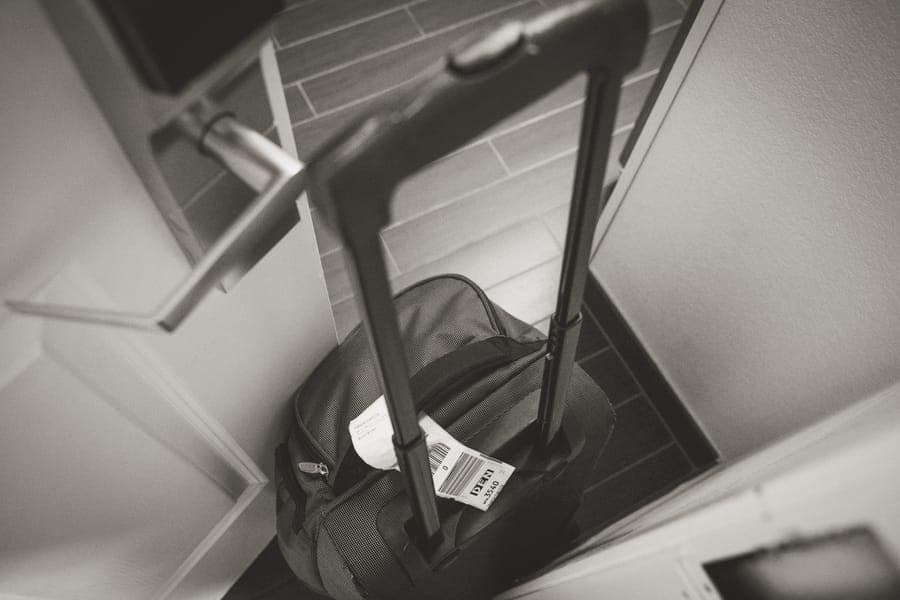 Stainless Steel Cable Luggage Tags A steel cable loop instead of a plastic strap - the failure mode removed. | Bags that get checked often | |
| 3 | 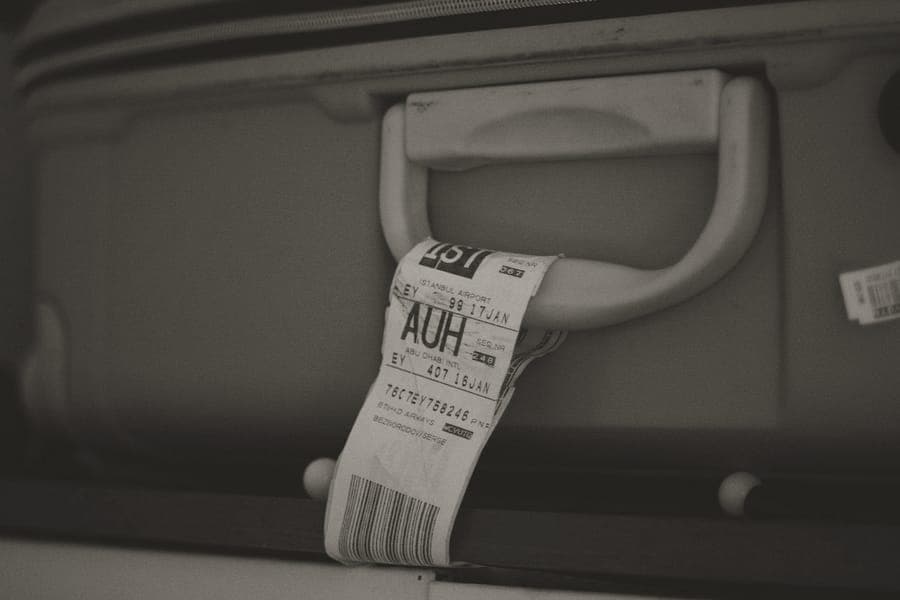 Bright Silicone Luggage Tags A bright flexible tag that doubles as a bag identifier at the carousel. | Generic-looking bags | |
| 4 | 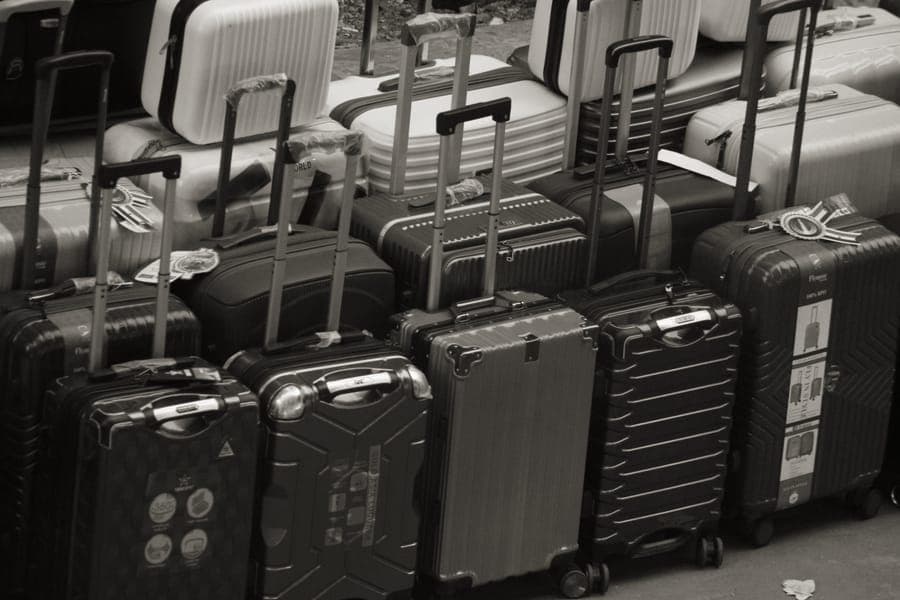 AirTag Luggage Tag Holder Holds an AirTag on the outside of the bag - with the risks that implies. | People already using a tracker |
The one with a privacy flap that actually covers the details
Travelambo Leather Luggage Tags
The sensible default: a covered window means a baggage agent can read your details by lifting a flap, and a stranger at the carousel cannot read them by standing next to your bag. Leather also survives being dragged along a conveyor better than the molded plastic tags airlines hand out.
The specs that decide it
- Privacy: Covered window - details readable on inspection, not at a glance
- Material: Leather, which abrades rather than snapping
- Attachment: Check the loop type - this is where tags fail
Flaws but not dealbreakers
The weak point on almost every tag in this class is the attachment strap, not the tag body. If it ships with a thin leather or plastic loop, replace it with a steel cable before the first trip - the tag will outlast the loop several times over.
The one that solves the part that actually breaks
Stainless Steel Cable Luggage Tags
If you have lost a tag in a baggage system, you did not lose it because the tag broke. You lost it because the loop did. A steel cable loop does not snap under the lateral load of a conveyor transfer, which is the entire reason tags disappear.
The specs that decide it
- Attachment: Steel cable loop - the durable answer to the usual failure
- Body: Metal or reinforced plastic
- Fit: Cable loops are stiffer than straps, so check it suits your handle
Flaws but not dealbreakers
Steel cable loops are fiddly to fit and to remove, which is annoying if you swap tags between bags. Metal tag bodies also scratch the shell of a hardside case as they swing against it.
The one that helps you spot a black suitcase among fifty black suitcases
Bright Silicone Luggage Tags
Most checked bags are black rectangles and the carousel is full of them. A bright tag is a genuinely useful identifier that saves you lifting somebody else's bag off the belt. Silicone also flexes rather than snapping, which is why these survive when rigid plastic tags do not.
The specs that decide it
- Visibility: Bright color - doubles as a bag identifier
- Material: Silicone, which flexes under load instead of cracking
- Privacy: Usually none - check for a covered window before buying
Flaws but not dealbreakers
Most bright silicone tags display your details openly, which is exactly what the privacy flap exists to prevent. If you buy one, write only your name, email and phone - never a home address.
The one that turns an AirTag into a tag you can actually attach
AirTag Luggage Tag Holder
If you already use a Bluetooth tracker, a holder makes it attachable rather than loose in a pocket where it ends up under everything. The honest caveat is that external mounting is a trade: easier to reach, easier for somebody else to remove.
The specs that decide it
- Function: Holds a tracker on the bag exterior
- Pairs with: Bluetooth trackers - see best luggage trackers
- Attachment: Check the loop; the usual failure applies here too
Flaws but not dealbreakers
A tracker visible on the outside of a bag is a tracker somebody can remove. Most travelers are better off putting the tracker inside the bag, where it still works and cannot be detached - which makes the holder unnecessary.
How they compare
| Pick | Privacy | Attachment | Doubles as identifier? | Main flaw |
|---|---|---|---|---|
| Travelambo leather | Covered window | Strap - consider upgrading | No | Loop is the weak point |
| Steel cable tags | Varies by model | Steel cable | No | Fiddly, can scratch shells |
| Bright silicone | Usually open | Silicone loop | Yes | Displays details openly |
| AirTag holder | n/a | Varies | No | Tracker is removable outside the bag |
What to actually write on the tag
Not your home address. A tag circling a public carousel with a full address on it tells anyone reading it that a specific house is unoccupied - and the tag has already told them how long you are away, because the airline routing sticker is right next to it.
- Name - or a last name and initial, which is enough for a baggage agent.
- Email address - the most useful contact, because it works internationally with no roaming issues.
- Phone number with country code - so somebody abroad can actually dial it.
- Your destination address, not your home one, if you want a physical address on there at all. That is where a delayed bag would be delivered anyway.
And put a full card inside the bag. When a bag arrives with no external tag - which is exactly the scenario a tag is meant to prevent - the inside label is what airline baggage services look for. It is the cheapest, most effective step in the entire category.
How we chose these picks
Attachment durability first, since that is the failure that actually happens. Then privacy, because it costs nothing to design in and most of the market ignores it. Then material behavior - does it flex or crack under load. Then whether the tag helps you identify the bag, which is a genuine secondary benefit at a crowded carousel.
We have not run these through a baggage system ourselves; see our methodology for what we do and do not verify.
What we passed over
- Rigid plastic tags with molded loops. The loop and the body are one piece, so when the loop cracks the whole tag is gone. This is the single most common tag on the market and the least durable.
- Tags with a visible full address window. They publish your home address to everyone standing at the carousel.
- Adhesive tags. They survive one trip and leave residue on the bag.
- Tags with QR codes tied to a paid subscription service. The tag stops working when the subscription lapses, which is the worst possible failure mode for a lost-bag label.
How to choose a luggage tag
- Look at the loop before the tag. Steel cable if possible; a thick strap if not. Rigid molded plastic, never.
- Insist on a covered window or write only name, email and phone.
- Put an identical card inside the bag. This is the one that recovers a genuinely lost bag.
- Pick a color you can spot, since most checked bags look the same on a belt.
- Consider a [tracker](/luggage/best-luggage-trackers) instead of an upgrade tag. A tag tells someone where to send a found bag; a tracker tells you where the bag actually is.
Frequently asked questions
Should I put my home address on a luggage tag?
Why do luggage tags keep breaking?
Are leather luggage tags better than plastic?
Do I still need a luggage tag if I use an AirTag?
Should I put a tracker inside or outside my bag?
Read next
- Best luggage trackers
- Best checked luggage
- Best luggage scales
- Carry-on size by airline
- All luggage guides
More in Luggage, or see every roundup and comparison on the site.