The best luggage for a cruise
The binding constraint on a cruise is the cabin, not a gate sizer. If you fly to the port, you are solving both problems at once.
By Michael W. · Last updated October 5, 2026
We earn a commission when you buy through our links, at no extra cost to you. It never changes what we pick or how we rank it. How we’re funded.
For most cruises, a large hardside spinner like the Samsonite Winfield 3 DLX is the right main bag, paired with a frameless duffel that folds flat once you unpack. A cruise cabin has drawers and a closet but almost no floor space, so the bag's real job after embarkation day is to disappear under the bed - and a rigid case that will not slide under is a case you live with for a week.
Cruise packing is unusual in one specific way: the gate sizer that governs every other trip is absent, and a different constraint replaces it. Your bags are collected at the terminal and delivered to the cabin door, so you are not carrying them far, and the thing you are optimizing for is storage once you are aboard. Measure the clearance under the bed in your cabin category if the line publishes it, because that figure decides more than any spec sheet.
If you fly to the port - a fly-cruise - the airline's rules still apply in full, and they are stricter than the ship's. In that case pack to the airline limit and treat the cruise part as the easy half. Always check your own cruise line's published luggage guidance before you buy, because allowances and prohibited items vary by operator.
Quick picks
The short list. Tap any row for the full write-up, including what each one is bad at.
| # | Product | Best for | Price |
|---|---|---|---|
| 1 | 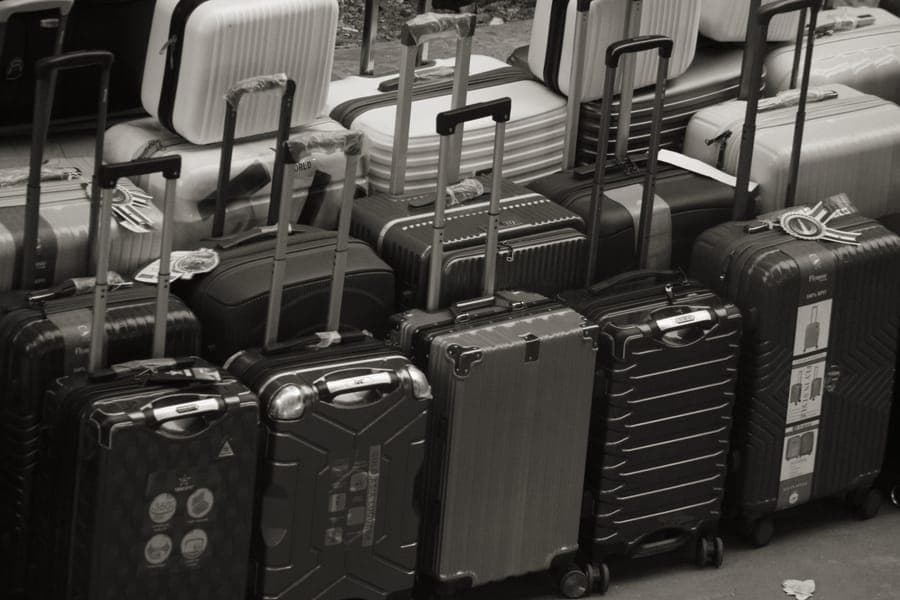 Samsonite Winfield 3 DLX Hardside Checked Spinner A rigid shell that protects what is inside and locks, for a bag that leaves your hands. | The main checked bag | |
| 2 |  Travelpro Maxlite 5 Expandable Checked Spinner Very light for a checked bag, which is allowance you get to spend on contents. | Cruises you fly to | |
| 3 |  Patagonia Black Hole Duffel 70L Frameless and coated, so it folds away instead of occupying the cabin. | Formal wear and overflow | |
| 4 | 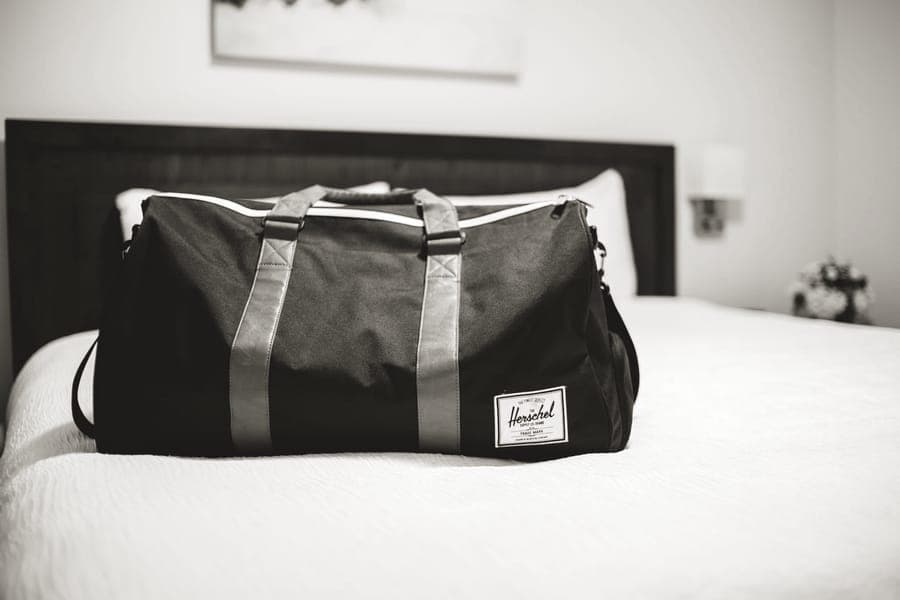 Narwey Foldable Travel Duffel Bag Folds to nothing on the way out, carries what you bought on the way back. | Port shopping and the flight back |
The one for a week aboard with formal nights in it
Samsonite Winfield 3 DLX Hardside Checked Spinner
Cruises where luggage is handed over at the terminal and travels through a handling chain you do not see. A polycarbonate shell does not transmit a knock to what is inside, which matters for bottles, gifts and anything pressed. The integrated lock is worth more here than on a flight, because the bag sits in a corridor before a steward delivers it.
The specs that decide it
- Shell: Polycarbonate - rigid, water-resistant, does not transmit impact inside
- Security: Integrated TSA-accepted combination lock
- Fly-cruise: Check the total against the 62 linear inch checked limit
- Aboard: Measure your cabin's under-bed clearance before you rely on it
Flaws but not dealbreakers
Heavy. Against a 50 lb airline limit the empty case is a meaningful fraction of what you are allowed, and polycarbonate cracks rather than flexing under a hard enough corner impact. A cracked shell cannot be repaired.
The one when a flight comes first and the weight limit is real
Travelpro Maxlite 5 Expandable Checked Spinner
Fly-cruise itineraries, where the airline's 50 lb limit is the binding rule and the ship's cabin is the second problem. Every pound the empty case does not weigh is a pound of clothes or a bottle of wine you can bring, and fabric compresses into an under-bed space a shell will not.
The specs that decide it
- Weight: Very light for the checked category - the reason it is here
- Size: Check the overall total against the 62 linear inch limit
- Expansion: Usable on a checked bag - but it counts toward the 62 inches
Flaws but not dealbreakers
Fabric checked bags get dirty on the first trip and stay that way, and they offer far less impact protection than a shell. If you are checking anything fragile, this is the wrong bag.
The one that vanishes once the closet is full
Patagonia Black Hole Duffel 70L
Couples sharing a cabin, and anyone carrying formal-night clothes that should not be crushed into a single case. A frameless duffel takes the shape of whatever space is left, handles a wet quayside, and folds down to a fraction of its size once you have unpacked - which is the whole argument in a cabin with no spare floor.
The specs that decide it
- Structure: Frameless - conforms to whatever space is available
- Fabric: Coated and weather-resistant
- Carry: Grab handles plus removable backpack straps
- Aboard: Folds flat for storage, unlike any hard case
Flaws but not dealbreakers
No wheels, so a fully loaded 70-liter duffel is a two-handed carry and genuinely heavy. There is also no internal structure at all - everything migrates to the bottom and finding one item means unpacking most of it.
The one you pack empty for the way home
Narwey Foldable Travel Duffel Bag
Anyone who buys things in port. A packable duffel costs almost no volume outbound and solves the return trip, where the problem is never the bag you brought but the things that did not fit back into it. On a fly-cruise it also works as the free personal item on the flight home.
The specs that decide it
- Clears: Soft-sided - compresses into any carrier's under-seat space
- Storage: Folds flat when empty
- Cost: The cheapest solution to the personal item allowance
- Second use: The bag you bring for what you buy on the trip
Flaws but not dealbreakers
Thin fabric, no structure, no padding. It will not survive being used as an everyday bag, and a full one is uncomfortable because the webbing handles dig into your hand.
The four picks compared
| Pick | Type | Stows after unpacking | Fly-cruise | Best for |
|---|---|---|---|---|
| Samsonite Winfield 3 DLX | Hardside checked spinner | Slides under the bed if clearance allows | Checked bag, 62 linear in | The main bag for a week or more |
| Travelpro Maxlite 5 Checked | Softside checked spinner | Compresses more than a shell | Checked bag, light empty | Keeping weight off the bag itself |
| Patagonia Black Hole Duffel 70L | Frameless duffel | Folds down to almost nothing | Checked bag, no wheels | Second bag and formal wear |
| Narwey Foldable Duffel | Packable duffel | Folds flat, weighs nothing | Personal item on the flight | What you buy in port |
The cabin decides the size, not a sizer
On a cruise your bags are taken at the terminal and delivered to the cabin door, usually some hours later. You do not carry them far, which removes the reason most people buy light. What replaces it is storage: an inside or balcony cabin has a closet, drawers, and the space under the bed, and that last one is where suitcases live for the week.
So the useful measurement is the height of your packed case, not its linear total. If your line publishes under-bed clearance for your cabin category, buy to it. If it does not, favour a bag whose depth is modest and whose shape is regular - a 29-inch case with a fat expansion panel is the one that ends up standing in the corner all week.
Check your line's own rules
Luggage allowances, piece limits and prohibited items are set by the cruise operator and differ between them - alcohol policies in particular. Read your line's published guidance before you pack, not after.
If you fly to the port, the airline rules win
A fly-cruise is two sets of rules stacked, and the stricter one governs. US carriers generally cap checked bags at 62 linear inches - length plus width plus height - and 50 lb in economy, with fees above that. The ship will not weigh your bag; the airline absolutely will.
- Pack to the airline limit, then check the bag against the cabin, not the other way around.
- Weigh it at home with a luggage scale. Fifty pounds is easier to hit than people think once formal wear and shoes are in.
- Keep one day of clothes, medication and anything valuable in your carry-on. Bags delayed on the inbound flight have to catch a ship, which does not wait.
- Allow a day between landing and sailing if the itinerary lets you. It is the single cheapest insurance against a delayed bag.
Checked bag size and weight limits has the published figures by carrier, and best checked luggage is the general shortlist if the cruise is only part of why you are buying.
Embarkation day is the one day you carry your own bag
Between handing your main bag over at the terminal and it arriving at your cabin, there is a gap of several hours. Everything you want in that window - swimwear, medication, documents, a change of clothes, chargers - has to be in a bag you keep with you.
That makes a packable duffel or a daypack genuinely useful rather than an accessory, and it is the same bag that becomes your shore-excursion bag for the rest of the week. Best personal item bags covers the options that also clear an airline's under-seat rule.
How we chose these picks
Every pick is already assessed on this site, re-ranked here on three cruise-specific questions: does it protect contents it is separated from, does it get out of the way after unpacking, and does it also survive the airline leg of a fly-cruise.
We do not state cruise-line allowances as our own figures, because they are the operator's to publish and they change - we point you at your line instead. We do not print prices; every buy link opens the current Amazon listing.
What we passed over
- Oversize 30-inch-plus cases. They exceed 62 linear inches on a flight and they do not fit under a cabin bed. Two problems, one bag.
- Garment bags as a main bag. Good for a suit, bad for a week - see best garment bags for travel if formal nights are the whole concern.
- Hard cases with fixed expansion panels. The depth you cannot remove is the depth that keeps the bag out from under the bed.
- Matching four-piece sets. You are storing all four in one small cabin.
Frequently asked questions
What size luggage is best for a cruise?
Is there a luggage weight limit on a cruise?
Should I take a hardside or softside suitcase on a cruise?
What do I need in my carry-on on embarkation day?
Do I need a second bag for a cruise?
Read next
- Best checked luggage
- Checked bag size and weight limits
- Best rolling duffel bags
- Best luggage scales
- Best personal item bags
- Best garment bags for travel
More in Luggage, or see every roundup and comparison on the site.